Stress Busters
What is stress
Stress: “The experience of negative events or the perceptions of distress and negative affect that are associated with the inability to cope with them” Cohen et al. 2001.
Tranquility: a peaceful calm serene state without worry.
How to get rid of stress.
What is stressful or tranquil depends on the person. Like your belly button bacteria, your stress is totally unique to you (Hulcr et al. 2012). I would consider giving an unscheduled biochemistry lecture to a room of 100 people calming and somewhat invigorating; you may feel very differently.
Sometimes the best medicine to decrease stress is fake medicine
Psychedelic placebos can cause tripping
Eleven ways to decrease stress
- Get dirty (in a clean way) to decrease stress
- Hit up Mother Nature
- Move more
- Learn to take control of your life
- Connect with others
- Create art
- Make some music
- Naptime
- Get good food
- Magnesium is calming and reduces stress
- Vitamin D reduces anxiety and depression
- How vitamin D kicks the blues and makes you happy
- Challenge yourself to achieve peace
- Make a plan
Fun Fact: People can trip out with psychedelic placebos
Context and expectations play a role in the effect of placebos (and drugs) on people. In one interesting study people were told they were participating in a study looking at the effects of drugs on creativity. They spent 4 hours in a room design to resembles a psychedelic party, complete with trippy paintings, colored lights, and even a DJ. There were white coated scientists and even several trained actors who mimed the effects of psychedelic drug during the study.
All of the people were given a placebo (and told it was a a drug resembling psilocybin); 61% reported some effect from the placebo including moving pictures, feeling heavier, or feeling waves of effects (Olson et al. 2020). Having the expectation that something will happen often enhances the placebo.
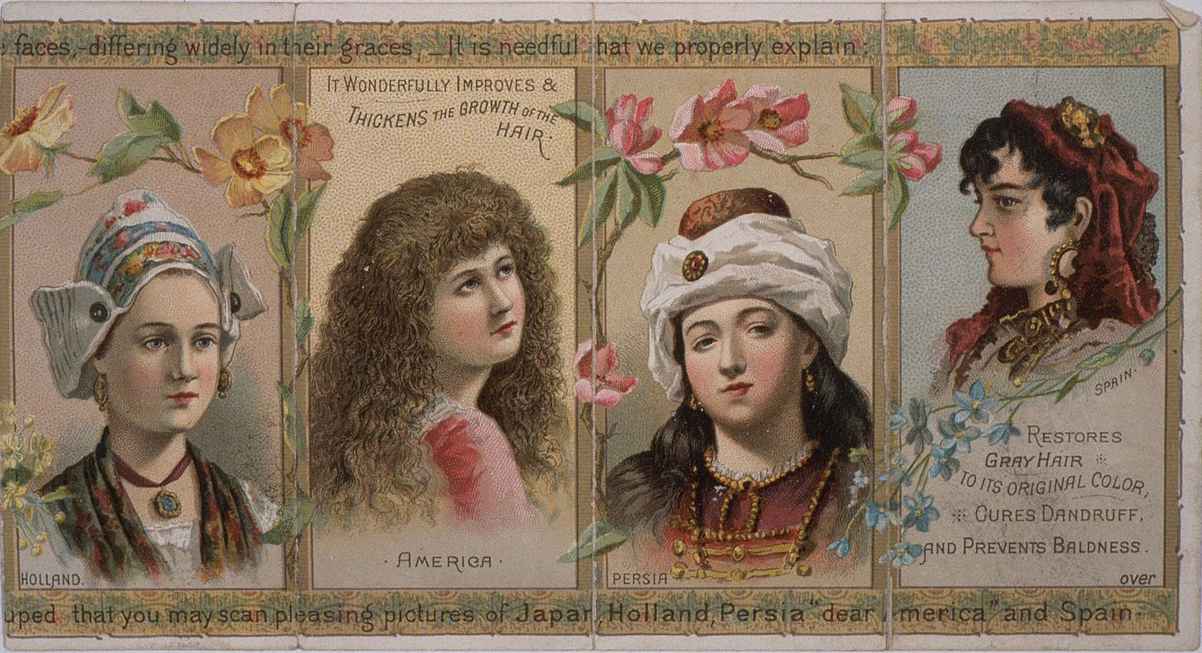
Patent medicine label for unnamed women's hair tonic which claims that it "restores gray hair..., cures dandruff and prevents baldness" 1830.
Blue Box of Science:
Sometimes the best medicine to decrease stress is fake medicine
Fight fire with fire. Non-deceptive placebos increase wellbeing by reducing stress, anxiety, and depression; including things like the emotional distress caused by living in a pandemic (Guevarra et al. 2024). Best of all, non-deceptive placebos work even when you know they are fake.
What is a non-deceptive placebo? It is a treatment that the patient (YOU) knows is inert/nonfunctional. It could be a pill, a saline nasal spray, a patch or anything else.
Researchers use non-deceptive placebos by being totally transparent. They let participants in the study know what placebos are, explain the science behind how placebos work, and show how placebos can have beneficial effects even if people know they are taking them.
How do non-deceptive placebo work? If you think something will reduce your pain your body makes it happen by activating special pain relief pathways.
Mice who anticipate getting pain relief activate a novel pain control pathway. Basically, neurons are activated in the cingulate cortex and move through the pons region of the brainstem, to ultimately engage the cerebellum (Chen et al. 2024).
Eleven techniques to decrease stress
1) Playing in the dirt makes you happy.
No really, this is not a joke. Bacteria found in soil can help you feel less anxious and stressed. Skin contact with one soil microorganism, Mycobacterium vaccae, reduces feelings of stress and anxiety; prevents allergic airway inflammation in asthma; modulates the immune system; seems to help with inflammatory bowel disorders; could help with PTSD; and initiates anti-inflammatory responses in the brain (discussion in Smith et al. 2019).
Why do microorganism influence our immune system? One theory is that human's innate immune system has evolved to coexist with ancestral microorganisms. When those microbes are missing, the immune system develops dysfunctional immune responses and starts reacting to harmless substances.
So go out there and bury your hands in the dirt. Take up gardening, help in a community garden, or buy some houseplants.
2) Spend 2 hours in nature a week to increase tranquility.
You don't have to hike. Even sitting around in nature reduces stress and anxiety. Nature is calming and helps healing.
No nature nearby? Thriving green plants in your home can increase wellbeing (Lui et al. 2022). Handling indoor plants can dampen sympathetic nervous system activity and lower diastolic blood pressure.
Young men (average age 24 years) felt more comfortable, soothed, and natural after transplanting a plant than while doing a computer task (Lee et al. 2015). I say thriving plants, because dead and dying plants are not going to improve your mental health or sense of tranquility.
Try easy to care for plants: pothos vines, Monstera, snake plants, peperomia, dracaena, zz plant, heartleaf philodendron, peace lily, purple spiderwort, aloe vera plant, some cacti are fairly easy to grow. Black thumb? Even looking at pictures or videos of nature will reduce stress (Jimenez et al. 2021).
3) Activity calms nerves.
Regular physical activity increases stress resilience. Chronic stress impairs biofeedback loops, while physical activity can help repair them. Burning energy by being physically active calms down your central nervous system (CNS) by muting the inflammation response, removing damaged cell parts, fine tuning cellular bioenergetics, and increasing stress robustness (Nowacka-Chmielewska et al. 2022).
Korean adults (2813 adults aged 19-64 and 627 older adults aged over 65) who exercised more reported being less stressed. There was a dose-response relationship between physical activity and stress. People who had higher perceived psychological stress had less physical activity and exercise (Yoon et al. 2023). Can't exercise? You can recover from exercise intolerance or PEM.
4) Take control of your life and feelings to decrease stress.
Feeling like you are out of control and powerless causes stress. Feeling in control increases your sense of tranquility and calm. Often feeling out of control leads to procrastination.
Previous thinking on this topic believed that feeling helpless leads to learned helplessness. This is a psychological state where a person or animal is conditioned after enduring unpleasant events or abuse to believe they have no power or control over a situation. As a result, they stop trying to change their situation, even when they could change it. Signs of learned helplessness include: being passive, giving up quickly, not trying in the first place, and being frustrated.
Current thinking on this topic is that people are not necessarily learning to be helpless; they are failing to learn control (Maier et al. 2016). Maier argues that being passive or helpless is the default and unlearned response to exposure to adverse events. Passivity can be overcome by learning control.
How to learn control
Take control of your life by taking action and making choices and decisions before someone else makes them for you. Not choosing is a choice that often limits your options. Don't be passive. Take action. Don't wait for inspiration or motivation to strike. Just do it!
Take control of your life by taking ownership of your problems and your solutions. You always have another option; even if it is a crappy course of action. Taking ownership of your choice allows you to feel in charge.
Take control of your emotions. Observe your feelings and try to understand where they are coming from. Are you envious of someone who just published a best selling novel? Maybe you want to write.
Two things that may help: 1) YOU control your next thought and 2) YOU are not your thoughts - you can think something and let it go.
Take control of your responses. Don't let other people dictate how you feel and react. You can't change other people but you can change your reaction to them. Be assertive but not aggressive, angry or defensive. Taking control of yourself will increase your feelings of calmness.
5) Connect with other people in a fun and/or meaningful way.
Having a community of people you can rely on can reduce stress and increase wellbeing. People who have social support are more likely to maintain a healthy body weight, improve their chances of cancer survival, control their blood sugars, and decrease their chance of death from heart disease (discussion in Martino et al. 2015). People with stronger social connections had a 50% increased chance of survival when compared to similar friendless people (Holt-Lunstad et al. 2010).
Feeling like you are connected to others can also improve mental health. Social support can decrease the symptoms of depression, reduces the symptoms of posttraumatic stress disorder (PTSD), and improve general mental health.
Even a short 1-5 minute chat with your favorite cashier or a neighbor can make a difference. Don't have any friends? Volunteer at a nursing home, as a Big Brother or Sister, as a sports coach for local adult or children leagues, or a animal shelter. There are lonely children and seniors out there who would love a friend.
Being generous with yourself and others increases feelings of serenity and tranquility.
6) Creating art increases happiness while decreasing stress.
Making art feels good. Doodling, coloring and drawing activate the reward system in the brain through the prefrontal cortex (Kaimal et al. 2017). The prefrontal cortex is called the personality center; it regulates abstract concepts, thoughts, feelings and actions. This area is part of our emotional and motivational systems and involved with the brain's reward circuit.
Who cares if you aren't talented. Art can be a powerful force for change. Make your environment beautiful (or ugly we don't judge here). Do frivolous art or serious activist art; whatever strikes you. You can also train your brain to be more creative if you want to do so.
Darra G (32 year old): "I love to paint giant colorful pictures of tropical fish in weird situations! I get this big rush and feeling of accomplishment when I finish one."
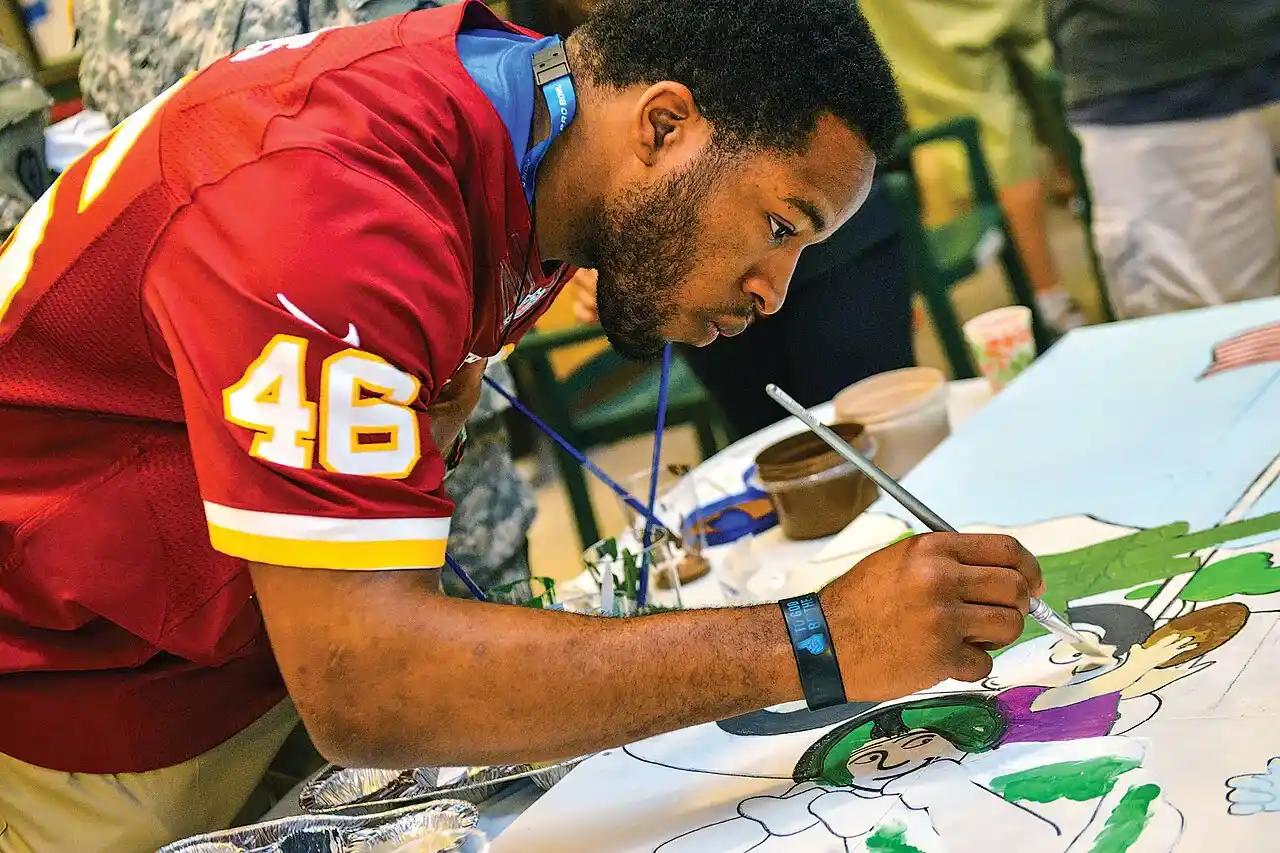
Alfred Morris, professional football player, adds to the Wounded Warriors mural in 2014. Giving back to the community is a great way to supporting others and help your sense of wellbeing.
7) Music therapy increases wellbeing.
When you turn off the news turn on the music. Music intervention reduces anxiety, depression, pain and fatigue while increasing hope and quality of life in people with cancer. Furthermore, music may have a small beneficial effect on heart rate, respiratory rate and blood pressure (Bradt et al. 2021). You can heal yourself with music.
Ben Y. (20 something man): "I use music as a tool to help tame my anxiety! Some songs and artists will immediately calm me down when I am having generalized anxiety or a panic attack. I also use music to motivate me to take action."
8) Taking more naps to decrease stress.
Sleep at night can reduce how much stress you think you are experiencing (perceived stress), reduce associated cognitive disruptions (like symptoms for depression or PTSD) and help you feel less negative after experiencing stress (Wofford et al. 2022). Sleep can make you feel more serene and positive.
Taking a brief nap (less than an hour) can reduce cortisol levels; help regulate emotions; make you feel less negative; improve your logical reasoning; shorten reaction time; and booster long-term and working memory (discussion in Wofford et al. 2022). If you feel overwhelmed try taking a nap.
Sleep is involved in emotional processing. It helps prepare you for your next-day social and emotional functioning (discussion Goldstein and Walker 2014).
9) Eat better, stay hydrated and take magnesium and vitamin D to stay calm.
Eating crappy can make you feel crappy. It is pretty amazing that your body can survive on fast food and sodas in the first place.
Fatigue and lack of motivation are often symptoms of dehydration. Dehydration decreases physical strength and endurance in athletes (discussion in Barley et al. 2018).
Whole body inflammation may be triggered by stress. Psychological stress can trigger inflammatory activity in your brain and body (discussion in Maydych 2019). Eating less inflammatory foods may help calm down inflammation and cause your mood to soar.
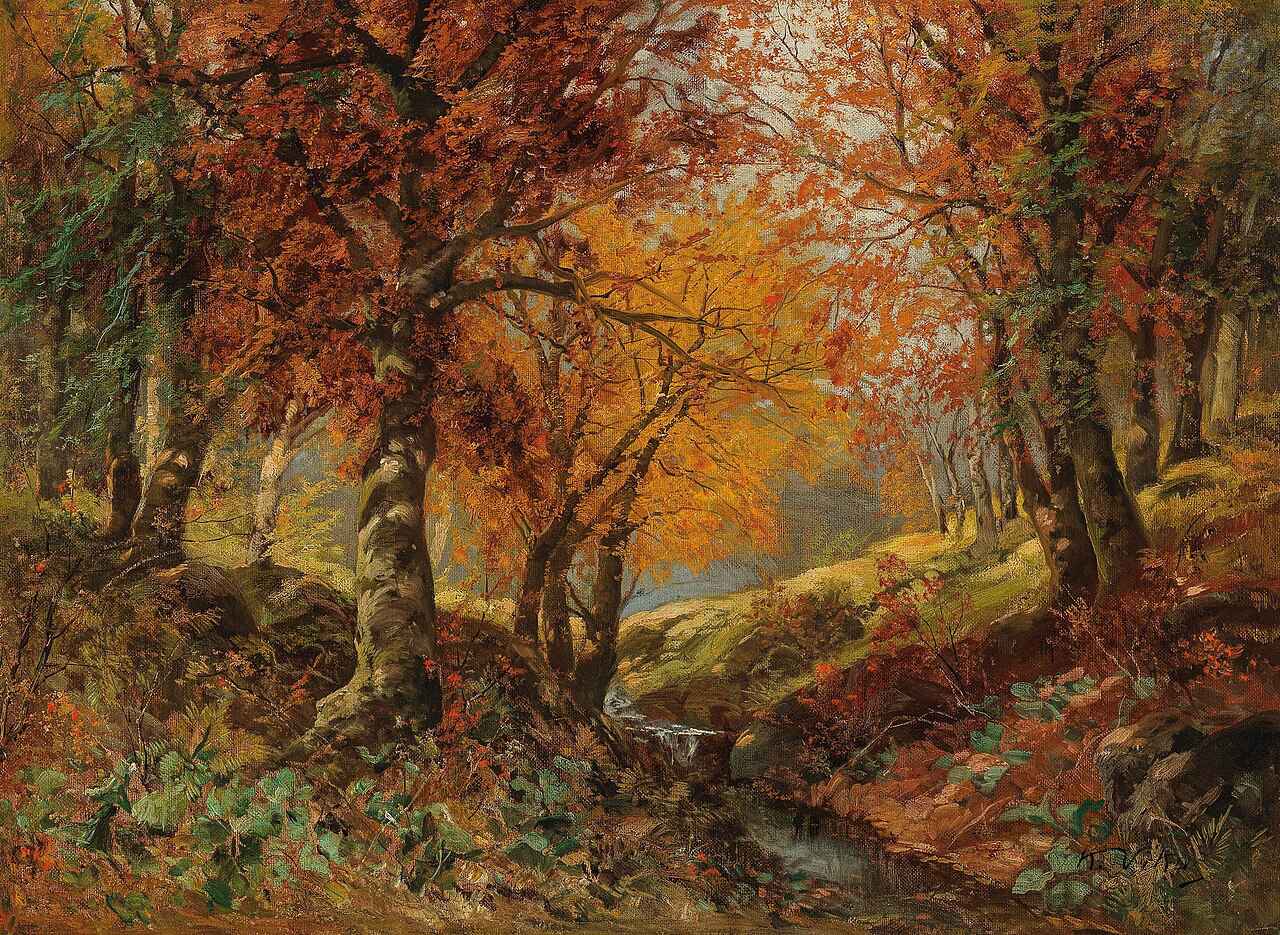
Karl Vikas (1875-1934) A forest glade in autumn oil on canvas.
Magnesium reduces hostility and stress.
There was an inverse dose-response relationship between the total magnesium intake and feelings of hostility among young adults. The more magnesium people ate the less hostile they were. This was independent of socio-demographic and major lifestyle factors, depression status, and supplement use. Animal studies show low magnesium levels lead to aggressive behavior (discussion Lyu et al. 2021).
Magnesium is found in dark chocolate, nuts, avocados, seeds, legumes, bananas, fatty fish and leafy greens.
Vitamin D reduces anxiety and depression.
There is a reason vitamin D is called the happy vitamin. Low levels of vitamin D are associated with anxiety and depression symptoms; bone disorders; and low immunity (Akpinar and Karadag 2022). Data from NHANES showed that vitamin D deficiency is extremely prevalent in the US; especially for Black people, women, young adults 20-29 years old, and people in the winter. Vitamin D insufficiency was 40.9%-34.5% (discussion in Cui et al. 2022).
Getting enough vitamin D depends mainly on exposure to sunlight. Your body's skin makes vitamin D by converting 7-dehydrocholesterol to pre-vitamin D when exposed to ultraviolet B rays (especially the light spectral range of 290-320 nm). This light spectrum is not visible to humans. Pre-vitamin D needs to be processed through the liver or kidneys to be activated by an enzyme (CYP2R1) to form the active form of vitamin D, 25-hydroxylated vitamin D (25(OH)D). An additional enzyme, CYP27B1, forms the hormonally active form of vitamin D, 1,25-hydroxylated vitamin D (1,25(OH)D).
You do not get enough sunlight in the winter to make vitamin D! If you can't get a tan, you can't make vitamin D. Vitamin D is found in fatty fish, mushrooms, eggs, liver and fortified foods (milk, cheese, yogurt, orange juice, some cereals). You may choose to take a supplement especially if you are living in a northern climate.
Blue Box of Science:
How vitamin D kicks out the blues to make you happy.
Vitamin D has anti-inflammatory, antioxidant, pro-neurogenic, and neuromodulatory properties which may help combat depression (discussion Kouba et al. 2022). It is a vitamin and a steroid hormone that modulates around 3% of human genes through vitamin D receptors (VDR) (Bouillon et al 2008).
Brain inflammation is prompted by intimate chats between microglia, peripheral immune cells, gut microbiota, and immune cells (Kouba et al. 2022). All of these factors can be influenced by vitamin D levels. Believe it or not, inflammation is not designed to harm you initially; low levels of brain inflammation (neuroinflammation) are intended to protect the brain.
Neuroinflammation in moderation is a healing response. It can help protect the brain against injury and pathogens in part through immune cell activation. Neuroinflammation prompts neurotrophic factors and growth factors; removal of Beta-amyloid deposits and damaged myelin; clearance of factors that inhibit repair; and modulation of iron and lactate cycles. This facilitates myelin repair and recoating of denuded nerves; neurogenesis (new neurons); and axon regeneration (Yong et al. 2019).
However, when brain inflammation becomes chronic or excessive it can harm the brain. Chronic inflammation contributes to brain atrophy and neuronal loss that is associated with depression and anxiety (Duman 2009).
Vitamin D can modulate brain inflammation to allow repair. It shuts down excess inflammation, modulates gut microbiotia, and prevents accumulation of excess reactive oxygenated species (ROS) (discussion Kouba et al. 2022).
If you live anywhere you cannot get a tan part of the year, you need vitamin D. If you wear sunscreen you need vitamin D. No tan = no vitamin D from sun. If you are a dark skinned person you need MORE vitamin D than a light skinned person since your skin does not make as much due to protective melatonin.
10) Challenge yourself with new goals to reduce stress.
Stress free tranquility isn't achieved by doing nothing! People are made to strive for goals.
Start working towards the person you want to be by giving yourself goals and challenges. You are never too old to learn something new or to go on an adventure.
11) Make an action plan to help you achieve your goals and feel less stressed.
Practice problem solving stress relief (also called problem-focused coping).
You may be stressed or anxious for a good reason. Don't get mired down in worry when you actually need to take action. Taking charge will help reduce anxiety.
By Susan Fluegel PHD Nutritional Biochemistry
*Names and some minor identifying details in all stories in this website are changed to protect people's privacy.
This information in this website is for informational purposes only and does not constitute medical advice, diagnosis, or treatment.
References:
Akpinar S, Karadag MG. Is Vitamin D Important in Anxiety or Depression? What Is the Truth? Curr Nutr Rep. 2022 Dec;11(4):675-681. doi: 10.1007/s13668-022-00441-0. Full article.
Ameden WC, Tricomi E, Heintzelman SJ. The role of planfulness for well-being, stress, and goal disruption during COVID-19. Front Psychol. 2024 Feb 8;15:1224451. doi: 10.3389/fpsyg.2024.1224451. Full article.
Barley OR, Chapman DW, Blazevich AJ, Abbiss CR. Acute Dehydration Impairs Endurance Without Modulating Neuromuscular Function. Front Physiol. 2018 Nov 2;9:1562. doi: 10.3389/fphys.2018.01562. Full article.
Bouillon R, Carmeliet G, Verlinden L, van Etten E, Verstuyf A, Luderer HF, Lieben L, Mathieu C, Demay M. Vitamin D and human health: lessons from vitamin D receptor null mice. Endocr Rev. 2008 Oct;29(6):726-76. doi: 10.1210/er.2008-0004. Full article.
Bradt J, Dileo C, Myers-Coffman K, Biondo J. Music interventions for improving psychological and physical outcomes in people with cancer. Cochrane Database Syst Rev. 2021 Oct 12;10(10):CD006911. doi: 10.1002/14651858.CD006911.pub4. Full article.
Chen C, Niehaus JK, Dinc F, Huang KL, Barnette AL, Tassou A, Shuster SA, Wang L, Lemire A, Menon V, Ritola K, Hantman AW, Zeng H, Schnitzer MJ, Scherrer G. Neural circuit basis of placebo pain relief. Nature. 2024 Aug;632(8027):1092-1100. doi: 10.1038/s41586-024-07816-z. Full article.
Cui A, Xiao P, Ma Y, Fan Z, Zhou F, Zheng J, Zhang L. Prevalence, trend, and predictor analyses of vitamin D deficiency in the US population, 2001-2018. Front Nutr. 2022 Oct 3;9:965376. doi: 10.3389/fnut.2022.965376. Full article.
Duman RS. Neuronal damage and protection in the pathophysiology and treatment of psychiatric illness: stress and depression. Dialogues Clin Neurosci. 2009;11(3):239-55. doi: 10.31887/DCNS.2009.11.3/rsduman. Full article.
Goldstein AN, Walker MP. The role of sleep in emotional brain function. Annu Rev Clin Psychol. 2014;10:679-708. doi: 10.1146/annurev-clinpsy-032813-153716. Full article.
Guevarra DA, Webster CT, Moros JN, Kross E, Moser JS. Remotely administered non-deceptive placebos reduce COVID-related stress, anxiety, and depression. Appl Psychol Health Well Being. 2024 Nov;16(4):2204-2224. doi: 10.1111/aphw.12583. Epub 2024 Aug 14. Full article.
Hannibal KE, Bishop MD. Chronic stress, cortisol dysfunction, and pain: a psychoneuroendocrine rationale for stress management in pain rehabilitation. Phys Ther. 2014 Dec;94(12):1816-25. doi: 10.2522/ptj.20130597. Full article.
Holt-Lunstad J, Smith TB, Layton JB. Social relationships and mortality risk: a meta-analytic review. PLoS Med. 2010 Jul 27;7(7):e1000316. doi: 10.1371/journal.pmed.1000316. Full article.
Hulcr J, Latimer AM, Henley JB, Rountree NR, Fierer N, Lucky A, Lowman MD, Dunn RR. A jungle in there: bacteria in belly buttons are highly diverse, but predictable. PLoS One. 2012;7(11):e47712. doi: 10.1371/journal.pone.0047712. Full article.
Jimenez MP, DeVille NV, Elliott EG, Schiff JE, Wilt GE, Hart JE, James P. Associations between Nature Exposure and Health: A Review of the Evidence. Int J Environ Res Public Health. 2021 Apr 30;18(9):4790. doi: 10.3390/ijerph18094790. Full article.
Kaimal, G., Ayaz, H., Herres, J., Dieterich-Hartwell, R., Makwana, B., Kaiser, D. H., & Nasser, J. A. (2017). Functional near-infrared spectroscopy assessment of reward perception based on visual self-expression: Coloring, doodling, and free drawing. The Arts in Psychotherapy, 55, 85-92. https://doi.org/10.1016/j.aip.2017.05.004 Full article.
King JL, Kaimal G. Approaches to Research in Art Therapy Using Imaging Technologies. Front Hum Neurosci. 2019 May 17;13:159. doi: 10.3389/fnhum.2019.00159. Full article.
Kouba BR, Camargo A, Gil-Mohapel J, Rodrigues ALS. Molecular Basis Underlying the Therapeutic Potential of Vitamin D for the Treatment of Depression and Anxiety. Int J Mol Sci. 2022 Jun 25;23(13):7077. doi: 10.3390/ijms23137077. Full article.
Lee MS, Lee J, Park BJ, Miyazaki Y. Interaction with indoor plants may reduce psychological and physiological stress by suppressing autonomic nervous system activity in young adults: a randomized crossover study. J Physiol Anthropol. 2015 Apr 28;34(1):21. doi: 10.1186/s40101-015-0060-8. Full article.
Liu T, He L, Yu W, Freudenreich T, Lin X. Effect of Green Plants on Individuals' Mental Stress during the COVID-19 Pandemic: A Preliminary Study. Int J Environ Res Public Health. 2022 Oct 19;19(20):13541. doi: 10.3390/ijerph192013541. Full article.
Ludwig RM, Srivastava S, Berkman ET. Planfulness: A Process-Focused Construct of Individual Differences in Goal Achievement. Collabra: Psychology 1 January 2018; 4 (1): 28. doi: https://doi.org/10.1525/collabra.136 Full article.
Lyu C, Tsinovoi CL, Xun P, Song Y, Pu Y, Rosanoff A, Iribarren C, Schreiner PJ, Shikany JM, Jacobs DR, Kahe K. Magnesium intake was inversely associated with hostility among American young adults. Nutr Res. 2021 May;89:35-44. doi: 10.1016/j.nutres.2021.01.001. Full article.
Maier SF, Seligman ME. Learned helplessness at fifty: Insights from neuroscience. Psychol Rev. 2016 Jul;123(4):349-67. doi: 10.1037/rev0000033. Full article.
Martino J, Pegg J, Frates EP. The Connection Prescription: Using the Power of Social Interactions and the Deep Desire for Connectedness to Empower Health and Wellness. Am J Lifestyle Med. 2015 Oct 7;11(6):466-475. doi: 10.1177/1559827615608788. Full article.
Maydych V. The Interplay Between Stress, Inflammation, and Emotional Attention: Relevance for Depression. Front Neurosci. 2019 Apr 24;13:384. doi: 10.3389/fnins.2019.00384. Full article.
Nowacka-Chmielewska M, Grabowska K, Grabowski M, Meybohm P, Burek M, Malecki A. Running from Stress: Neurobiological Mechanisms of Exercise-Induced Stress Resilience. Int J Mol Sci. 2022 Nov 1;23(21):13348. doi: 10.3390/ijms232113348. Full article.
Olson JA, Suissa-Rocheleau L, Lifshitz M, Raz A, Veissiere SPL. Tripping on nothing: placebo psychedelics and contextual factors. Psychopharmacology (Berl). 2020 May;237(5):1371-1382. doi: 10.1007/s00213-020-05464-5. Summary.
Smith DG, Martinelli R, Besra GS, Illarionov PA, Szatmari I, Brazda P, Allen MA, Xu W, Wang X, Nagy L, Dowell RD, Rook GAW, Rosa Brunet L, Lowry CA. Identification and characterization of a novel anti-inflammatory lipid isolated from Mycobacterium vaccae, a soil-derived bacterium with immunoregulatory and stress resilience properties. Psychopharmacology (Berl). 2019 May;236(5):1653-1670. doi: 10.1007/s00213-019-05253-9. Full article.
Sugano A, Nomura T. Influence of water exercise and land stretching on salivary cortisol concentrations and anxiety in chronic low back pain patients. J Physiol Anthropol Appl Human Sci. 2000 Jul;19(4):175-80. doi: 10.2114/jpa.19.175. Full article.
Wofford N, Ceballos N, Elkins G, Westerberg CE. A brief nap during an acute stressor improves negative affect. J Sleep Res. 2022 Dec;31(6):e13701. doi: 10.1111/jsr.13701. Full article.
Yong HYF, Rawji KS, Ghorbani S, Xue M, Yong VW. The benefits of neuroinflammation for the repair of the injured central nervous system. Cell Mol Immunol. 2019 Jun;16(6):540-546. doi: 10.1038/s41423-019-0223-3. Full article
Yoon ES, So WY, Jang S. Association between Perceived Psychological Stress and Exercise Behaviors: A Cross-Sectional Study Using the Survey of National Physical Fitness. Life (Basel). 2023 Oct 14;13(10):2059. doi: 10.3390/life13102059. Full article.