Brain Boosters Part 1
ELEVEN TOOLS TO HEAL YOUR BRAIN
Open this page in case of any type of brain injury, mental health issues, or cognitive impairment.
Mental problems ARE caused by physical problems; don't let anyone tell you otherwise. Don't worry if you don't know exactly what is wrong with your brain. Yes, it is frustrating not to know exactly what is happening. However, you don't need to know why you are having problems to start helping yourself today.
How do you know if your brain needs help? Research shows that brain fog, depression, PTSD, dementia, anger control issues, attention deficit disorders, bipolar disorders, chronic stress, and similar issues are due to problems with body and brain metabolism, energy availability, communication between the brain and body, and/or brain inflammation. To make it worse, having some of these disorders can lead to more brain and body inflammation - which sets off a negative feedback loop.
Although many people think of the brain as separate from the body, your brain is an organ like the heart or liver. It can be damaged, it can get inflamed, and it can be diseased. Your brain becomes impaired when other parts of your body are inflamed. An impaired brain can lead to impaired thoughts, impaired thinking, and impaired emotional control. Like your body, your brain can be healed with exercise, training, and nutrition.
It is not in your imagination. You CAN HEAL your brain one small step at a time (or take a huge leap - it is up to you).
Eleven Tools to Boost Your Brain
Click on each heading or keep scrolling for more detailed information.
Part 1 includes:
2) Exercise your body for a healthier mind
Brain healing Part 2:
- 5) Sleep
- 6) Reduce stress
- 7) Spend time in nature
- 8) Increase social networks
- 9) Meditate or practice mindfulness
- 10) Use light to heal (sunlight and light therapy)
- 11) Turn off negative news

1) Eat brain healthy foods
Eat whole real foods like apples and avoid highly processed foods such as apple shaped and flavor infused sugar encrusted puffed cereal. Choose healthy foods that reduce brain inflammation and keep your thinking sharp.
Bartolomé Esteban Murillo (1617-1682) (after) - Two Urchins Eating Melon and Grapes oil on canvas.
 (after) - Two Urchins Eating Melon and Grapes_55_11zon.webp)
Want a sharp brain? Limit junk food and sugar filled drinks
So called junk foods slow down your thinking skills (scientists like to call junk foods highly processed foods so they don't food shame). Natalia Goncalves reported on processed food consumption and brain health (9 year study with 8,160 women and men) at the 2022 Alzheimer’s Association International Conference. People who ate more than 20% of their daily calories from ultra-processed foods had 28% faster rate of decline in thinking skills and a 25% faster decrease in executive function than people who ate less than 20% of their daily calories from ultra-processed foods. For healthier food choices check out super foods that reduce inflammation.
Drinking soda pop can shrink your brain! Sugary drinks, including soda and fruit juices, shrink your brain and mess with your episodic memory. Episodic memory is your memory of everyday events; like time, places, emotion and actions. Consuming more than one sugary beverage a day can decrease your brain volume and reduce performance on tests of episodic memory. Drinking fruit juice daily was also associated with lower total brain volume, decreased hippocampal volume, and poorer episodic memory (Pase et al. 2017). If you want something natural and sweet, skip the juice and eat a whole fruit instead. Don't drink your sugar.
If you are depressed cut the sweets (especially if you are a guy). Sugar can make mental health worse in men. Consuming more sugar in sweet foods and drinks is also associated with a higher incidence of mental disorders and depression in men. Men who ate the highest amount of sugar had a 23% increased incidence of common mental disorders over 5 years (Knuppel et al. 2017).
2) Exercise helps your brain
You know I'm going to say this repetitively in this website: people who exercise have better mental health and less brain inflammation. Physical activity actually changes the activity of the brain's immune cells; this lowers inflammation in the brain (Casaletto et al. 2022). Exercise also promotes hippocampus growth in the brain while improving your memory.
The hippocampus is responsible for learning, memory, and learning/changing depending on the environment. This brain structure is highly neuroplastic; this means it can adapt and reorganize its structure and/or function on a cellular and network level based on internal or external stimuli and cues (Bartsch and Wulff 2015, Grey and Barnes 2015).
So what does this mean? If your hippocampus was a house it could reorganized based on what the homeowners need each day. Have a guest? Poof, it grows an extra bedroom. Need to cook three turkeys and eight pies for Thanksgiving? Suddenly your kitchen looks like it is straight from Gordon Ramsay's pad. Want to take up woodworking? You now have the woodshop from PBS's This Old House and a collection of rare wood to use.
Exercise increases or maintains hippocampus size. Older adults (120 women and men, 60-70 years old) attended either a 3 day-a-week 40 minute moderately intense aerobics walking group or a mild stretching and toning group. Those in the aerobics walking group increased their hippocampus size by 2% in a year while those in the stretching and toning group had around a 1.4% decrease in hippocampus volume (Erickson et al. 2011). Other research suggests that aerobic exercise slows down hippocampus shrinkage in humans due to age (Firth et al. 2018). When challenged, the hippocampus can create 700 to 1,500 new neurons each day (Spalding et al. 2013).
Exercise reduces depression by reshaping brain structure. It activates related brain area function while promoting behavior adaptive changes. Exercise also maintain hippocampal and white matter volume. All of these exercise induced changes improve brain neuroprocessing and delay cognitive degradation in people who are depressed (see discussion Zhao et al. 2020).
One hour of exercise per week is all it takes to reduce depression by 12% (study had 33,908 women and men, average age 45 years) (Harvey et al. 2018). Yes, getting up and moving for less than 10 minutes a day can reduce your chance of depression.
Moving your body can reduce brain and body inflammation.

3) Train your brain: use mental stimulation along with touch, light and sound.
Keep your brain active by doing activities that activate, enrich or stimulate your mind and senses (remember they are interconnected and need to work well together). You may need to train your senses to work with your brain.
Multisensory brain stimulation
Sensory and Multisensory brain stimulation include music therapy, rhythmic (either visual or acoustic) stimulation, light therapy, multisensory stimulation - including touch, aromatherapy, and virtual reality assisted therapy. These types of sensory activities can improve memory, enhance cognitive abilities, increase brain flexibility, regulate brain blood flow and improve behavior in people with Alzheimer's disease (Yang et al. 2021). Although multisensory brain stimulation has mostly been studied in people with dementia; it could help with many brain dysfunctions.
Flickering light or sounds at specific frequencies can influence brainwaves and may help prevent Alzheimer's disease (AD) related cognitive decline. High frequency gamma light and/or sound rhythms using oscillations (bet3een 30-40 Hz) play a key role in sensory and high-order cognitive functions. Sound waves were broadcast using speakers to provide complete body exposure.
Chan et al. 2022 reported that people with mild AD dementia (16 people) exposed to one hour of sound and light daily therapy for 3 months showed cognitive improvement compared to similar people receiving a placebo treatment.
Try multisensory brain stimulation for yourself:
Look up (on YouTube or other websites) and play 40 Hz sound, light therapy 30-40 Hz, OR 40 Hz Binaural Beats videos to see how you feel. Warning: not all headphones or speakers will play 40 Hz. A full discussion of different sound and light therapy is in Manippa et al. 2022.
If you are prone to seizures or are epileptic, do not try videos with flickering lights unless under medical supervision. They can provoke seizures or migraines. Some people also found their tinnitus flares up with 30-40 Hz sound.
Brain training combined with exercise helps improve TBI symptoms
Brain training that included exercise and virtual reality games helped people with traumatic brain injuries (TMI). A small group of veterans with TBI and alcohol abuse disorder participated in a 8 week randomized study study that included: 1) First, four weeks of EITHER exercise on a stationary recumbent bicycle or virtual reality (VR) games 2) Second, four weeks of exercise on a stationary recumbent bicycle while playing a VR game (Pennington et al. 2022).
✽ People who exercised for the first four weeks had less craving for alcohol and drank less. They had significant improvements in cognitive inhibition and cognitive flexibility. Cognitive inhibition helps with memory retention and focus. It allows people to suppress or block irrelevant information and processes in working memory. Cognitive flexibility is when a person can change the way they think and behave due to new or changing circumstances or environment.
✽ People who played virtual reality games for four weeks improved cognitive flexibility and visuospatial immediate recall (short term memory related to vision). The VR games without exercise were competitive racing games.
✽ People who exercised and played games for the last four weeks had significant improvement in inhibition-switching and visual scanning (Pennington et al. 2022). Inhibition-switching is switching back and fourth between two tasks or doing two things at the same time. One example is a bilingual person switching between two languages. The VR game attached to the exercise bike was a path-based adventure game that involved photographing animals, capturing poachers and obtaining rewards.
People with diabetes who used a novel smartphone story telling type game had an increase in physical activity (Höchsmann et al. 2020). The game incorporated individualized exercises that promoted strength, endurance, balance, and flexibility. It integrated exercise tests, like a Six Minute Walk Test, into scoring and story telling. The phone was able to track the in-game activities by using accelerometer/pedometer, camera, and audio sensors.
Try low cost brain training with exercise for yourself
Play a game on your phone or tablet while riding a stationary bike or using other aerobic equipment like a elliptical or treadmill machine (or marching in place if you have no machine available). Most modern equipment even has a handy spot to put your phone while you exercise. Some aerobic machines even have games already installed.
If you use VR fitness make sure to do it in a safe area so you do not hurt yourself or buy a training machine designed for VR use. Injuries from VR are rising since people tend to bump into furniture or trip down stairs while using it.
There is a growing eSport movement using exergames (games that promote physical activity). For more on this trend check out Let the Body'n'Brain Games Begin: Toward Innovative Training Approaches in eSports Athletes.

Brain Training with vision therapy
If you, or your child, has a problem with reading, focus, or attention deficient disorders in school or work, you may benefit from vision therapy. Some autistic people also benefit. You will be tested to see if vision therapy can help.
I am a huge supporter of vision therapy. For 1.5 years during COVID I attended vision therapy to support a teenager undergoing the treatment and watched it totally change their life. They went from reading and communicating at a 2nd-3rd grade level to reading, writing and communicating at a high school level in two years. More importantly, the person themselves and their parents have expressed how much this therapy changed them.
Vision therapy is being explored as a viable tool to treat concussions, brain trauma and other TBI. More research needs to be done in this area.
Train your brain with vision therapy
Vision therapy is a viable tool to:
✽ Improve tracking and focusing; enhance ability to catch a ball or other object
✽ Enhance hand-eye coordination; improve poor balance
✽ Improve visual memory and processing speed
✽ Enhance vision clarity and sharpness
✽ Help with problems interpreting or processing visual information
✽ Reduce eye strain, headaches and blurred vision
✽ May help with communication

4) Reduce brain inflammation and regenerate your brain.
How to reduce brain inflammation:
➤ Follow an anti-inflammatory diet. The more inflammatory foods you eat, the greater your risk of brain inflammation and dementia.
Peoples' diets (1,059 women and men, average age 73 years) were rated according to their potential to cause inflammation in the body. The inflammatory potential of each diet was determined using a score that considers the associations of 45 food parameters (foods, nutrients, spices and bioactive components) with amounts of proinflammatory and anti-inflammatory cytokines in the blood; higher score values indicated a more proinflammatory diet. To check out the food parameters used in this study, look at Table 2 in Shivappa et al. 2014.
For each additional unit in the score, there was a 21% increase in the risk of dementia. People eating the diet with the highest inflammatory score were 3 times more likely to develop dementia (Charisis et al. 2021)!
Feed your brain with good foods. Spoiler: in general less processed and less sugary foods are less inflammatory.
➤ Control mast cell activation by reducing inflammation. Over-stimulated mast cells can make brain injuries and PTSD worse.
Mast cells are immune cells that regulate innate and adaptive immunity, regulate blood vessels and even detoxify venom. Mast cells may play a critical role in stress, traumatic brain injuries (TBI), post-traumatic stress disorder (PTSD), neuropsychiatric disorders, neuroinflammation, and neurodegeneration (Krystel-Whittemore et al. 2016, Kempuraj et al. 2017).
➤ Vitamin D stops mast cell activation.
Vitamin D, which is actually an endocrine hormone, influences local innate and adaptive immune responses. This reduces inflammation, regulates maturation of immune cells, decreases mast cell activation, reduces eosinophil production and decreases IgE synthesis. Vitamin D helps stabilize mast cells and reduce degranulation. It increases IL-10-generating regulatory T cells which help protect the skin from sun damage (discussion in Murdaca et al. 2022 and Cutolo et al. 2023).
Women may benefit more from vitamin D. Vitamin D coordinates with estrogen to influence autoimmune disorders. Estrogen helps vitamin D accumulate and increases vitamin D receptors. This means women have a stronger anti-inflammatory response to vitamin D supplementation than men (Dupuis et al. 2021).
Vitamin D can be made by your body if you get sun exposure in the summer. Ask yourself: am I getting tanner? If you can't get a tan from sun exposure your body is not making vitamin D. Nobody, not even a pasty pale person, makes vitamin D in the winter. If you wear sunscreen you are not making vitamin D either.
If you have darker skin and live in the north or don't go outside you NEED vitamin D supplementation. Black people and people with dark skin have the highest risk of vitamin D deficiency. You may even need to take vitamin D year round. Please protect yourself and look into supplements or vitamin D rich foods.
Vitamin D is found in vitamin D fortified milk and milk products, fatty fish, egg yolks, liver, mushrooms, and fortified cereals.
➤ Exercise
Yes, I am going to shamelessly plug exercise again. Exercise reduces brain inflammation by increasing anti-inflammatory microglia (discussion in Wang et al. 2023).
The World Health Organization estimated in 2014 that 14% of Alzheimer's disease cases may be cased by smoking (McKenzie et al. 2014).
You have heard this before. Stop smoking. Stop smoking everything: cigars, cigarettes, roaches, oregano, incense sticks or whatever. Smoking increases your risk of brain inflammation and negatively affects the blood brain barrier (see discussion in Mazzone et al. 2010). If you cannot stop smoking cut down as much as possible.
A study in Korea followed 789,532 people (over 40 years old, mostly men) for a little over 6 years. All people were smoking at the start of study. People who quit smoking had a significantly lower incidence of developing dementia: 8% decrease for all dementia, 6% decrease for Alzheimer disease, and a 16% decrease in vascular dementia (Jeong et al. 2023).
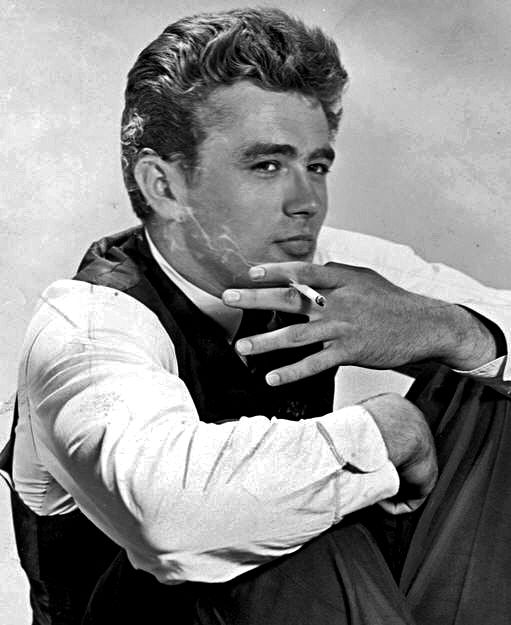
Below: James Dean smoking back when it was cool.
Pro tip: Can't quit smoking?
Hire an annoying child to follow you around nagging you about the nasty side effects of smoking. Some civic minded children will do this for free (especially if they are related to you).
Look at pictures of smoke filled lungs, people with throat cancer, or older people with smoker wrinkles around the lips.
Smoking causes dementia
Cigarette smoking increased at-risk biomarkers for Alzheimer disease in the cerebrospinal fluid (CSF), the liquid that surrounds your brain. Active smokers had higher β-amyloid 42 levels; a potent neurotoxin protein that plays a role in neurodegeneration (brain neuron death and loss of function), excessive oxidative stress, neuroinflammation (brain inflammation), and impaired neuroprotection compared to nonsmokers (Liu et al. 2020).
Vascular cognitive impairment (VCI), caused by impaired blood flow to the brain, accounts for 20-40% cases of dementia (Rundek et al. 2022). VCI can show as a mild cognitive impairment or more advanced vascular dementia. Four risk factors for vascular dementia are hypertension, high cholesterol, diabetes, and smoking at middle age. Each of these are associated with a 20 to 40% increased risk of dementia and your risk increases if you have more than one of these risk factors (discussion in Rundek et al. 2022).
Smoking may be linked to Long COVID
Some symptoms of Long COVID, such as cardiovascular symptoms, shortness of breath (dyspnea), and brain (cognitive) and/or mental-health impairments, may be strongly associated with smoking. Current research links smoking to an increased risk of developing Long COVID (Trofor et al. 2024).
Stress impedes brain recovery and contributes to neurological dysfunction. It activates oxidative stress, endoplasmic reticulum stress (ERS), prevents blood vessel growth (angiogenesis), causes cellular death (apoptosis), inhibits glia cells, decreases brain-derived neurotrophic factor (BDNF), and contributes to excitatory/inhibitory neuron imbalance. In addition, stress can cause behavioral and cognitive deficits (Guo et al. 2022).
By Susan Fluegel PHD Nutritional Biochemistry
*Names and some minor identifying details in all stories in this website are changed to protect people's privacy.
This information is for informational purposes only and does not constitute medical advice, diagnosis, or treatment.
References:
Aoun R, Rawal H, Attarian H, Sahni A. Impact of traumatic brain injury on sleep: an overview. Nat Sci Sleep. 2019 Aug 19;11:131-140. doi: 10.2147/NSS.S182158. Full article.
Antontseva E, Bondar N, Reshetnikov V, Merkulova T. The Effects of Chronic Stress on Brain Myelination in Humans and in Various Rodent Models. Neuroscience. 2020 Aug 10;441:226-238. doi: 10.1016/j.neuroscience.2020.06.013. Full article.
Ash C, Dubec M, Donne K, Bashford T. Effect of wavelength and beam width on penetration in light-tissue interaction using computational methods. Lasers Med Sci. 2017 Nov;32(8):1909-1918. doi: 10.1007/s10103-017-2317-4. Full article.
Baron-Cohen S, Ashwin E, Ashwin C, Tavassoli T, Chakrabarti B. Talent in autism: hyper-systemizing, hyper-attention to detail and sensory hypersensitivity. Philos Trans R Soc Lond B Biol Sci. 2009 May 27;364(1522):1377-83. doi: 10.1098/rstb.2008.0337. Full article.
Baron-Cohen S, Lombardo MV. Autism and talent: the cognitive and neural basis of systemizing. Dialogues Clin Neurosci. 2017 Dec;19(4):345-353. doi: 10.31887/DCNS.2017.19.4/sbaroncohen. Full article.
Bartsch T, Wulff P. The hippocampus in aging and disease: From plasticity to vulnerability. Neuroscience. 2015 Nov 19;309:1-16. doi: 10.1016/j.neuroscience.2015.07.084. Abstract.
Becker JH, Lin JJ, Doernberg M, Stone K, Navis A, Festa JR, Wisnivesky JP. Assessment of Cognitive Function in Patients After COVID-19 Infection. JAMA Netw Open. 2021 Oct 1;4(10):e2130645. doi: 10.1001/jamanetworkopen.2021.30645. .Full article.
Berding K, Vlckova K, Marx W, Schellekens H, Stanton C, Clarke G, Jacka F, Dinan TG, Cryan JF. Diet and the Microbiota-Gut-Brain Axis: Sowing the Seeds of Good Mental Health. Adv Nutr. 2021 Jul 30;12(4):1239-1285. doi: 10.1093/advances/nmaa181. Full article.
Bourgognon J-M, Cavanagh J. The role of cytokines in modulating learning and memory and brain plasticity. Brain and Neuroscience Advances. 2020;4. doi:10.1177/2398212820979802 Full article.
Bradt J, Dileo C, Magill L, Teague A. Music interventions for improving psychological and physical outcomes in cancer patients. Cochrane Database Syst Rev. 2016 Aug 15;(8):CD006911. doi: 10.1002/14651858.CD006911.pub3. Update in: Cochrane Database Syst Rev. 2021 Oct 12;10:CD006911. Full article.
Bratman GN, Anderson CB, Berman MG, Cochran B, de Vries S, Flanders J, Folke C, Frumkin H, Gross JJ, Hartig T, Kahn PH Jr, Kuo M, Lawler JJ, Levin PS, Lindahl T, Meyer-Lindenberg A, Mitchell R, Ouyang Z, Roe J, Scarlett L, Smith JR, van den Bosch M, Wheeler BW, White MP, Zheng H, Daily GC. Nature and mental health: An ecosystem service perspective. Sci Adv. 2019 Jul 24;5(7):eaax0903. doi: 10.1126/sciadv.aax0903. Full article.
Buckley J, Cohen JD, Kramer AF, McAuley E, Mullen SP. Cognitive control in the self-regulation of physical activity and sedentary behavior. Front Hum Neurosci. 2014 Sep 29;8:747. doi: 10.3389/fnhum.2014.00747. Full article.
Capaldi RA. Structure and function of cytochrome c oxidase. Annu Rev Biochem. 1990;59:569-96. doi: 10.1146/annurev.bi.59.070190.003033. PMID: 2165384. No abstract available.
Casaletto KB, Lindbergh CA, VandeBunte A, Neuhaus J, Schneider JA, Buchman AS, Honer WG, Bennett DA. Microglial Correlates of Late Life Physical Activity: Relationship with Synaptic and Cognitive Aging in Older Adults. J Neurosci. 2022 Jan 12;42(2):288-298. doi: 10.1523/JNEUROSCI.1483-21.2021. Full article.
Che H, Fu X, Zhang L, Gao X, Wen M, Du L, Xue C, Xu J, Wang Y. Neuroprotective Effects of n-3 Polyunsaturated Fatty Acid-Enriched Phosphatidylserine Against Oxidative Damage in PC12 Cells. Cell Mol Neurobiol. 2018 Apr;38(3):657-668. doi: 10.1007/s10571-017-0516-y. Summary.
Charisis S, Ntanasi E, Yannakoulia M, Anastasiou CA, Kosmidis MH, Dardiotis E, Gargalionis AN, Patas K, Chatzipanagiotou S, Mourtzinos I, Tzima K, Hadjigeorgiou G, Sakka P, Kapogiannis D, Scarmeas N. Diet Inflammatory Index and Dementia Incidence: A Population-Based Study. Neurology. 2021 Dec 14;97(24):e2381-e2391. doi: 10.1212/WNL.0000000000012973. Full article.
Chekroud SR, Gueorguieva R, Zheutlin AB, Paulus M, Krumholz HM, Krystal JH, Chekroud AM. Association between physical exercise and mental health in 1.2 million individuals in the USA between 2011 and 2015: a cross-sectional study. Lancet Psychiatry. 2018 Sep;5(9):739-746. doi: 10.1016/S2215-0366(18)30227-X. Epub 2018 Aug 8. PMID: 30099000. Summary.
Cole EJ, Phillips AL, Bentzley BS, Stimpson KH, Nejad R, Barmak F, Veerapal C, Khan N, Cherian K, Felber E, Brown R, Choi E, King S, Pankow H, Bishop JH, Azeez A, Coetzee J, Rapier R, Odenwald N, Carreon D, Hawkins J, Chang M, Keller J, Raj K, DeBattista C, Jo B, Espil FM, Schatzberg AF, Sudheimer KD, Williams NR. Stanford Neuromodulation Therapy (SNT): A Double-Blind Randomized Controlled Trial. Am J Psychiatry. 2022 Feb;179(2):132-141. doi: 10.1176/appi.ajp.2021.20101429. Abstract. Read a summary here.
Colrain IM, Nicholas CL, Baker FC. Alcohol and the sleeping brain. Handb Clin Neurol. 2014;125:415-31. doi: 10.1016/B978-0-444-62619-6.00024-0. Full article.
Cutolo M, Smith V, Paolino S, Gotelli E. Involvement of the secosteroid vitamin D in autoimmune rheumatic diseases and COVID-19. Nat Rev Rheumatol. 2023 May;19(5):265-287. doi: 10.1038/s41584-023-00944-2. Full article.
DiNicolantonio JJ, O'Keefe JH. The Importance of Marine Omega-3s for Brain Development and the Prevention and Treatment of Behavior, Mood, and Other Brain Disorders. Nutrients. 2020 Aug 4;12(8):2333. doi: 10.3390/nu12082333. Full Article.
Douaud G, Lee S, Alfaro-Almagro F, Arthofer C, Wang C, McCarthy P, Lange F, Andersson JLR, Griffanti L, Duff E, Jbabdi S, Taschler B, Keating P, Winkler AM, Collins R, Matthews PM, Allen N, Miller KL, Nichols TE, Smith SM. SARS-CoV-2 is associated with changes in brain structure in UK Biobank. Nature. 2022 Apr;604(7907):697-707. doi: 10.1038/s41586-022-04569-5. Full article.
Dupuis ML, Pagano MT, Pierdominici M, Ortona E. The role of vitamin D in autoimmune diseases: could sex make the difference? Biol Sex Differ. 2021 Jan 12;12(1):12. doi: 10.1186/s13293-021-00358-3. Full article.
Eisenstein T, Giladi N, Hendler T, Havakuk O, Lerner Y. Physically Active Lifestyle Is Associated With Attenuation of Hippocampal Dysfunction in Cognitively Intact Older Adults. Front Aging Neurosci. 2021 Oct 6;13:720990. doi: 10.3389/fnagi.2021.720990. Full article.
Erickson KI, Voss MW, Prakash RS, Basak C, Szabo A, Chaddock L, Kim JS, Heo S, Alves H, White SM, Wojcicki TR, Mailey E, Vieira VJ, Martin SA, Pence BD, Woods JA, McAuley E, Kramer AF. Exercise training increases size of hippocampus and improves memory. Proc Natl Acad Sci U S A. 2011 Feb 15;108(7):3017-22. doi: 10.1073/pnas.1015950108. Full article.
Ferrara M, Bertozzi G, Volonnino G, Di Fazio N, Frati P, Cipolloni L, La Russa R, Fineschi V. Glymphatic System a Window on TBI Pathophysiology: A Systematic Review. Int J Mol Sci. 2022 Aug 15;23(16):9138. doi: 10.3390/ijms23169138. Full article.
Figueiro Longo MG, Tan CO, Chan ST, Welt J, Avesta A, Ratai E, Mercaldo ND, Yendiki A, Namati J, Chico-Calero I, Parry BA, Drake L, Anderson R, Rauch T, Diaz-Arrastia R, Lev M, Lee J, Hamblin M, Vakoc B, Gupta R. Effect of Transcranial Low-Level Light Therapy vs Sham Therapy Among Patients With Moderate Traumatic Brain Injury: A Randomized Clinical Trial. JAMA Netw Open. 2020 Sep 1;3(9):e2017337. doi: 10.1001/jamanetworkopen.2020.17337. Full article.
Firth J, Stubbs B, Vancampfort D, Schuch F, Lagopoulos J, Rosenbaum S, Ward PB. Effect of aerobic exercise on hippocampal volume in humans: A systematic review and meta-analysis. Neuroimage. 2018 Feb 1;166:230-238. doi: 10.1016/j.neuroimage.2017.11.007. Full article.
Fultz NE, Bonmassar G, Setsompop K, Stickgold RA, Rosen BR, Polimeni JR, Lewis LD. Coupled electrophysiological, hemodynamic, and cerebrospinal fluid oscillations in human sleep. Science. 2019 Nov 1;366(6465):628-631. doi: 10.1126/science.aax5440. Full article.
Gardiner C, Weakley J, Burke LM, Roach GD, Sargent C, Maniar N, Townshend A, Halson SL. The effect of caffeine on subsequent sleep: A systematic review and meta-analysis. Sleep Med Rev. 2023 Jun;69:101764. doi: 10.1016/j.smrv.2023.101764. Full article.
Gong Z, Bilgel M, Kiely M, Triebswetter C, Ferrucci L, Resnick SM, Spencer RG, Bouhrara M. Lower myelin content is associated with more rapid cognitive decline among cognitively unimpaired individuals. Alzheimers Dement. 2023 Jul;19(7):3098-3107. doi: 10.1002/alz.12968. Full article.
Gray DT, Barnes CA. Distinguishing adaptive plasticity from vulnerability in the aging hippocampus. Neuroscience. 2015 Nov 19;309:17-28. doi: 10.1016/j.neuroscience.2015.08.001. Full article.
Green TRF, Ortiz JB, Wonnacott S, Williams RJ, Rowe RK. The Bidirectional Relationship Between Sleep and Inflammation Links Traumatic Brain Injury and Alzheimer's Disease. Front Neurosci. 2020 Aug 25;14:894. doi: 10.3389/fnins.2020.00894. Full article.
Grigoriou I, Kotoulas SC, Porpodis K, Spyratos D, Papagiouvanni I, Tsantos A, Michailidou A, Mourelatos C, Mouratidou C, Alevroudis I, Marneri A, Pataka A. The Interactions between Smoking and Sleep. Biomedicines. 2024 Aug 5;12(8):1765. doi: 10.3390/biomedicines12081765. Full article.
Guo H, Zheng L, Xu H, Pang Q, Ren Z, Gao Y, Wang T. Neurobiological Links between Stress, Brain Injury, and Disease. Oxid Med Cell Longev. 2022 May 25;2022:8111022. doi: 10.1155/2022/8111022. Full article.
Hamblin MR. Photobiomodulation for Alzheimer's Disease: Has the Light Dawned? Photonics. 2019 Sep;6(3):77. doi: 10.3390/photonics6030077. Full article.
Harvey SB, Øverland S, Hatch SL, Wessely S, Mykletun A, Hotopf M. Exercise and the Prevention of Depression: Results of the HUNT Cohort Study. Am J Psychiatry. 2018 Jan 1;175(1):28-36. doi: 10.1176/appi.ajp.2017.16111223. Full article.
Höchsmann C, Müller O, Ambühl M, Klenk C, Königstein K, Infanger D, Walz SP, Schmidt-Trucksäss A. Novel Smartphone Game Improves Physical Activity Behavior in Type 2 Diabetes. Am J Prev Med. 2019 Jul;57(1):41-50. doi: 10.1016/j.amepre.2019.02.017. Full article.
Kim EJ, Kim JJ. Neurocognitive effects of stress: a metaparadigm perspective. Mol Psychiatry 28, 2750-2763 (2023). https://doi.org/10.1038/s41380-023-01986-4 Full article.
Kinney SR, Carlson L, Ser-Dolansky J, Thompson C, Shah S, Gambrah A, Xing W, Schneider SS, Mathias CB. Curcumin Ingestion Inhibits Mastocytosis and Suppresses Intestinal Anaphylaxis in a Murine Model of Food Allergy. PLoS One. 2015 Jul 6;10(7):e0132467. doi: 10.1371/journal.pone.0132467. Full article.
Kondo MC, Jacoby SF, South EC. Does spending time outdoors reduce stress? A review of real-time stress response to outdoor environments. Health Place. 2018 May;51:136-150. doi: 10.1016/j.healthplace.2018.03.001. Full article.
Krystel-Whittemore M, Dileepan KN, Wood JG. Mast Cell: A Multi-Functional Master Cell. Front Immunol. 2016 Jan 6;6:620. doi: 10.3389/fimmu.2015.00620. Full article.
Kumar M, Srivastava S, Muhammad T. Relationship between physical activity and cognitive functioning among older Indian adults. Sci Rep. 2022 Feb 17;12(1):2725. doi: 10.1038/s41598-022-06725-3. Full article.
Knüppel A, Shipley MJ, Llewellyn CH, Brunner EJ. Sugar intake from sweet food and beverages, common mental disorder and depression: prospective findings from the Whitehall II study. Sci Rep. 2017 Jul 27;7(1):6287. doi: 10.1038/s41598-017-05649-7. Full article.
Kumar N, Vishnubhatla S, Wadhawan AN, Minhas S, Gupta P. A randomized, double blind, sham-controlled trial of repetitive transcranial magnetic stimulation (rTMS) in the treatment of negative symptoms in schizophrenia. Brain Stimul. 2020 May-Jun;13(3):840-849. doi: 10.1016/j.brs.2020.02.016. Full article.
Krueger JM, Majde JA, Rector DM. Cytokines in immune function and sleep regulation. Handb Clin Neurol. 2011;98:229-40. doi: 10.1016/B978-0-444-52006-7.00015-0. Full article.
Jeong SM, Park J, Han K, Yoo J, Yoo JE, Lee CM, Jung W, Lee J, Kim SY, Shin DW. Association of Changes in Smoking Intensity With Risk of Dementia in Korea. JAMA Netw Open. 2023 Jan 3;6(1):e2251506. doi: 10.1001/jamanetworkopen.2022.51506. Erratum in: JAMA Netw Open. 2023 Feb 1;6(2):e232452. doi: 10.1001/jamanetworkopen.2023.2452. Full article.
Jessen NA, Munk AS, Lundgaard I, Nedergaard M. The Glymphatic System: A Beginner's Guide. Neurochem Res. 2015 Dec;40(12):2583-99. doi: 10.1007/s11064-015-1581-6. Full article.
Jimenez MP, DeVille NV, Elliott EG, Schiff JE, Wilt GE, Hart JE, James P. Associations between Nature Exposure and Health: A Review of the Evidence. Int J Environ Res Public Health. 2021 Apr 30;18(9):4790. doi: 10.3390/ijerph18094790. Full article.
Kempuraj D, Selvakumar GP, Thangavel R, Ahmed ME, Zaheer S, Raikwar SP, Iyer SS, Bhagavan SM, Beladakere-Ramaswamy S, Zaheer A. Mast Cell Activation in Brain Injury, Stress, and Post-traumatic Stress Disorder and Alzheimer's Disease Pathogenesis. Front Neurosci. 2017 Dec 12;11:703. doi: 10.3389/fnins.2017.00703. Full article.
Langlois M and Chandon P. Experiencing nature leads to healthier food choices. Commun Psychol 2, 24 (2024). https://doi.org/10.1038/s44271-024-00072-x Full article.
Lee AY, Eric Neumann, Jamil Zaki, Jeffrey Hancock, Americans overestimate how many social media users post harmful content, PNAS Nexus, Volume 4, Issue 12, December 2025, pgaf310, https://doi.org/10.1093/pnasnexus/pgaf310 Full article.
Li S, Zhou H, Yu Y, Lyu H, Mou T, Shi G, Hu S, Huang M, Hu J, Xu Y. Effect of repetitive transcranial magnetic stimulation on the cognitive impairment induced by sleep deprivation: a randomized trial. Sleep Med. 2021 Jan;77:270-278. doi: 10.1016/j.sleep.2020.06.019. Full article.
Loprinzi PD, Day S, Hendry R, Hoffman S, Love A, Marable S, McKee E, Stec S, Watson H, Gilliland B. The Effects of Acute Exercise on Short- and Long-Term Memory: Considerations for the Timing of Exercise and Phases of Memory. Eur J Psychol. 2021 Feb 26;17(1):85-103. doi: 10.5964/ejop.2955. Full article.
Liu Y, Li H, Wang J, Xue Q, Yang X, Kang Y, Li M, Xu J, Li G, Li C, Chang HC, Su KP, Wang F. Association of Cigarette Smoking With Cerebrospinal Fluid Biomarkers of Neurodegeneration, Neuroinflammation, and Oxidation. JAMA Netw Open. 2020 Oct 1;3(10):e2018777. doi: 10.1001/jamanetworkopen.2020.18777. Full article.
Manippa V, Palmisano A, Filardi M, Vilella D, Nitsche MA, Rivolta D, Logroscino G. An update on the use of gamma (multi)sensory stimulation for Alzheimer's disease treatment. Front Aging Neurosci. 2022 Dec 15;14:1095081. doi: 10.3389/fnagi.2022.1095081. Full article.
Martin-Niedecken AL, Schättin A. Let the Body'n'Brain Games Begin: Toward Innovative Training Approaches in eSports Athletes. Front Psychol. 2020 Feb 19;11:138. doi: 10.3389/fpsyg.2020.00138. Full article.
Mazzone P, Tierney W, Hossain M, Puvenna V, Janigro D, Cucullo L. Pathophysiological impact of cigarette smoke exposure on the cerebrovascular system with a focus on the blood-brain barrier: expanding the awareness of smoking toxicity in an underappreciated area. Int J Environ Res Public Health. 2010 Dec;7(12):4111-26. doi: 10.3390/ijerph7124111. Full article.
McAlpine CS, Máté G. Kiss, Faris M. Zuraikat, David Cheek, Giulia Schiroli, Hajera Amatullah, Pacific Huynh, Mehreen Z. Bhatti, Lai-Ping Wong, Abi G. Yates, Wolfram C. Poller, John E. Mindur, Christopher T. Chan, Henrike Janssen, Jeffrey Downey, Sumnima Singh, Ruslan I. Sadreyev, Matthias Nahrendorf, Kate L. Jeffrey, David T. Scadden, Kamila Naxerova, Marie-Pierre St-Onge, Filip K. Swirski. Sleep exerts lasting effects on hematopoietic stem cell function and diversity. Journal of Experimental Medicine, 2022; 219 (11) DOI: 10.1084/jem.20220081 Full article.
McCarty MF, Lerner A, DiNicolantonio JJ, Benzvi C. Nutraceutical Aid for Allergies - Strategies for Down-Regulating Mast Cell Degranulation. J Asthma Allergy. 2021 Oct 27;14:1257-1266. doi: 10.2147/JAA.S332307. Full article.
McKenzie J, Bhatti L, Tursan de Espaignet E. WHO, Geneva, 2014. PDF. WHO Tobacco Knowledge Summaries: Tobacco and dementia.
Miller KJ, Areerob P, Hennessy D, Gon?alves-Bradley DC, Mesagno C, Grace F. Aerobic, resistance, and mind-body exercise are equivalent to mitigate symptoms of depression in older adults: A systematic review and network meta-analysis of randomised controlled trials. F1000Res. 2020 Nov 13;9:1325. doi: 10.12688/f1000research.27123.2. Full article.
Murdaca G, Allegra A, Tonacci A, Musolino C, Ricciardi L, Gangemi S. Mast Cells and Vitamin D Status: A Clinical and Biological Link in the Onset of Allergy and Bone Diseases. Biomedicines. 2022 Aug 3;10(8):1877. doi: 10.3390/biomedicines10081877. Full article.
Naeser MA, Zafonte R, Krengel MH, Martin PI, Frazier J, Hamblin MR, Knight JA, Meehan WP 3rd, Baker EH. Significant improvements in cognitive performance post-transcranial, red/near-infrared light-emitting diode treatments in chronic, mild traumatic brain injury: open-protocol study. J Neurotrauma. 2014 Jun 1;31(11):1008-17. doi: 10.1089/neu.2013.3244. Full article.
Nakajima S, Ishimaru K, Kobayashi A, Yu G, Nakamura Y, Oh-Oka K, Suzuki-Inoue K, Kono K, Nakao A. Resveratrol inhibits IL-33-mediated mast cell activation by targeting the MK2/3-PI3K/Akt axis. Sci Rep. 2019 Dec 5;9(1):18423. doi: 10.1038/s41598-019-54878-5. Full article.
Pase MP, Himali JJ, Jacques PF, DeCarli C, Satizabal CL, Aparicio H, Vasan RS, Beiser AS, Seshadri S. Sugary beverage intake and preclinical Alzheimer's disease in the community. Alzheimers Dement. 2017 Sep;13(9):955-964. doi: 10.1016/j.jalz.2017.01.024. Full article.
Patch CS, Hill-Yardin EL, Lewis M, Ryan L, Daly E, Pearce AJ. The More, the Better: High-Dose Omega-3 Fatty Acids Improve Behavioural and Molecular Outcomes in Preclinical Models in Mild Brain Injury. Curr Neurol Neurosci Rep. 2021 Jul 6;21(9):45. doi: 10.1007/s11910-021-01132-z. Abstract.
Pennington DL, Reavis JV, Cano MT, Walker E, Batki SL. The Impact of Exercise and Virtual Reality Executive Function Training on Cognition Among Heavy Drinking Veterans With Traumatic Brain Injury: A Pilot Feasibility Study. Front Behav Neurosci. 2022 Mar 22;16:802711. doi: 10.3389/fnbeh.2022.802711. Full paper.
Piantino J, Schwartz DL, Luther M, Newgard C, Silbert L, Raskind M, Pagulayan K, Kleinhans N, Iliff J, Peskind E. Link between Mild Traumatic Brain Injury, Poor Sleep, and Magnetic Resonance Imaging: Visible Perivascular Spaces in Veterans. J Neurotrauma. 2021 Sep 1;38(17):2391-2399. doi: 10.1089/neu.2020.7447. Full article.
Rundek T, Tolea M, Ariko T, Fagerli EA, Camargo CJ. Vascular Cognitive Impairment (VCI). Neurotherapeutics. 2022 Jan;19(1):68-88. doi: 10.1007/s13311-021-01170-y. Full article.
Saalasti S, Alho J, Bar M, Glerean E, Honkela T, Kauppila M, Sams M, Jskelinen IP. Inferior parietal lobule and early visual areas support elicitation of individualized meanings during narrative listening. Brain Behav. 2019 May;9(5):e01288. doi: 10.1002/brb3.1288. Full article.
Schneps MH, Brockmole JR, Sonnert G, Pomplun M. History of reading struggles linked to enhanced learning in low spatial frequency scenes. PLoS One. 2012;7(4):e35724. doi: 10.1371/journal.pone.0035724. Full article.
Shivappa N, Steck SE, Hurley TG, Hussey JR, Hébert JR. Designing and developing a literature-derived, population-based dietary inflammatory index. Public Health Nutr. 2014 Aug;17(8):1689-96. doi: 10.1017/S1368980013002115. Full article.
Snelson M, Tan SM, Clarke RE, de Pasquale C, Thallas-Bonke V, Nguyen TV, Penfold SA, Harcourt BE, Sourris KC, Lindblom RS, Ziemann M, Steer D, El-Osta A, Davies MJ, Donnellan L, Deo P, Kellow NJ, Cooper ME, Woodruff TM, Mackay CR, Forbes JM, Coughlan MT. Processed foods drive intestinal barrier permeability and microvascular diseases. Sci Adv. 2021 Mar 31;7(14):eabe4841. doi: 10.1126/sciadv.abe4841. Full article.
Spalding KL, Bergmann O, Alkass K, Bernard S, Salehpour M, Huttner HB, Boström E, Westerlund I, Vial C, Buchholz BA, Possnert G, Mash DC, Druid H, Frisén J. Dynamics of hippocampal neurogenesis in adult humans. Cell. 2013 Jun 6;153(6):1219-1227. doi: 10.1016/j.cell.2013.05.002. Full article.
Sukenik N, Vinogradov O, Weinreb E, Segal M, Levina A, Moses E. Neuronal circuits overcome imbalance in excitation and inhibition by adjusting connection numbers. Proc Natl Acad Sci U S A. 2021 Mar 23;118(12):e2018459118. doi: 10.1073/pnas.2018459118. Full article.
Trofor AC, Robu Popa D, Melinte OE, Trofor L, Vicol C, Grosu-Creangă IA, Crișan Dabija RA, Cernomaz AT. Looking at the Data on Smoking and Post-COVID-19 Syndrome-A Literature Review. J Pers Med. 2024 Jan 16;14(1):97. doi: 10.3390/jpm14010097. Full article.
Wang X, Ji L, Tang Z, Ding G, Chen X, Lv J, Chen Y, Li D. The association of metabolic syndrome and cognitive impairment in Jidong of China: a cross-sectional study. BMC Endocr Disord. 2021 Mar 4;21(1):40. doi: 10.1186/s12902-021-00705-w. Full article.
Vosoughi S, Roy D, Aral S. The spread of true and false news online. Science. 2018 Mar 9;359(6380):1146-1151. doi: 10.1126/science.aap9559. Abstract.
Wang M, Zhang H, Liang J, Huang J, Chen N. Exercise suppresses neuroinflammation for alleviating Alzheimer's disease. J Neuroinflammation. 2023 Mar 19;20(1):76. doi: 10.1186/s12974-023-02753-6. Full article.
Waypa GB, Smith KA, Schumacker PT. O2 sensing, mitochondria and ROS signaling: The fog is lifting. Mol Aspects Med. 2016 Feb-Mar;47-48:76-89. doi: 10.1016/j.mam.2016.01.002. Full article.
Weng Z, Zhang B, Asadi S, Sismanopoulos N, Butcher A, Fu X, Katsarou-Katsari A, Antoniou C, Theoharides TC. Quercetin Is More Effective than Cromolyn in Blocking Human Mast Cell Cytokine Release and Inhibits Contact Dermatitis and Photosensitivity in Humans. PLoS ONE 2012; 7(3): e33805. https://doi.org/10.1371/journal.pone.0033805 Full article.
Yang H, Luo Y, Hu Q, Tian X, Wen H. Benefits in Alzheimer's Disease of Sensory and Multisensory Stimulation. J Alzheimers Dis. 2021;82(2):463-484. doi: 10.3233/JAD-201554. Abstract.
Yates KF, Sweat V, Yau PL, Turchiano MM, Convit A. Impact of metabolic syndrome on cognition and brain: a selected review of the literature. Arterioscler Thromb Vasc Biol. 2012 Sep;32(9):2060-7. doi: 10.1161/ATVBAHA.112.252759. Full article.
Yue WL, Ng KK, Koh AJ, Perini F, Doshi K, Zhou JH, Lim J. Mindfulness-based therapy improves brain functional network reconfiguration efficiency. Transl Psychiatry. 2023 Nov 11;13(1):345. doi: 10.1038/s41398-023-02642-9. Full article.
Zeki S, Romaya JP. Neural correlates of hate. PLoS One. 2008;3(10):e3556. doi: 10.1371/journal.pone.0003556. Epub 2008 Oct 29. Full article.
Zhao JL, Jiang WT, Wang X, Cai ZD, Liu ZH, Liu GR. Exercise, brain plasticity, and depression. CNS Neurosci Ther. 2020 Sep;26(9):885-895. doi: 10.1111/cns.13385. Full article.
Zhao Y, Vanhoutte PM, Leung SW. Vascular nitric oxide: Beyond eNOS. J Pharmacol Sci. 2015 Oct;129(2):83-94. doi: 10.1016/j.jphs.2015.09.002. Full article.