Protein Foods 101
What is protein?
Protein is found in most foods. Your body uses it for building and repairing, communication, defence and many other jobs.
Proteins are large molecules made from different amino acids hooked together. Amino acids (AAs) are like interlocking blocks who connect together to order to build different proteins. Proteins level up and combine to make functional structures.
How much protein do you need?
You need more protein than you think. According to the latest research, for optimal health adults need between 1.1 and 2.0 g protein per kg of body weight (bw) a day (or 0.5-0.9 g protein/lb/bw). This is more than the current DRI (discussion Weiler et al. 2020).
Proteins and protein/fat food combos
Eating normal amounts of animal and/or plant protein does not cause higher risks of dying from all-causes, cardiovascular disease, or cancer. In fact, a large study (15,937 women and men) showed that eating animal protein may be mildly protective against cancer mortality (Papanikolaou et al. 2025).
Choose unprocessed red meat (fatty or lean). Research suggests that unprocessed red meat does not increase inflammation or increase risk of metabolic disease (O'Connor et al. 2021, Wang et al. 2022).
Stay away from processed meats like hot dogs. Consuming processed meats was associated with an 11-19% average increase in the risk of type 2 diabetes (T2D) risk, a 7% increase in the risk of colon cancer and a 42% increase in risk of cardiovascular disease (Micha et al. 2010, Haile et al. 2025). Processed meats were defined as meats preserved by smoking, curing or salting, or adding chemical preservatives, like bacon,hot dogs, salami, sausages, or processed deli or luncheon meats.
Nitrites and nitrates added to preserved meat can form harmful nitrosamines, especially when meat is cooked at higher temperatures. If you can't resist the nitrites and nitrates used to preserve cured meats (ummm bacon) take some vitamin C with it. Vitamin C, ascorbic acid, blocks the formation of carcinogenic substances (Tannenbaum et al. 1991).
Fish and seafood
☆ Fatty fish like salmon, mackerel, tuna, herring, anchovies and sardines contain omega-3 fatty acids.
☆ Fish such as sardines, anchovies, salmon, herring, Atlantic mackerel, cod, tilapia, haddock, pollock, flounder, catfish, perch, rainbow trout and bass are low in mercury.
☆ Other seafood and fish are also healthy sources of protein.
Eggs
Eggs are rich in B vitamins and a nutrient called choline. Egg yolks contain 125 mg choline. Other foods high in choline are chicken liver (247 mg per 3 oz) and salmon (187 mg per 3 oz).
Choline is an important nutrient that is involved with metabolism, lipid transport, neurotransmitter synthesis, and methylation. Choline is essential for brain development and cognitive function.
Only around 8% of people in the USA get enough choline. It is extremely difficult to obtain the recommended AI for choline (425-55o mg/day for adults) without eating eggs (Wallace and Fulgoni 2017).
Whey and dairy
Whey and dairy proteins are excellent protein sources for people who are not allergic to dairy.
What foods contain protein (not all of these are complete proteins)?
Animal products
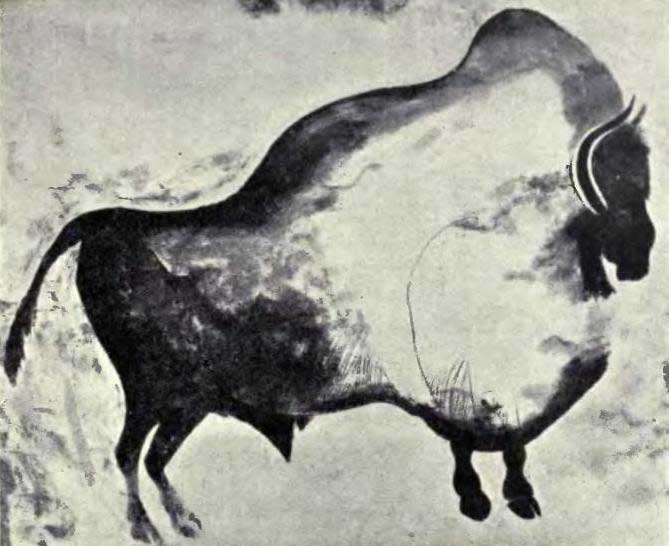
Meat: beef, pork, lamb, goat, bison, chicken, turkey, fish, or other meat
Fish: salmon, tuna, sardines, halibut, cod, or other fish
Eggs: egg white protein
Dairy: whey protein, greek yogurt, milk, cottage cheese, hard cheeses, casein protein; and other dairy
Meat from grass fed beef and lamb is healthier than that from grain fed animals
When compared to grain fed cattle:
- Grass fed beef has less total fat per 100 grams of meat
- Grass fed beef has a better saturated fatty acid (SFA) profile
- 100 grams of grass fed beef contains 2,773 mg less saturated fat than grain fed beef
- Grass fed beef has more long chain n-3 polyunsaturated fatty acids (PUFA; EPA, DPA, DHA)
- Grass fed beef has a healthier omega-3 to omega-6 ratio
- Read about it at Nogoy et al. 2022.
- In addition to being healthier, pastured raised animals and birds have more flavor.
Plant products contain protein too!
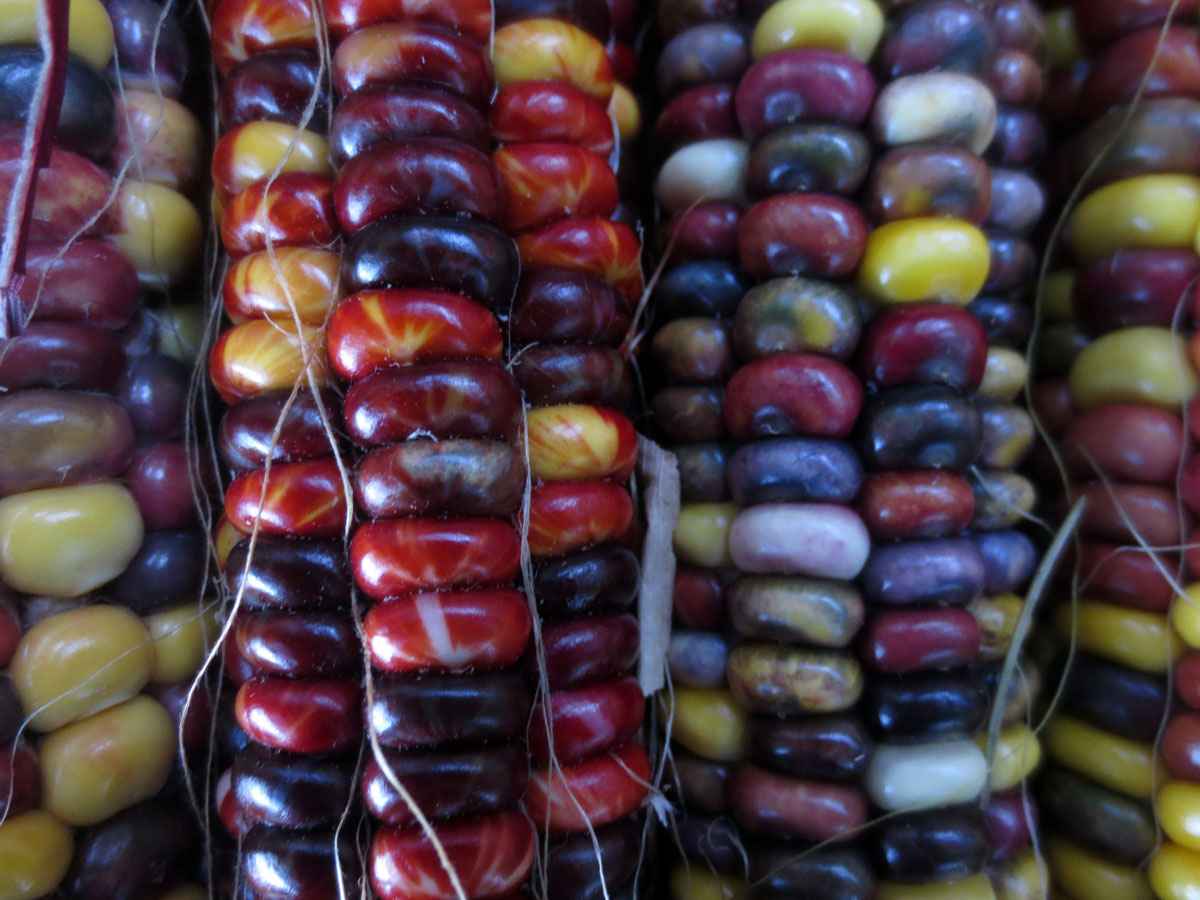
Grains: wheat, rice, spelt, rye, barley, oats, amaranth, corn, millet, quinoa, wild rice and others
Legumes: beans, chickpeas, peas, lentils, peanuts and others
Quinoa
Seeds: hemp seed, chia seed, sunflower, pumpkin
Walter Ufer - Portrait of a Man with a Pumpkin c1920s oil on canvas.

Nuts: walnuts, pecans, pistachios, hazel nuts, almond and others
Naturally fermented bean products: tofu, tempeh
Vegetable protein powders
Protein quality and digestibility
Protein quality depends on essential amino acid content and digestibility. These factors are influenced by:
1) The food matrix, sadly not starring Keanu Reeves, which describes the complicated structure of food including nutrient and non-nutrient component interactions (Forde and Bolhuis 2022).
2) Processing and food form (solids, semi-solids, or liquids); this includes food texture. Processing and cooking influences the microstructure of foods. Cell wall integrity influences nutrient absorption, energy and metabolism. Crushing, grinding and/or heating foods also changes nutrient availability.
When you eat whole foods; such as nuts, legumes, and cereal grains; you absorb less calories than reported by current calorie estimations based on the food's protein, fat and carbohydrate composition. This is because food with intact food matrix structures are harder for your body to digest. The cell walls and natural food structure locks up the energy in food making it harder to access (Forde and Bolhuis 2022).
For example, when almonds were chewed by healthy young people most of the almond cells remained whole. The lipid (fat) was trapped within the cell walls. Since the fat was trapped, it was unaccessible in the early stages of digestion. This means almonds had less available calories than previously calculated. It is estimated that the actual energy content (calories) of almonds may only 2/3 of what was previously thought (Novotny et al. 2012, Grundy et al. 2015).
Likewise, whole grains have factors that work together synergistically to reduce starch digestion. This includes physical barriers, such as an intact cell wall; starch structural features, such as a partial ordered crystalline structure; and the the soluble/insoluble proteinaceous materials in cells (Li et al. 2020).
In contrast, processed and highly processed foods are much easier to digest.
Anna Althea Hills Springtime Almond Trees Banning California c1916.

3) Mechanical digestion includes chewing and stomach churning. It is the physical process of breaking down food into smaller pieces without changing its chemical structure.
4) Bioavailability can be influenced by protein source, cooking, processing and food preparation methods. Animal-based proteins are easier to digest. Plant-based proteins often contain anti-nutritional factors and have more complex fibrous cell structures that often reduce their digestibility. Some legumes and cereals seed proteins have tight globular form and/or a hydrophobic core which makes them more resistant to digestion (discussion Ajomiwe et al. 2024). Cooking and/or processing can change protein structures and either improve or reduce digestibility.
5) The capacity to stimulate protein synthesis is highest in animal-based proteins although all proteins have this effect to some degree. What does this mean? For most people it will be easier to gain muscle using animal-based protein products. I'm not saying you can't gain muscle using plant-based protein, there are vegan strongmen and strongwomen, just that it will be harder.
Discussion of these concepts in Matthews et al. 2025.
What's up with complete vs incomplete proteins?
Proteins from animals are normally complete proteins. This means they contain enough essential amino acids relative to people's daily essential amino acid requirements.
Proteins from plants are often incomplete protein sources. Plant proteins lack enough of one or more essential amino acids.
☆ Cereals, grains, and seeds are usually proportionally low in the amino acid lysine
☆ Legumes and vegetables are usually proportionally low in the amino acid methionine
☆ Most plant proteins also contain limited amounts of the amino acids isoleucine and valine
Proteins with higher amounts of essential amino acids increase muscle protein synthesis rate more than proteins with lower amounts of essential amino acids (see discussion Berrazaga et al. 2019).
In one small cross-over study, women and men (16 adults, 65-85 years old) who ate a beef meal (lean ground beef, potatoes, string beans, apple sauce, herb butter) had 47% higher postprandial muscle protein synthesis rates when compared with when they ate an isonitrogenous and isocaloric vegan meal (quinoa, soy beans, chickpeas, and broad beans). Consuming a single meal with meat raised plasma essential amino acid concentrations more than the vegan meal (Pinckaers et al. 2024).
By Susan Fluegel PHD Nutritional Biochemistry and Lori Wood MS Human Nutrition.
*Names and some minor identifying details in all stories in this website are changed to protect people's privacy.
This information in this website is for informational purposes only and does not constitute medical advice, diagnosis, or treatment.
References:
Ajomiwe N, Boland M, Phongthai S, Bagiyal M, Singh J, Kaur L. Protein Nutrition: Understanding Structure, Digestibility, and Bioavailability for Optimal Health. Foods. 2024 Jun 5;13(11):1771. doi: 10.3390/foods13111771. Full article.
Forde CG, Bolhuis D. Interrelations Between Food Form, Texture, and Matrix Influence Energy Intake and Metabolic Responses. Curr Nutr Rep. 2022 Jun;11(2):124-132. doi: 10.1007/s13668-022-00413-4. Full article.
Gorissen SHM, Crombag JJR, Senden JMG, Waterval WAH, Bierau J, Verdijk LB, van Loon LJC. Protein content and amino acid composition of commercially available plant-based protein isolates. Amino Acids. 2018 Dec;50(12):1685-1695. doi: 10.1007/s00726-018-2640-5. Full article.
Grundy MM, Grassby T, Mandalari G, Waldron KW, Butterworth PJ, Berry SE, Ellis PR. Effect of mastication on lipid bioaccessibility of almonds in a randomized human study and its implications for digestion kinetics, metabolizable energy, and postprandial lipemia. Am J Clin Nutr. 2015 Jan;101(1):25-33. doi: 10.3945/ajcn.114.088328. Full article.
Haile D, Harding KL, McLaughlin SA, Ashbaugh C, Garcia V, Gilbertson NM, Kifle H, Parent MC, Sorensen RJD, Hay SI, Aravkin AY, Zheng P, Stanaway JD, Murray CJL, Brauer M. Health effects associated with consumption of processed meat, sugar-sweetened beverages and trans fatty acids: a Burden of Proof study. Nat Med. 2025 Jul;31(7):2244-2254. doi: 10.1038/s41591-025-03775-8. Abstract.
Li P, Dhital S, Fu X, Huang Q, Liu R, Zhang B, He X. Starch digestion in intact pulse cotyledon cells depends on the extent of thermal treatment. Food Chem. 2020 Jun 15;315:126268. doi: 10.1016/j.foodchem.2020.126268. Abstract.
Matthews JJ, Arentson-Lantz EJ, Moughan PJ, Wolfe RR, Ferrando AA, Church DD. Understanding Dietary Protein Quality: Digestible Indispensible Amino Acid Scores and Beyond. J Nutr. 2025 Jul 15:S0022-3166(25)00428-6. doi: 10.1016/j.tjnut.2025.07.005. Epub ahead of print. Full article.
Micha R, Wallace SK, Mozaffarian D. Red and processed meat consumption and risk of incident coronary heart disease, stroke, and diabetes mellitus: a systematic review and meta-analysis. Circulation. 2010 Jun 1;121(21):2271-83. doi: 10.1161/CIRCULATIONAHA.109.924977. Full article.
Nogoy KMC, Sun B, Shin S, Lee Y, Zi Li X, Choi SH, Park S. Fatty Acid Composition of Grain- and Grass-Fed Beef and Their Nutritional Value and Health Implication. Food Sci Anim Resour. 2022 Jan;42(1):18-33. doi: 10.5851/kosfa.2021.e73. Full article.
Novotny JA, Gebauer SK, Baer DJ. Discrepancy between the Atwater factor predicted and empirically measured energy values of almonds in human diets. Am J Clin Nutr. 2012 Aug;96(2):296-301. doi: 10.3945/ajcn.112.035782. Full article.
O'Connor LE, Kim JE, Clark CM, Zhu W, Campbell WW. Effects of Total Red Meat Intake on Glycemic Control and Inflammatory Biomarkers: A Meta-Analysis of Randomized Controlled Trials. Adv Nutr. 2021 Feb 1;12(1):115-127. doi: 10.1093/advances/nmaa096. Full article.
Papanikolaou Y, Phillips S, Fulgoni V 3rd. Animal and plant protein usual intakes are not adversely associated with all-cause, cardiovascular disease-, or cancer-related mortality risk: an NHANES III analysis. Appl Physiol Nutr Metab. 2025 Jan 1;50:1-8. doi: 10.1139/apnm-2023-0594. Full article.
Petroski W, Minich DM. Is There Such a Thing as "Anti-Nutrients"? A Narrative Review of Perceived Problematic Plant Compounds. Nutrients. 2020 Sep 24;12(10):2929. doi: 10.3390/nu12102929. Full article.
Pinckaers PJ, Domić J, Petrick HL, Holwerda AM, Trommelen J, Hendriks FK, Houben LH, Goessens JP, van Kranenburg JM, Senden JM, de Groot LC, Verdijk LB, Snijders T, van Loon LJ. Higher Muscle Protein Synthesis Rates Following Ingestion of an Omnivorous Meal Compared with an Isocaloric and Isonitrogenous Vegan Meal in Healthy, Older Adults. J Nutr. 2024 Jul;154(7):2120-2132. doi: 10.1016/j.tjnut.2023.11.004. Full article.
Tannenbaum SR, Wishnok JS, Leaf CD. Inhibition of nitrosamine formation by ascorbic acid. Am J Clin Nutr. 1991 Jan;53(1 Suppl):247S-250S. doi: 10.1093/ajcn/53.1.247S. Abstract.
Wallace TC, Fulgoni VL. Usual Choline Intakes Are Associated with Egg and Protein Food Consumption in the United States. Nutrients. 2017 Aug 5;9(8):839. doi: 10.3390/nu9080839. Full article.
Wang Y, Uffelman C, Hill E, Anderson N, Reed J, Olson M, Campbell W. The Effects of Red Meat Intake on Inflammation Biomarkers in Humans: A Systematic Review and Meta-Analysis of Randomized Controlled Trials. Curr Dev Nutr. 2022 Jun 14;6(Suppl 1):994. doi: 10.1093/cdn/nzac068.023. Summary.
Weiler M, Hertzler SR, Dvoretskiy S. Is It Time to Reconsider the U.S. Recommendations for Dietary Protein and Amino Acid Intake? Nutrients. 2023 Feb 6;15(4):838. doi: 10.3390/nu15040838. Full article.