About Us
We want to give you the tools to fix your health and regain your energy.
Our mission is to make you feel better using the resources you have available. We won't tell you you have to lose 50 pounds, pay $19.99 a month, take up tire tossing, or eat only dried seaweed and boiled chicken breasts to feel better (unless you want to do so, of course).
We will not try to get you to achieve the impossible. This is not a nutritional boot camp and there will be no nagging, shouting, social shaming, or semi-clothed before and after photos with you holding newspapers (so outdated anyway!). Instead, we will give you multiple techniques to help alleviate your illnesses and finally feel better.
We assume you are adults who can decide on your own what course of action you wish to take to regain your health and if you need to consult a physician you will. The information on this website is educational and does not replace professional medical advice, diagnosis, or treatment. Please make your own medical decisions; you know your health best!
We care about you because we have friends, family and other loved ones who also suffer from Long COVID, cardiovascular diseases, depression, anxiety, dementia, diabetes, brain fog, asthma, and other disorders.
Mental disorders are influenced by inflammation just like physical disorders.
You can treat your body and brain together.
About the people in our stories and examples
I, Susan, have spent a lot of time talking to people about their health challenges. I have heard from many people about their experiences with Long COVID and metabolic disorders as well as the various treatments they tried (good and bad). Some of these people are friends and family, many of them are people who have engaged with me on online forums, and others have contacted me directly looking for answers and help getting better.
To protect everyone's confidential medical information and privacy we are using fake names and sometimes obscuring minor identifying details in our website. No one wants to go viral for their baffling medical symptoms and/or private pain. The essence of each story is true and I use each person's actual words; only the names are changed. Everyone discussed in our examples gave permission for their stories and private struggles to be used in this website.
To all that contributed; thank you for allowing us to share your story to help other people!
 Are you a skeptic?
Have you been burned by dubious health claims before?
Why you can trust the scientific information here
We have the educational background, knowledge, and even more importantly, desire, to read the latest journal articles on metabolic disorders and Long COVID so you don't have to yourself. Long COVID has been one of my passions so please check out how COVID-19 saps your energy by reprogramming food to energy pathways!
Seriously, it takes a lot of dedication to get through a 24-page paper on how insulin concentrations change glucose uptake mechanisms just to condense it down to one sentence for our website; so thanks Lori! You can see some of Lori's work if you want to learn how high insulin levels result in metabolic disorders like type 2 diabetes, hypertension and obesity.
I (Susan) was raised without running water in Fairbanks, AK with one parent who lived off the land and another who was a journeyman carpenter. I grew up running barefoot in the snow, reading Mother Earth News, keeping chickens as pets, drinking raw goat milk*, and eating organic fresh food. Thanks to this upbringing, I am not afraid to look into any types of alternative healing remedies that might work and present the current evidence on its effectiveness to you. I can also build a mean compost pile, milk a goat, weed 3/4 of an acre, chop wood, and cook on a wood stove! Due to my curious nature I am thrilled to review new research and change my recommendations accordingly.
Lori and I both care enough to keep up with the latest medical and scientific research. Our knowledge and interest in this field keeps growing. We break down the scientific terminology and industry specific vocabulary so that anyone can understand and use it.
Oh, and did I mention we have nothing financial at stake here? Neither of us is selling you anything but advice about reclaiming your health and energy.
We don't use AI (and you shouldn't depend on AI or ChatGPT to be accurate)
My promise to you: no AI writing or art on this site! Please double check any AI "information" you see on the internet; so much of it is just plain wrong. It compiles all the information it can find on a topic and gives you the prediction of what the most likely answer is based on what its database.
The problem is the database and the innate mechanisms of AI. AI compiles information from all sources. Do you think most people are correct about biochemistry? What about physics? Medicine? Nutrition? Can your friend who flunked 8th grade biology diagram the Citric Acid Cycle correctly?
AI likes to make stuff up, but it is called hallucinations. The official definition is a AI hallucination is when a generative AI model produces some type of content that does not correspond to reality or to the input that it was given. So what does that mean? It means AI tries to predict what might come next.
Here's an example of an AI hallucination: if you ask AI to give you a citation for a research study on the Greater Titmouse, a model might make up a scientific paper with a convincing title; The Dancing Habits of the Greater Titmouse; plausible authors; IM Crane and EZ Tofool; and even a realistic journal reference; J Phoenix 2025;10:1200; but the paper itself is totally imaginary and does not exist.
Plus AI writing is soul sucking to read (even if they apparently use semicolons a lot (like me)! Don't waste your time reading drivel; seek out good writing. It is better for your brain. Or at least read poor writing by actual humans.
As a bonus to my no AI stance, all mistakes, spelling errors, extra semicolons, Oxford commas, and numbered lists on this website are made by a real human; namely Susan. I know mistakes are mine since Lori is not only a better speller but she is also more careful.
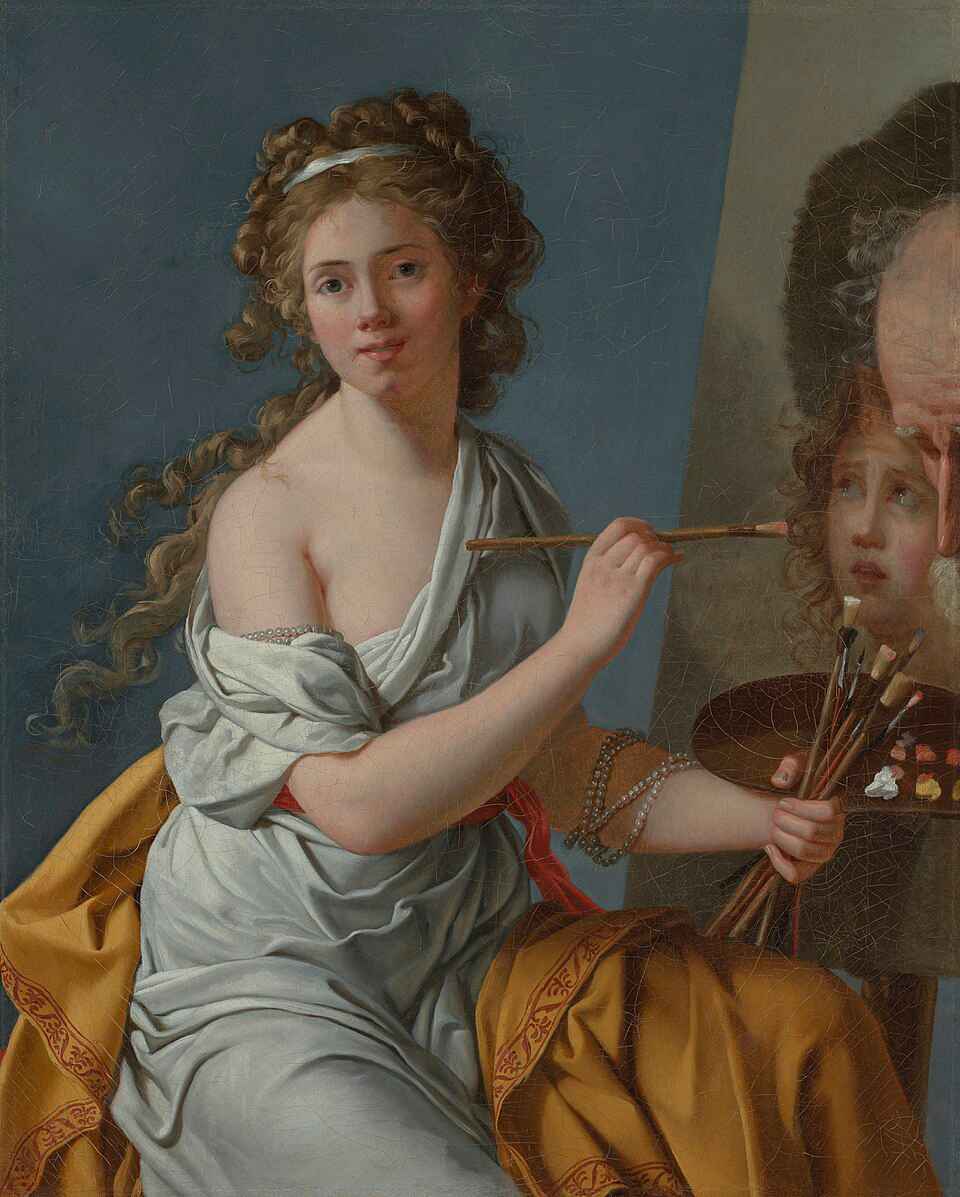
Art and recent photos without a caption or description are also mine. Other older photos and replications of works of art are in the public domain and are identified with the artist or photographer credited. I enjoy using beautiful old paintings and engravings to offset all the soulless AI art I have been seeing lately. Read about how making and viewing art can be healing!
Do you have a passion project too? If you want to make a website, build a chicken house shaped like a castle, create your own YouTube channel or simply grow bigger cucumbers, I suggest you learn how to make an action plan. It can help keep you on track to meet your goals. Having a plan helped me write this website.
*Caution about raw milk:
I'm going to be real here; I almost didn't put the raw milk detail in because there is a lot of unsafe raw dairy. I decided to include it to warn people. People can get sick or die due to drinking raw milk.
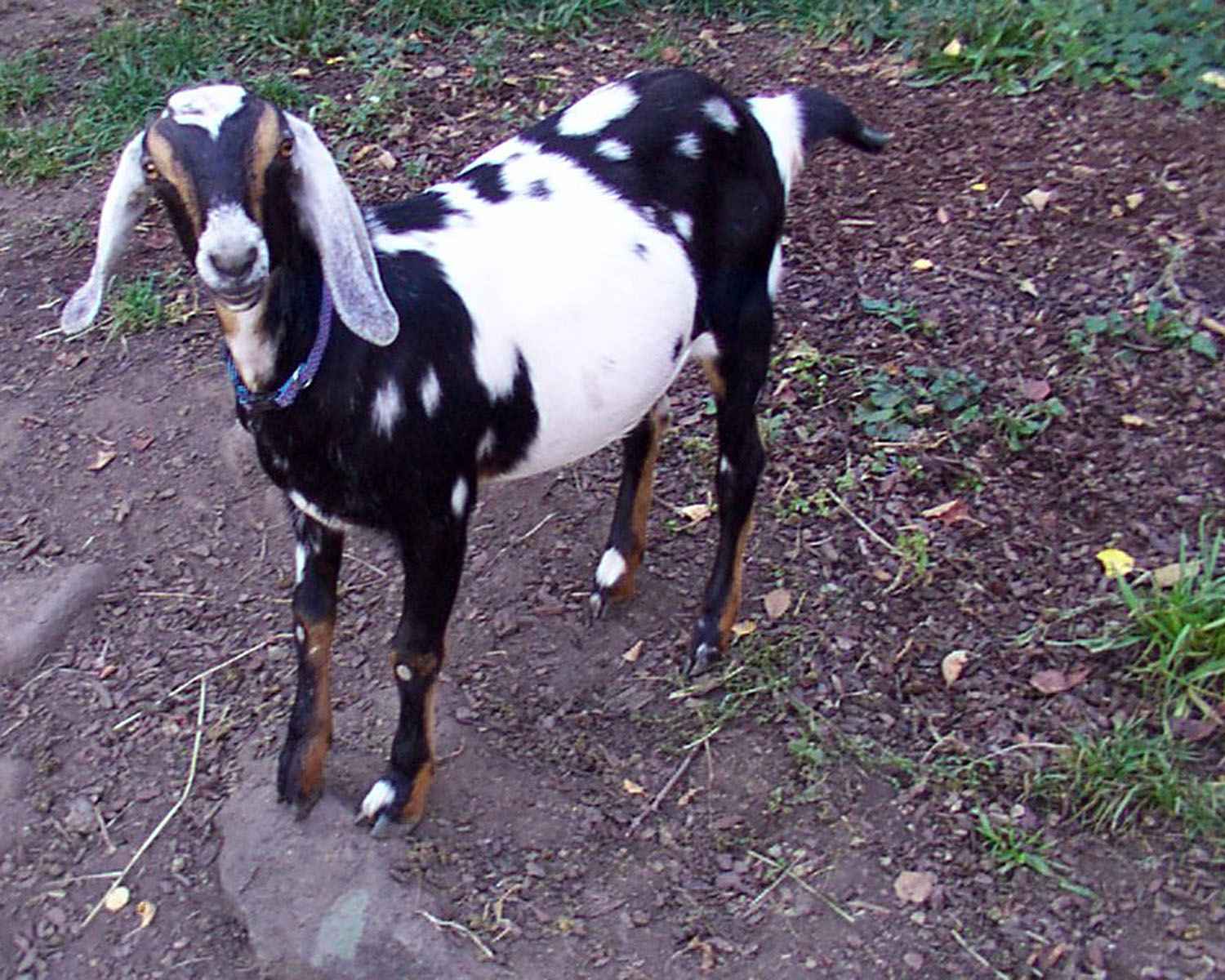
People like me who grow up drinking raw milk seem to have some level of immunity or tolerance to the bacteria present in that particular milk and specific animal herd. Farmers and their kids, in particular, may have a more robust immune system due to being surrounded by animals and manure (Quilliam et al. 2012, Dhakal et al. 2019). I'm pretty sure my immune system is made of steel since as a child I wandered around barefoot surrounded by pooping goats, chickens, guinea fowl, dogs, cats and moose all the time.
Both cleanliness and herd health are vital with raw dairy. If you want to stay healthy the person that milks the animals needs to maintain strict sanitary routines (healthy animals, tuberculosis- and brucellosis-free herd, clean udders, clean equipment, rapid chilling of milk). You cannot tell from looking at it if milk is safe so you need to have a trusted supply from tested animals.
Keep in mind that many people who grew up in sterile conditions like cities and suburbs are not used to the diverse microorganisms present in raw milk. In addition, you can catch dangerous food-borne illnesses caused by Salmonella, Campylobacter, E. coli, Yersinia, and Listeria, as well as H5N1 avian influenza virus (bird flu) from drinking milk from sick animals, improperly handled milk, or dirty milk.
Be extremely cautious with giving raw milk to babies, young children, immunocompromised people, pregnant women, and elderly people. I personally would not do it. Diseases from raw milk can KILL people. Pasteurization reduces or eliminates these harmful pathogens (Koski et al. 2022). There is still a risk of Listeria from pasteurized dairy products but the risk is much higher for raw milk (Sebastianski et al. 2022).
Currently the High-Temperature, Short-Time (HTST) pasteurization method is used for most milk. This method heats milk to 161°F (72°C) for a brief 15 seconds and then rapidly cools it. HTST eliminates harmful bacteria like Salmonella, E. coli, Campylobacter, and Listeria, as well as viruses. The effect of pasteurization on milk's nutritive value is minimal (Macdonald et al. 2011).
To obtain beneficial bacteria from dairy without the dangers of raw milk consider yogurt and kefir instead. That is what I use now.
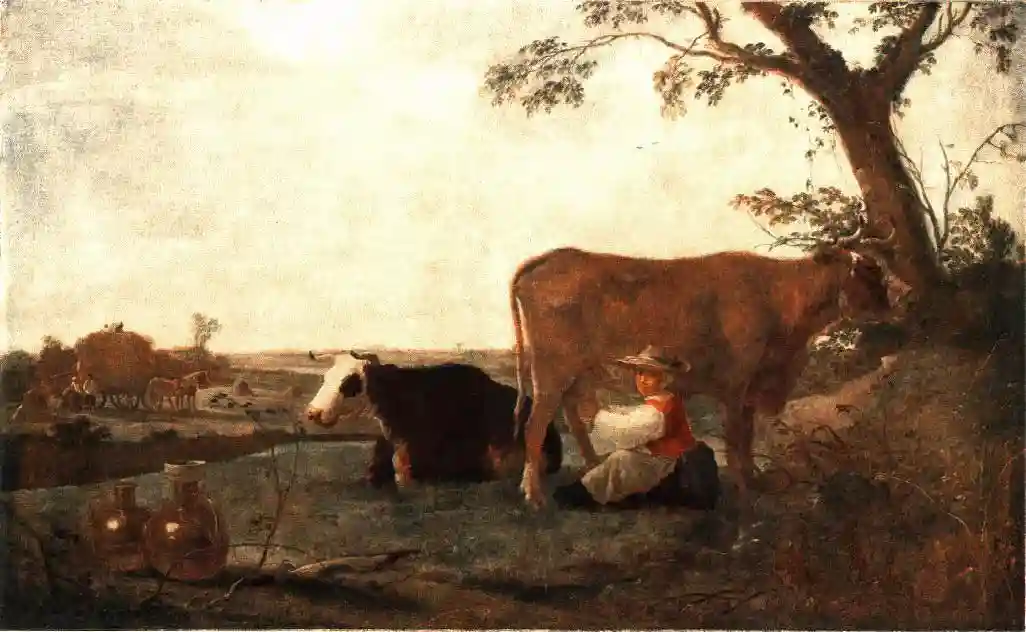
Aelbert Cuyp - The Dairy Maid c1650s oil on canvas.
Susan M Fluegel. PHD Nutritional Biochemistry
My goal for this website is to give you the tools to help yourself. My father died of COVID-19 and I want to help others who are suffering from its aftermath. Both Lori and I have relatives that suffer from inflammatory disorders such as type 2 diabetes (T2D), asthma, hypertension, post traumatic stress disorder (PTSD), depression, obsessive compulsive disorders and more.
My interests include lecturing random people I meet about the dangers of inflammation, trying to incorporate mitochondria into any conversation, defending higher fat diets, and extolling the health benefits of chocolate. I love biochemistry, reading about new research and helping people solve their health problems. I also enjoy weight lifting, hiking, gardening and art. The untitled artwork and photographs on this website are mine (except any pictures of me, my selfie skills are nonexistent). Other art and paintings are open sourced and attributed with artist and title.
Marie-Guillemine Benoist - Self-portrait, c1786 oil on canvas.
Before I could read my mom got me a book about the digestive system. One look and I was hooked on the large colored pictures showing the passage of food through the body. I was fascinated by the complete process and remember thinking, "poop comes from food!" It was like a light bulb went off in my brain. That love of nutrition stayed with me as I became self-educated on micronutrients (vitamins and minerals) and macronutrients (protein, carbohydrates and fats). I still think the food to poop cycle is awesome.
I didn't pursue nutrition as a career until later because I associated nutrition with dietetics and I wanted to be a scientist. It wasn't until after my MS in Entomology (yes, that is insects) that I realized that people could get a degree in Nutritional Biochemistry. I already had large pieces of the nutritional puzzle; I knew a lot about vitamins, minerals, and the benefits of whole natural foods. However, my PHD in Nutritional Biochemistry gave me the tools I needed to really make sense of nutrition; namely a deep knowledge of biochemistry and an understanding of energy flow through living organisms and systems. Everything clicked for me.
In the years since graduation, my knowledge of metabolic disorders and how to treat them has grown exponentially. Mostly because I cannot resist reading and sharing new research studies. People I know asked me to compile this information into a book or website that they could share with others. This website is my response to the gentle (and not so gentle) nagging from my friends and family to publish my knowledge somewhere...anywhere. I was lucky enough to have a friend agree to partner with me to create some of the content in this website. My friend, Lori Wood, is just as passionate about this topic and much better at proofreading. So if you spot a spelling error or other mistake it is surely mine!
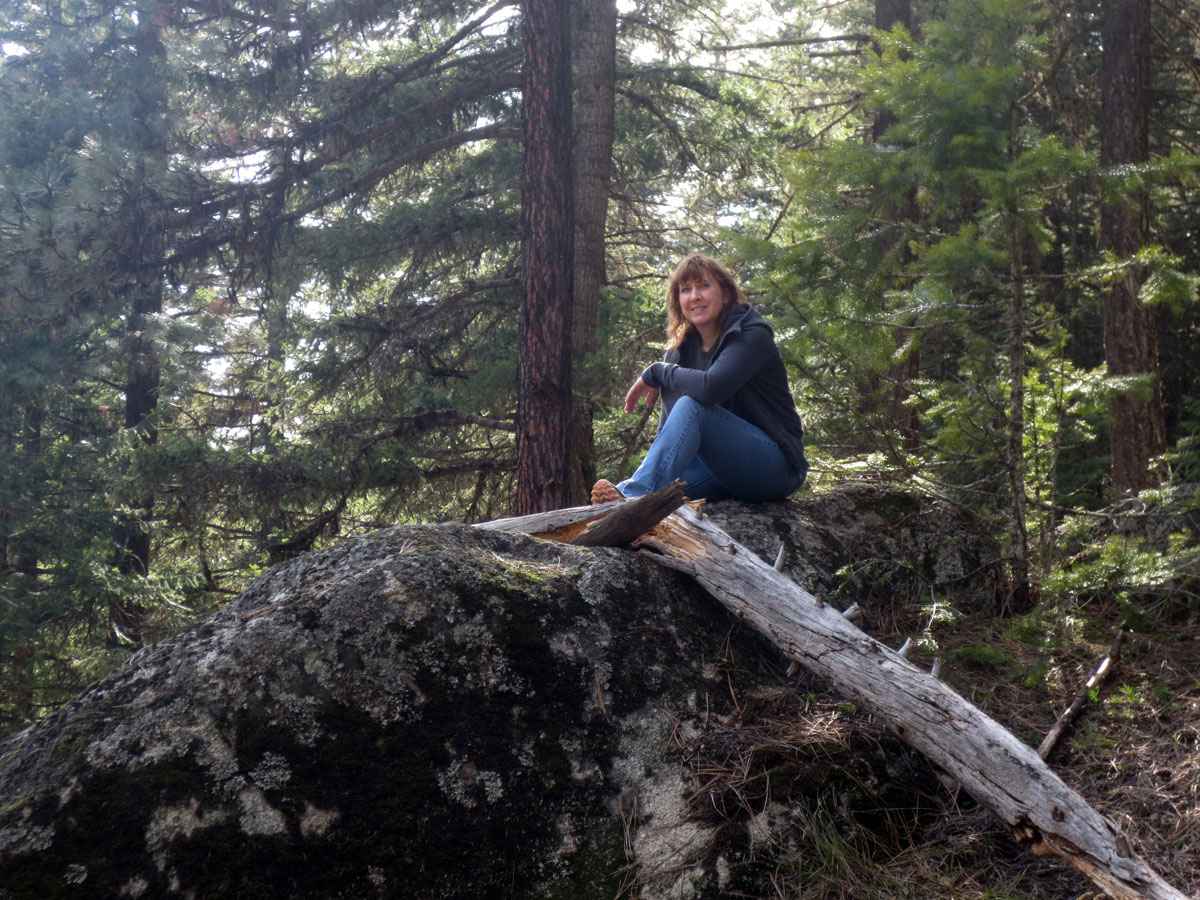
Susan Fluegel: More on my educational background:
My PHD is in Nutritional Biology from Washington State University. I got to do fun human nutritional experiments (no one was harmed).
My MS is in Entomology from the University of Idaho and focused on the tri-level interaction between a wheat plants' nutrition, the aphid feeding on the plant and the biological control ladybug feeding on the aphid.
My BS's are in Nutrition and Food Science (WSU), Agriculture, Biology, and Environmental Management (SDSU). I also have a minor in Chemistry and an emphasis in English.
The English is why I have so much fun writing about science. The science is why I include so many references. I may also just be a nerd.
Lori Wood. MS Human Nutrition
We met as we entered graduate school at Washington State University. Prior to meeting Susan, Lori worked as a certified Medical Technologist in various clinical and research laboratories for 20 plus years. Her research experience included maintaining cell cultures, producing, and classifying monoclonal antibodies, and producing ascites in mice. After enrolling in Nutrition classes and volunteering at a local food pantry, Lori's interests changed, and she worked towards a Master of Science in Human Nutrition. Following graduation, Lori was employed as an instructor of Nutrition and a nutrition research associate.
Lori's nutrition-related interests are investigating the factors that contribute to alterations in nutrient metabolism, how these alterations affect various organs and tissues, and how changes in metabolic and signaling pathways contribute to various disease states. Lori is curious about food insecure families and their coping skills and how food pantries can improve the nutrition of these individuals.
After working together on nutrition-related issues for several years we decided to collaborate on this project.
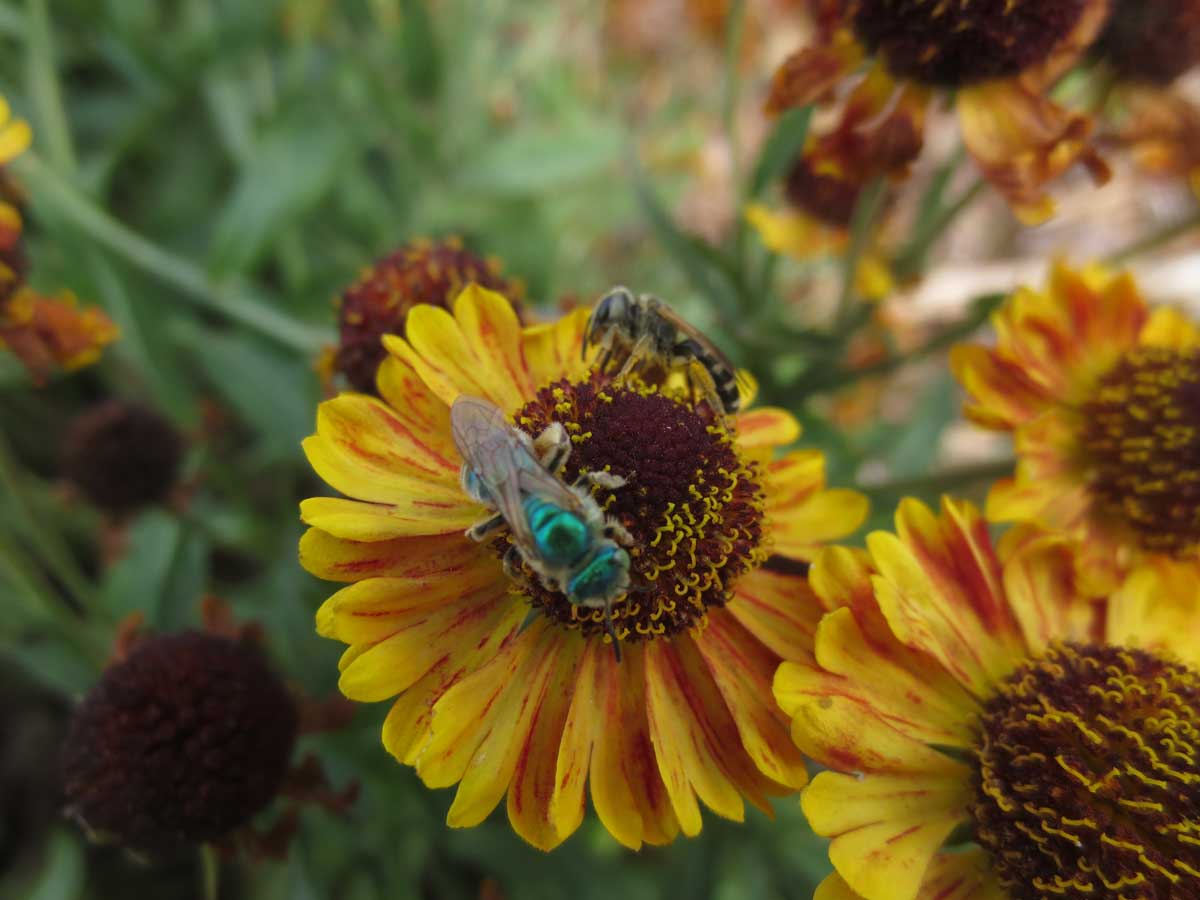
This website is created for anyone who wants to feel great and regain their vitality and zest for life.
It is dedicated to all the people who tried to tell me (Susan) that eating low fat diets was healthier. I respectfully disagree with that statement and maintain that eating chocolate and butter would make everyone a lot less grumpy and argumentive. I aim to support that statement with lots of scientific citations and gifts of extra dark chocolate cookies to those in need.
We do not intend this website to be medical advice. This is for your information only. Please use your own common sense and consult a professional if you need medical help.
By Susan Fluegel PHD Nutritional Biochemistry and Lori Wood MS Human Nutrition.
*Names and some minor identifying details in all stories in this website are changed to protect people's privacy.
This information is for informational purposes only and does not constitute medical advice, diagnosis, or treatment.
References:
Dhakal S, Wang L, Antony L, Rank J, Bernardo P, Ghimire S, Bondra K, Siems C, Lakshmanappa YS, Renu S, Hogshead B, Krakowka S, Kauffman M, Scaria J, LeJeune JT, Yu Z, Renukaradhya GJ. Amish (Rural) vs. non-Amish (Urban) Infant Fecal Microbiotas Are Highly Diverse and Their Transplantation Lead to Differences in Mucosal Immune Maturation in a Humanized Germfree Piglet Model. Front Immunol. 2019 Jul 16;10:1509. doi: 10.3389/fimmu.2019.01509. Full article.
Koski L, Kisselburgh H, Landsman L, Hulkower R, Howard-Williams M, Salah Z, Kim S, Bruce BB, Bazaco MC, Batz MB, Parker CC, Leonard CL, Datta AR, Williams EN, Stapleton GS, Penn M, Whitham HK, Nichols M. Foodborne illness outbreaks linked to unpasteurised milk and relationship to changes in state laws - United States, 1998-2018. Epidemiol Infect. 2022 Oct 25;150:e183. doi: 10.1017/S0950268822001649. Full article.
Macdonald LE, Brett J, Kelton D, Majowicz SE, Snedeker K, Sargeant JM. A systematic review and meta-analysis of the effects of pasteurization on milk vitamins, and evidence for raw milk consumption and other health-related outcomes. J Food Prot. 2011 Nov;74(11):1814-32. doi: 10.4315/0362-028X.JFP-10-269. Full article.
Quilliam RS, Chalmers RM, Williams AP, Chart H, Willshaw GA, Kench SM, Edwards-Jones G, Evans J, Thomas DR, Salmon RL, Jones DL. Seroprevalence and risk factors associated with Escherichia coli O157 in a farming population. Zoonoses Public Health. 2012 Mar;59(2):83-8. doi: 10.1111/j.1863-2378.2011.01430.x. Summary.
Sebastianski M, Bridger NA, Featherstone RM, Robinson JL. Disease outbreaks linked to pasteurized and unpasteurized dairy products in Canada and the United States: a systematic review. Can J Public Health. 2022 Aug;113(4):569-578. doi: 10.17269/s41997-022-00614-y. Full article.