Melatonin May Help Treat Long COVID
Can melatonin help treat Long COVID and other virus infections?
Melatonin is a natural hormone found in all living animals. It is mostly produced in the pineal gland. Melatonin can be taken as a supplement and you can find melatonin in common foods (listed below)! Melatonin may be useful in treating COVID-19 infections and Long COVID.
Research shows melatonin can help treat different viral infections (Boga et al. 2012). Melatonin improves immune cell function while it suppresses harmful inflammatory cytokines such as tumor necrosis factor a (TNF-a), interferon (IFN)-a, interleukin (IL)-6 and IL-8 (discussion Lempesis et al. 2024).
Scientists speculate that the higher levels of melatonin in children may help protect them from COVID-19 (Muhammad et al. 2023). The levels of this hormone decline over the life span.
In people infected with COVID-19, taking melatonin reduced coughing, decreased fatigue, increased sleep quality, and accelerated recovery time. Severely ill patients using melatonin had reduced thrombosis, sepsis, and mortality rate. (Faridzadeh et al. 2022, Lempesis et al. 2024). Melatonin helps heal mitochondrial dysfunction in COVID-19 (Lempesis et al. 2024).
Science Bite: Melatonin fights viruses.
History: Melatonin has been used to treat other viral infections like respiratory syncytial virus (RSV).
Mechanisms:
RSV activates toll-like receptor (TLR3) which promotes nuclear factor kappa B (NF-κB) activity. NF-κB up-regulates inflammatory cytokines.
Melatonin inhibits NF-κB which decreases inflammation (Boga et al. 2012).
In case of viral attack or other cellular damage, cells can be preprogrammed to die (apoptosis) to help protect the organism. Dead cells are safely cleaned up by mechanisms such as autophagy, which degrades viruses while recycling old cell parts (Chen et al. 2023). Melatonin can help modulate both apoptosis and autophagy in viral infections (discussion in Boga et al. 2012).
Melatonin may improve brain power
People with mild cognitive impairment (MCI) who took 3-24 mg melatonin had significantly improved cognitive performance, less depression, and higher quality of sleep/wake rhythm (Cardinali et al. 2012).
Melatonin may improve depression by regulating biological systems. It modulates the creation of new neurons (neurogenesis), the antioxidant system, programmed cell death (apoptosis), and inflammation (Kholghi et al. 2022).
Melatonin may reduce anxiety
Melatonin interacts with the sympathetic nervous system (SNS) to reduce anxiety. It may slow down or prevent SNS activation since it enhances α-aminobutyric acid (GABA) (great chart in Repova et al. 2022). GABA inhibits several pathways that lead to SNS activation.
The sympathetic nervous system (SNS) is activated during stressful or dangerous situations. It prepares the body to fight, flee or freeze. When the SNS is activated it can contribute to acute and chronic stress and in anxiety. The autonomic nervous system, including the SNS, is dysregulated in different anxiety disorders.
In addition, melatonin helps mute the actions of glucocorticoids in many tissues including the brain. This reduced neurotoxicity in rats, suppressed their anxiety like behavior, and decreased corticosterone levels (discussion Repova et al. 2022).
Dosages of 9-15 mg melatonin for 10 days improved mood, decreased anxiety levels, and improved quality of life while decreasing cortisol levels in people who had fibromyalgia (Castaño et al. 2019).
Melatonin saves honeybees exposed to the systemic herbicide glyphosate (the active ingredient in Roundup)
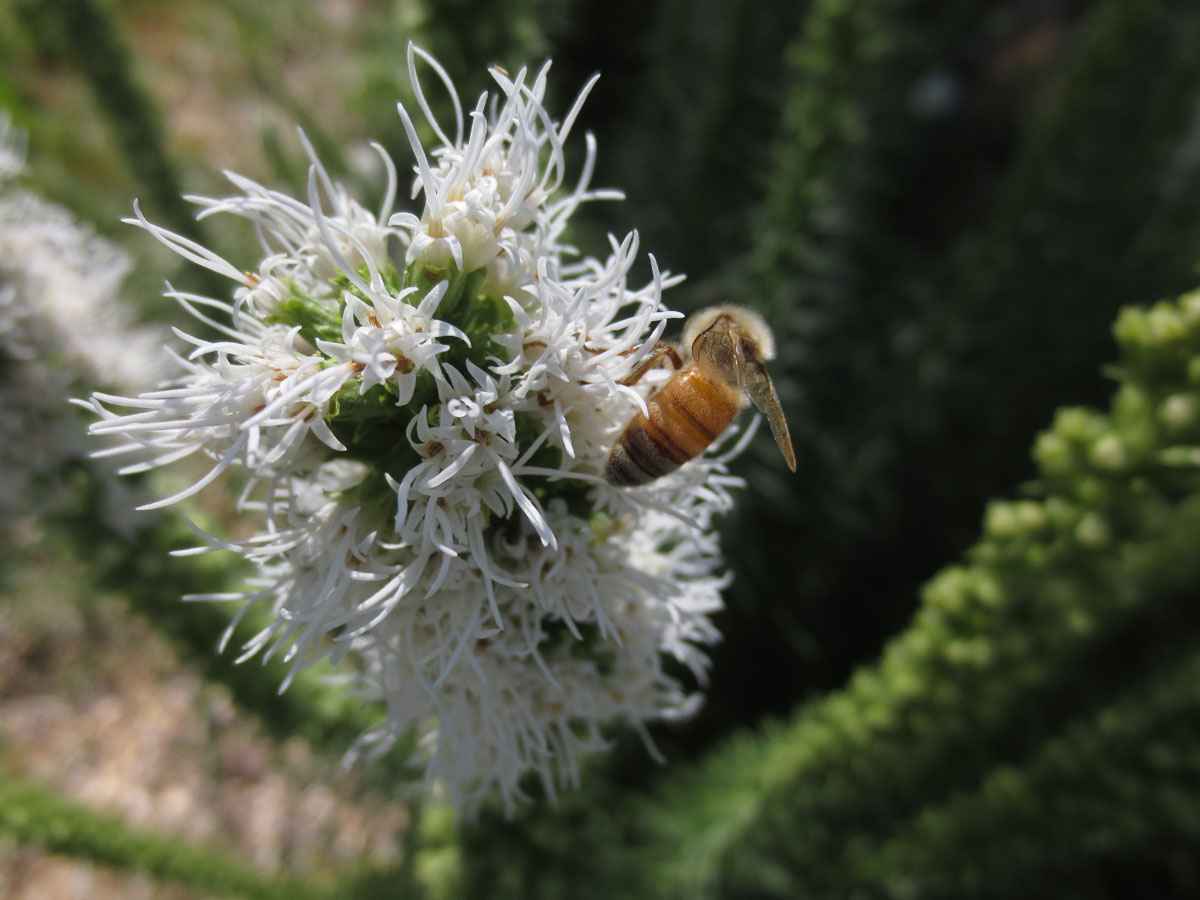
Melatonin significantly improved the survival of honeybees when they were exposed to glyphosate. Glyphosate impacts honeybee growth, foraging behaviors, gut microbiota and cognitive abilities. Glyphosate downregulates metabolites related to bee nutrient metabolism. This can cause malnutrition and stunted growth and development (discussion Fan et al. 2026).
Bees fed melatonin were more likely to survive glyphosate exposure.
Melatonin:
- Upgrades energy synthesis in bees by activating energy metabolism and synthesis pathways such as glycolysis, the citric acid cycle, gluconeogenesis, lipid metabolism and amino acid metabolism
- Increases total antioxidant capacity by improving bee intestinal microbiota
- Regulates bee antioxidant genes
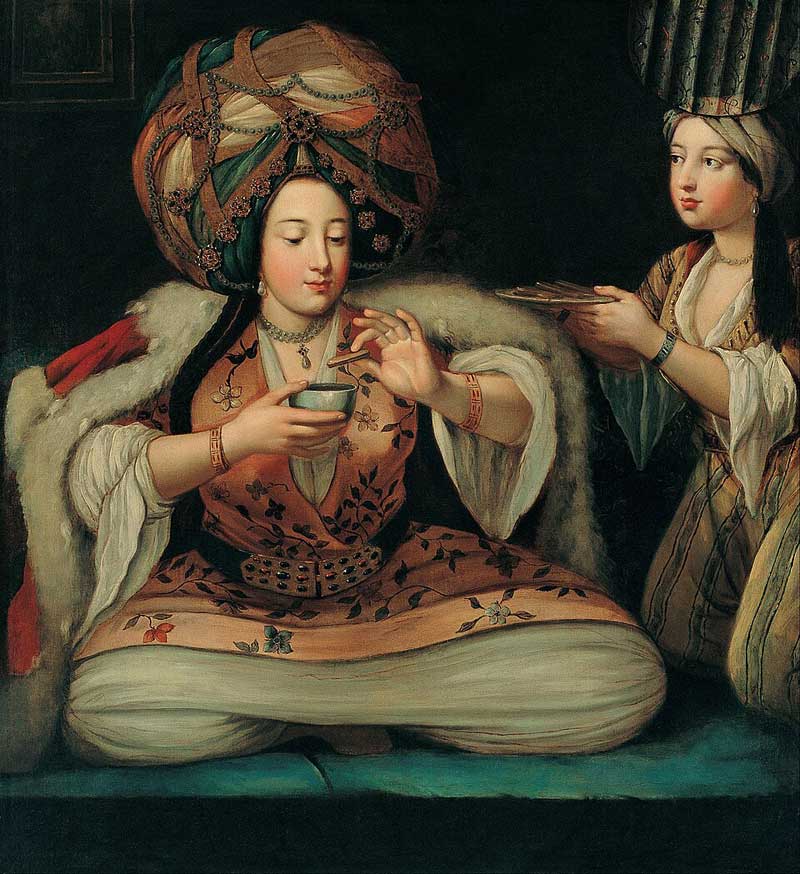
French School - Enjoying Coffee painting by unknown artist the first half of 18th century, oil on canvas. Pera Museum, Istanbul.
Melatonin uses different methods to fight viral infections.
Melatonin reduces inflammatory chemical markers caused by COVID-19 and may tamp down the excessive immune response that fuels harmful cytokine storms (Bahrampour et al. 2020, Faridzadeh et al. 2022). Inflammatory markers are chemicals like C-reactive protein (CRP) that detect or measure the level of inflammation in the body. Melatonin is twice as effective as the antiviral drug remdesivir or the biologic arthritis treatment tocilizumab (Castle et al 2021).
Melatonin is cytoprotective, which means it helps protect cells against harmful agents and anticancer. It inhibits tumor formation at all stages through membrane-independent and membrane-dependent mechanisms. This natural hormone has anti-inflammatory, antioxidant, and immunostimulant effects (Boga et al. 2012, Cardinali et al. 2022, Faridzadeh et al. 2022, Lempesis et al. 2024). It can also neutralize the harmful reactive oxygenated species (ROS) initiated by infections (discussion in Muhammad et al. 2023).
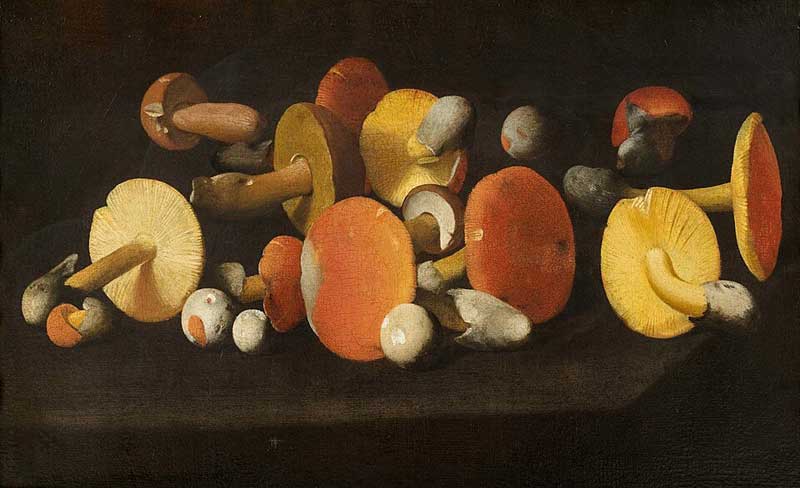
Paolo Porpora - Still life with porcini mushrooms and Caesar's mushrooms on a stone slab 17th century oil on canvas. Mushrooms contain melatonin.
Melatonin suppresses the Warburg effect
Viral infections can cause a shift in the way cells obtain energy. Normally, the healthy cell makes energy in the mitochondria using oxidative phosphorylation. This is the most efficient way to make energy. However, viruses and cancer can cause cells to create energy using glycolysis which occurs in the cytoplasm. This is known as the Warburg effect.
Why is the Warburg effect bad you ask? The Warburg effect generates energy in the cytoplasm. Energy made in the cytoplasm increases inflammation.
In the Warburg effect, cells use aerobic glycolysis to make most or all of their energy. Basically, glucose (sugar) is converted into two pyruvates and energy. Since this occurs in the cytoplasm, it causes an increase in cytoplasmic pyruvate, which increases hypoxia-inducible factor-1a (HIF-1a), NF-κB and other transcription factors promoting inflammation. This process is accelerated in tumour or virus affected cells (Vaupel et al. 2021).
Melatonin reverses the Warburg effect which reduces inflammation (Tian et al. 2021, Cardinali et al. 2022).
Astaxanthin can help reduce inflammation too.
Science Bite: Here is the equation for glycolysis
Glucose (a 6 carbon sugar) + 2 NAD (energy carrying molecules) + 2 ADP +2 inorganic phosphates (Pi) + 2 pyruvate (3C) + 2 NADH (energy carrying molecules) + 2 H+ + 2 net ATP (energy molecule).
Foods containing melatonin:
Older people (557 people 61-77 years old) who ate foods high in melatonin had greater life satisfaction, a decrease in cognitive impairment (they could think better), and higher psychoemotional state (higher quality of life) (Borisenkov et a. 2024).
★ Pistachios: 233,000 ng/g dry weight
★ Roasted coffee beans: 9,600 ng/g dry weight
★ Brewed coffee: 9,600 ng/g per 50 mL (240 mL in 8 oz)
★ Mushrooms, including common white and brown cultivated mushrooms: 4,300-6,800 ng/g dry weight
★ Sprouted lentils: 1,089 ng/g dry weight
★ Black and red rice: 182-212 ng/g dry weight
★ Wheat: 125 ng/g dry weight
★ Oats: 91 ng/g dry weight
★ For a complete list of melatonin naturally occurring in foods see Table 1 Meng et al. 2017
Here is a list of other naturally anti-inflammatory foods.

Precaution: most researchers believe that melatonin is safe for short term use and for use as an antiviral (Lempesis et al. 2024). However, it is a hormone and has been mostly studied in how it affects sleep. Trials are small and scientists are not sure about its effects on multiple organ systems. Melatonin can have side effects which include headache, daytime sleepiness, nausea, dizziness and more (Tuft et al. 2023).
François-Alfred Delobbe - Woman Sifting c1882, oil on canvas.

Definitions:
Cytokine storm: the body reacts to a threat (such as a viral or bacteria infection or an autoimmune reaction) by rapidly dumping cytokines into the blood. This causes a severe immune reaction that can be life threatening. Symptoms include inflammation, fever, fatigue and nausea in mild causes and multiple organ failure in extreme cases.
By Susan Fluegel PHD Nutritional Biochemistry
*Names and some minor identifying details in all stories in this website are changed to protect people's privacy.
This information is for informational purposes only and does not constitute medical advice, diagnosis, or treatment.
References:
Bahrampour Juybari K, Pourhanifeh MH, Hosseinzadeh A, Hemati K, Mehrzadi S. Melatonin potentials against viral infections including COVID-19: Current evidence and new findings. Virus Res. 2020 Oct 2;287:198108. doi: 10.1016/j.virusres.2020.198108. Full article.
Boga JA, Coto-Montes A, Rosales-Corral SA, Tan DX, Reiter RJ. Beneficial actions of melatonin in the management of viral infections: a new use for this "molecular handyman"? Rev Med Virol. 2012 Sep;22(5):323-38. doi: 10.1002/rmv.1714. Full article.
Borisenkov MF, Dorogina OI, Popov SV, Smirnov VV, Pecherkina AA, Symaniuk EE. The Positive Association between Melatonin-Containing Food Consumption and Older Adult Life Satisfaction, Psychoemotional State, and Cognitive Function. Nutrients. 2024 Apr 5;16(7):1064. doi: 10.3390/nu16071064. Full article.
Castaño MY, Garrido M, Rodríguez AB, Gómez MÁ. Melatonin Improves Mood Status and Quality of Life and Decreases Cortisol Levels in Fibromyalgia. Biol Res Nurs. 2019 Jan;21(1):22-29. doi: 10.1177/1099800418811634. Epub 2018 Nov 11. PMID: 30415563. Abstract.
Castle RD, Williams MA, Bushell WC, Rindfleisch JA, Peterson CT, Marzolf J, Brouwer K, Mills PJ. Implications for Systemic Approaches to COVID-19: Effect Sizes of Remdesivir, Tocilizumab, Melatonin, Vitamin D3, and Meditation. J Inflamm Res. 2021 Sep 22;14:4859-4876. doi: 10.2147/JIR.S323356. Full article.
Cardinali DP, Brown GM, Pandi-Perumal SR. Possible Application of Melatonin in Long COVID. Biomolecules. 2022; 12(11):1646. https://doi.org/10.3390/biom12111646 Full article.
Cardinali DP, Vigo DE, Olivar N, Vidal MF, Furio AM, Brusco LI. Therapeutic application of melatonin in mild cognitive impairment. Am J Neurodegener Dis. 2012;1(3):280-91. Full article.
Chen T, Tu S, Ding L, Jin M, Chen H, Zhou H. The role of autophagy in viral infections. J Biomed Sci. 2023 Jan 18;30(1):5. doi: 10.1186/s12929-023-00899-2. Full article.
Cho JH, Bhutani S, Kim CH, Irwin MR. Anti-inflammatory effects of melatonin: A systematic review and meta-analysis of clinical trials. Brain Behav Immun. 2021 Mar;93:245-253. doi: 10.1016/j.bbi.2021.01.034. Full article.
Fan W, Cao J, Liang X, Wang Y, Ge S, Ji T, Liu J. Melatonin as a Potential Dietary Supplement to Counteract Glyphosate-Induced Decline in Honeybee Populations. Insects. 2026 Jan 29;17(2):151. doi: 10.3390/insects17020151. Full article.
Faridzadeh A, Tabashiri A, Miri HH, Mahmoudi M. The role of melatonin as an adjuvant in the treatment of COVID-19: A systematic review. Heliyon. 2022 Oct;8(10):e10906. doi: 10.1016/j.heliyon.2022.e10906. Full article.
Kholghi G, Eskandari M, Shokouhi Qare Saadlou MS, Zarrindast MR, Vaseghi S. Night shift hormone: How does melatonin affect depression? Physiol Behav. 2022 Aug 1;252:113835. doi: 10.1016/j.physbeh.2022.113835. Partial article.
Lempesis, I.G., Georgakopoulou, V.E., Reiter, R.J., & Spandidos, D.A. (2024). A mid-pandemic night's dream: Melatonin, from harbinger of anti-inflammation to mitochondrial savior in acute and long COVID-19 (Review). International Journal of Molecular Medicine, 53, 28. https://doi.org/10.3892/ijmm.2024.5352. Full article.
Meng X, Li Y, Li S, Zhou Y, Gan RY, Xu DP, Li HB. Dietary Sources and Bioactivities of Melatonin. Nutrients. 2017 Apr 7;9(4):367. doi: 10.3390/nu9040367. Full article.
Muhammad M, Nabeel Ahmad, Tripti Negi, Renu Rawal, Nirjara Singhvi, Hina Khatoon, Vijya Laxmi, Om Dubey, Renu Bala Sharma, Ganga Negi, Mohd Ovais; Therapeutic Benefits of Melatonin against COVID-19. Neuroimmunomodulation 22 December 2023; 30 (1): 196 205. https://doi.org/10.1159/000531550. Full article.
Repova K, Baka T, Krajcirovicova K, Stanko P, Aziriova S, Reiter RJ, Simko F. Melatonin as a Potential Approach to Anxiety Treatment. Int J Mol Sci. 2022 Dec 19;23(24):16187. doi: 10.3390/ijms232416187. Full article.
Tan DX, Reiter RJ. Mechanisms and clinical evidence to support melatonin's use in severe COVID-19 patients to lower mortality. Life Sci. 2022 Apr 1;294:120368. doi: 10.1016/j.lfs.2022.120368. Full article.
Tian M, Liu W, Li X, Zhao P, Shereen MA, Zhu C, Huang S, Liu S, Yu X, Yue M, Pan P, Wang W, Li Y, Chen X, Wu K, Luo Z, Zhang Q, Wu J. HIF-1a promotes SARS-CoV-2 infection and aggravates inflammatory responses to COVID-19. Signal Transduct Target Ther. 2021 Aug 18;6(1):308. doi: 10.1038/s41392-021-00726-w. Full article.
Tuft C, Matar E, Menczel Schrire Z, Grunstein RR, Yee BJ, Hoyos CM. Current Insights into the Risks of Using Melatonin as a Treatment for Sleep Disorders in Older Adults. Clin Interv Aging. 2023 Jan 12;18:49-59. doi: 10.2147/CIA.S361519. Full article.
Vaupel P, Multhoff G. Revisiting the Warburg effect: historical dogma versus current understanding. J Physiol. 2021 Mar;599(6):1745-1757. doi: 10.1113/JP278810. Full article.