Being Kind to Yourself is Healthy
To everyone who needs to hear this:
You are a person deserving of kind treatment and love. You are worthy simply by being yourself.
You are made of the stuff of stars. Nearly all the elements found in the human body were made in a star and went through several billion years of supernovas.
Go outside at night and look at your birthright, the stars. Feel the awesomeness of the universe surrounding you and within you. Tell yourself that it is wonderful to be you and be in this moment.
Practicing self compassion increases pleasant emotions like happiness, joy, confidence, alertness and friendliness (momentary positive affect) and decreases unpleasant emotions like angry, disgust, guilt, fear, shame and stress (negative affect) (Mey et al. 2023).
Self compassion includes (concepts from Neff 2009):
1) Treating yourself with kindness and understanding instead of acting critical, harsh, or judgmental toward yourself (basically practicing self-kindness instead of self-judgment).
2) Realizing that all of your experiences are part of the larger human nature and experience. This connects us as human beings instead of isolating us (common humanity instead of isolation).
Think of Billy Joel's song You're Only Human: "You're only human, you're allowed to make your share of mistakes." No one is perfect.
3) Being aware and accepting of painful thoughts, feelings, and circumstances related to human suffering, instead of getting carried away by them (practicing mindfulness vs. over-identification).
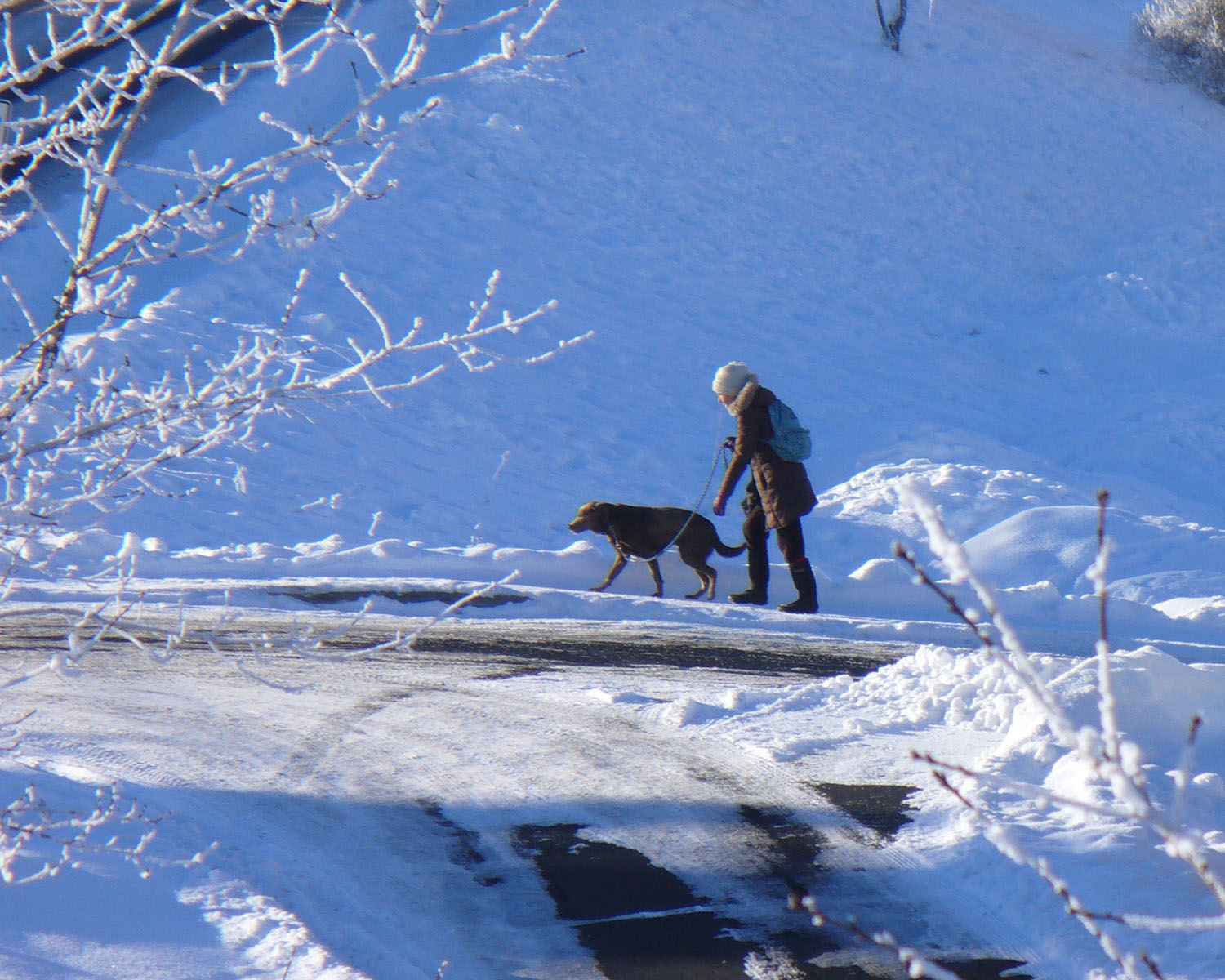
How to be kind to yourself
❉ Speak to yourself with kindness; replace negative statements with positive statements
❉ Do special/fun things for yourself
❉ Compliment yourself; speak kindly to and about yourself
❉ Do self care; pamper yourself and take care of your physical and mental needs
❉ Be grateful for your special talents
❉ Give yourself praise even if it feels funny or weird at first
❉ Set realistic goals for yourself and celebrate progress towards your goals
❉ List your good deeds each day
❉ Listen to and/or make music you love
❉ Smile (any smiling stimulates your amygdala which releases neurotransmitters that encourage positive emotions in the brain)
❉ Don't criticize yourself or use negative statements
❉ Give yourself the grace you give to others
❉ Forgive yourself
❉ Don't make yourself associate with jerks, users, or abusers
❉ If you have extra love and time, consider getting a pet
Childhood abuse (complex childhood post traumatic stress disorder cPTSD) is not your fault.
If you were not loved and/or were mistreated as a child you were failed by the adults in your life. It was not due to anything you did. They should feel bad NOT YOU! You did nothing wrong.
Be kind to yourself:
❉ You do not have to forgive those who have wronged you.
❉ You do not have to keep abusers or toxic people in your life.
❉ You do not have to be responsible for abusers, their feelings, or the feelings of those who support abusers (a particularly odious group).
❉ You do not have to keep quiet about past mistreatment.
Use art and creativity to express your emotions:
❉ If you want to paint a 12 foot mural on a busy street naming and shaming all the crappy people who mistreated you do it!
❉ Write a thinly veiled tell all novel.
❉ Build fantastic sculptures, knit wild blankets, or design incredible websites.
❉ Start a foundation to help children who were in your situation.
❉ Cultivate a green garden indoor or outdoors.
❉ Dress in colors and fabrics that make you happy.
You deserve to be happy:
❉ You deserve to have healthy relationships with people and/or pets.
❉ You deserve to thrive.
❉ You deserve to be happy.
You deserve to have treatment for your mental health:
❉ Explore your options on mental care.
❉ Start treating yourself as if you have a metabolic disorder. Details on how to reduce inflammation, change diet, heal your brain and more are found in this website.
❉ Please consider treatment for cPTSD (or PTSD) if needed. This will help you move forth in life and gain the happiness and peace you deserve.
If you have no access or funds for mental health treatments consider YouTube mental health videos.
❉ Good down to earth mental health advice videos from an expert, Dr. Tracy Marks. She has series of videos to improve different aspects of mental health.
❉ Straight shooting advice from a person who went through a difficult childhood themselves: Crappy Childhood Fairy.
❉ Great advice on processing emotions and mental health, especially anxiety, OCD and stress in yourself and children, from Emma McAdams: Therapy in a Nutshell.
❉ Check out Nathan Peterson; he is an expert on OCD and anxiety, if not in creative site naming, OCD and Anxiety.
❉ If you are a nonconformist or creative person you may prefer the unconventional wisdom and art of struthless. His advice is often spot on and it may encourage your creativity.
❉ Learn about your autism from the people who know, Auticate with Chris & Debby, Autism From The Inside, and Orion Kelly - That Autistic Guy.
These are just a few suggestions; I am not sponsored or affiliated with any of these people. I don't know them personally, I just like their work.
I'm sure there are loads of other great resources out there. I recommend you watch a few mental health videos and find a person who resonates with you!
Santa Fe New Mexico Museum of Art

Weight gain is not caused by lack of motivation.
There is a reason this website does not focus on and rarely addresses weight or weight loss. We want people to be the healthiest and happiest they can be no matter what they weigh.
You are worthy no matter what your weight is right now. Fat is not a moral failing.
Be kind to yourself:
❉ You cannot wish weight or fat away.
❉ Iron clad control over foods often leads to eating disorders.
❉ You need to find a food balance that you can live with over time.
❉ Practicing self-compassion may help prevent disordered eating. Higher amounts of self-criticism is linked with higher levels of disordered eating as well as lower levels of self-compassion (Paranjothy and Wade 2024).
Consider your health:
❉ Excess inflammation makes weight loss harder.
❉ Hormone imbalances can make weight loss difficult as well.
❉ Mitochondrial dysfunctions can reduce energy and cause greater fat storage.
Age and sex can change fat and muscle balance:
❉ People need different diets to rebalance body muscle and fat.
❉ People who were fit in the past will get in shape quicker than someone who has never been fit.
❉ Young men will shed fat and gain muscle more easily than anyone else.
❉ Older women will take more time to build muscle and burn fat.
❉ Older people need to eat more protein to build muscle.
❉ PTSD and cPTSD may be metabolic diseases. The changes PTSD causes in the metabolism, sympathetic nervous system (SNS), and neuroendocrine systems are extremely similar to the changes seen in metabolic disorders, such as diabetes and obesity (Michopoulos et al. 2016). Metabolic disorders increase inflammation and cause weight gain.
Having a chronic health condition is not your fault.
For every person who credits their great health to eating a whole food diet and doing crossfit; there is a person who remains in good health while chugging Mt Dew and sniffing Cheetos. Some people have super mitochondria that allow them to smoke cigars, sit on their butt, gripe about the good old days, and live to 100 plus years happily (or unhappily). Other people do everything right and still feel tired and age quickly due to sickly mitochondria.
You can help yourself no matter your underlining genetics by gradually changing your diet and activity levels to help support health. We have a multitude of webpages here to help you regain your health on your terms.
By Susan Fluegel PHD Nutritional Biochemistry
*Names and some minor identifying details in all stories in this website are changed to protect people's privacy.
This information is for informational purposes only and does not constitute medical advice, diagnosis, or treatment.
References:
Gilgoff R, Mengelkoch S, Elbers J, Kotz K, Radin A, Pasumarthi I, Murthy R, Sindher S, Burke Harris N, Slavich GM. The Stress Phenotyping Framework: A multidisciplinary biobehavioral approach for assessing and therapeutically targeting maladaptive stress physiology. Stress. 2024 Jan;27(1):2327333. doi: 10.1080/10253890.2024.2327333. Full article.
Neff KD. The Role of Self-Compassion in Development: A Healthier Way to Relate to Oneself. Hum Dev. 2009 Jun;52(4):211-214. doi: 10.1159/000215071. Full article.
Nilaweera D, Phyo AZZ, Teshale AB, Htun HL, Wrigglesworth J, Gurvich C, Freak-Poli R, Ryan J. Lifetime posttraumatic stress disorder as a predictor of mortality: a systematic review and meta-analysis. BMC Psychiatry. 2023 Apr 10;23(1):229. doi: 10.1186/s12888-023-04716-w. Full article.
Mey LK, Wenzel M, Morello K, Rowland Z, Kubiak T, Tüscher O. Be Kind to Yourself: the Implications of Momentary Self-Compassion for Affective Dynamics and Well-Being in Daily Life. Mindfulness (N Y). 2023;14(3):622-636. doi: 10.1007/s12671-022-02050-y. Full article.
Michopoulos V, Vester A, Neigh G. Posttraumatic stress disorder: A metabolic disorder in disguise? Exp Neurol. 2016 Oct;284(Pt B):220-229. doi: 10.1016/j.expneurol.2016.05.038. Full article.
Paranjothy SM, Wade TD. A meta-analysis of disordered eating and its association with self-criticism and self-compassion. Int J Eat Disord. 2024 Mar;57(3):473-536. doi: 10.1002/eat.24166. Full article.