Fighting Depression
Are you depressed? Fight back.
There are several types of depression. Depression can be external, internal or both.
External causes of depression
Everyone assumes that depression is internal but external events can play a big role. Your depression may be justified.
Consider your circumstances: Are you stuck at home with three kids under five? Are you in a dead end low paying job? Do you live with a crappy roommate? Is your job sucking your soul away? Are you sick with long COVID? Do you have to take care of grumpy ill people? Is AI stealing your job? Are you spending 12 hours a day on FB and TikTok?
A pill for depression will not cure external problems. It will only numb you.
Maybe your life is not what you want and you need to change it. If your life stinks make an action plan and change it. You need to take control. Even if your choices are all bad, you need to feel empowered to make them. The only way to lift the fog is to start making choices actively.
You may also be stagnating. Sometime you just need to stop thinking and start doing.
Or you may be grieving and need to be kind to yourself. Don't make major decisions if you are grieving. It is OK to be sad.
Internal causes of depression may need professional treatment.
Depression can be internal. There are many neurological and hormonal reasons for depression.
Brain inflammation or brain damage can cause depression. Yes, an inflamed brain can cause depression, anxiety, OCD, dementia and a host of other mental illnesses.
Excess stress, stress hormones and/or a dysregulated nervous system can cause anxiety and depression. Sometimes people need medical and/or professional help to fight their depression. There is no shame in needing help.
Important: if you feel suicidal please call someone for help and get treatment.
So what can you do to help prevent or reduce depression, anxiety and/or psychological distress?
★ Physical activity and exercise
★ Stop eating processed junk food
★ Make an action plan to change your life
Does exercise make your physical symptoms worse? Check out symptoms of exercise intolerance and how to beat it here.
'Wilde reclining with Poems' by Napoleon Sarony (1821-1896). Photo taken in New York (1882).
-in-New-York,-1882.-Picture-by-Napoleon-Sarony.jpg)
Being active reduces depression and anxiety
Activity reduces anxiety and depression
Change your life in 22 minutes a day. A large meta-analysis (191,130 people) found that you only need 2.5 hours of brisk walking a week (or a similar exercise) to reduce your risk of depression. This was dose dependant and even small amounts of activity helped (Pearce et al. 2022).
There is no minimum threshold you have to reach with activity. Even 1 minute of movement will give you health benefits.
Bonus: listen to music, a book or a podcast while walking for a refreshing break. Use only one earbud or a bone conducting earphones if in a crowded area to keep an ear out for potential dangers.
Another large meta-analysis (128,119 women and men, age from 29-86 years) found that exercise was effective for reducing mild to moderate anxiety, depression and/or psychological distress (Singh et al. 2023). Exercise worked for healthy people, people with chronic illnesses, and people with diagnosed mental illness.
Li et al. 2024 found that short sessions (less than 40 min) and long sessions (more than 40 min) of aerobic exercise; running, cycling, treadmill walking, or swimming; improved depressive symptoms in depressed and non-depressed young people (658 people, 18-35 years old). I found it interesting that activity made non-depressed people even happier.
Aerobic exercises; like walking, cycling and dancing; reduce systemic or whole body inflammation. Middle aged men and women (42 people, 30-59 years old) with hypertension who did 12 weeks of aerobic training had decreased markers of inflammation (C-reactive protein, vascular cell adhesion molecule-1, monocyte chemoattractant protein-1, and lectin-like oxidized LDL receptor-1) and endothelin-1 compared to control and resistance training. Aerobic exercise also increased nitrite and nitrate levels (P < 0.05).(Boeno et al. 2020).
Exercise may reduce depression by increasing motivation (and dopamine)
People with depression often have impaired motivation. They are less willing to put in the effort to get a reward or complete a task. This condition is called anhedonia and it is associated with reduced dopamine production.
Exercise and physical activity simultaneously reduces inflammation and enhances dopamine transmission (Marques et al. 2021). This double exercise boost seems to improves interest-activity symptoms of depression; like anhedonia, fatigue and subjective cognitive impairment; by increasing the tendency to put forth effort (concept introduced and discussed in Hird et al. 2024).
Inflammation can reduce dopamine transmission. Dopamine influences several important pathways in the body:
1) the reward pathway that gives you pleasure and helps reinforce behavior (the mesolimbic pathway in the brain);
2) the prefrontal cortex (mesocortical dopamine pathway) which is involved with higher cognitive functions, including attention, working memory, and executive control;
3) the nigrostriatal pathway which controls muscle control and movement initiation; and
4) the tuberoinfundibular pathway which influences and regulates hormones.
All types of physical activity are effective; including mixed exercise, aerobic, resistance and yoga.
Use high intensity interval training (HIIT) to curb depression and anxiety
Short bursts of moderate and high intensity activity worked better than longer sessions of low intensity exercise to curb depression and anxiety (Singh et al. 2023). This is commonly called high intensity interval training (HIIT). It involves a 5-60 second burst of moderate to high intensity activity followed by a longer rest or slow intensity period. For example, you may sprint for 20 seconds followed by 2 minutes of walking.
Lift weights to reduce depression
Resistance exercise, such as lifting weights or using your body weight to work your muscles, worked best for depression (Singh et al. 2023). Examples of resistance exercises include: lunges, push ups, chin ups, squats, resistance bands, planks, medicine balls, free weights and weight machines. This may be due to the myokines produced when you move your muscles. Myokines, such as brain derived neurotrophic factor (BDNF) and irisin, super charge your brain and may help with depression and anxiety.
Use your mind and body to reduce anxiety
Mind-body exercises such as yoga, swimming, pilates, tai chi, qigong or gardening work well to combat anxiety (Singh et al. 2023).
Physical activity reduces whole body inflammation, increases the availability of neurotransmitters like serotonin and norepinephrine, and helps regulate hypothalamic-pituitary-adrenal (HPA) axis activity.
Your brain can be trained just like your body. Brain exercises can decrease depression and strengthen mental skills.
Eat fruits and veggies to be happier
Eating more fruits and vegetables, especially berries, citrus, and green leafy vegetables, seem to protect against depression while increasing optimism and self-efficacy (Głąbska et al. 2020).
The Dessert by Pierre Bonnard 1921.

The time you eat your meals may influence your mental health
A small study found that in people who eat at night, depression-like mood levels increased by 26% and anxiety-like mood levels increased by 16% when compared to daytime eaters (Qian et al. 2022). Nighttime eating also decreases glucose tolerance - which can cause prediabetes (Chellappa et al. 2021).
Interestingly, both the decline in mental health and the glucose intolerance can be prevented, even in people who work at night, by eating only during daylight hours.
Eating processed foods can foster depression and anxiety
Put that donut down and back away slowly. Those sugary treats promising you that they will make you feel better are lying to you!
People of all ages (10,359 respondents in study) who eat more ultra-processed foods are more likely to report mild depression, more mentally unhealthy or anxious days and less likely to have zero mentally unhealthy or anxious days when compared to those who eat less ultra-processed foods (Hecht et al. 2022).
A ten year study found that eating processed foods with a lack of physical activity increased increased the risk of depression (14,907 Spanish university graduates with an average age of 36 years) (Gomez-Donoso et al. 2020).
Another study enlisted 20,380 women and 6350 men (aged 18-86 years) without any depressive symptoms. At the end of five years there were 2221 cases of depressive symptoms. After accounting for other risk factors, the more ultra-processed food a person consumed the more likely they were to become depressed (Adjibade et al. 2019).
Samuthpongtorn et al. 2023 looked at the eating habits of a group of 31,712 women (42-62 years at baseline) from the Nurses’ Health Study II between 2003 and 2017. Women who ate more ultra-processed foods had a higher BMI, higher smoking rates, and an increased incidence of diabetes, hypertension (high blood pressure), and dyslipidemia. They also exercised less. The women had a 49% greater incidence of depression compared to women who ate the least processed foods.
In addition, women who drank the most artificially sweetened beverages had a 37% higher rate of depression compared to those who consumed the least. Those who consumed the most artificial sweeteners had a 26% greater incidence of depression compared to those who consumed the least.
Lane et al. 2022 also found an association between eating ultra-processed foods and poor mental health. Higher intake of ultra-processed foods increased the risk of depression and anxiety symptoms (385,541 women and men). Eating more junk food also increased the risk of depression in the future!
Replace processed foods with healthy substitutes to reduce depression risk.
Painting below: Alexandra Exter (1882-1949) The Music Lesson.

Depressed? Use music to modulate your mood
Active music therapy provided by a music therapist improves depression in older adults (1,144 women and men, mean age 68-89 years old). (Dhippayom et al. 2022). People who had at least 1 hour of music therapy a week with a qualified Music Therapist reduced signs of depression. Certified Music Therapists (CMT) use music to work towards specific non-musical therapeutic goals, like reducing symptoms of depression, improving communication skills, reducing anxiety, and managing pain. In many cases people selected their preferred music. CMTs often used instruments, live music and group singing (Leubner and Hinterberger 2017).
The study authors suggested that people without access to a music therapist listen to at least 1 hour of their favorite music a week. Listening to a half hour of music a day is particularly helpful.
Another review (28 studies, 1810 people) found that people over 60 years old had large improvements in their depression symptoms when they either listened to music or took place in a music therapy project. This included an increase in confidence, increase in self-esteem, improved resilience to withstand stress, and greater motivation to engage in life. Younger people also showed a positive change, in particular if they attended a group music session. Both men and women showed improvement with music therapy. the best results were with music sessions of at least one hour and a treatment of at least 4-8 weeks (Leubner and Hinterberger 2017).
Listening to some types of sad music when you feel depressed can improve mood. People use sad music, more than other types of music, to retrieve memories of important past events; regulate negative emotions and mood; and to initiate feelings of connectedness and comfort (Taruffi and Koelsch 2014). The same study showed that people listening to sad music reported feelings of nostalgia, peacefulness, tenderness, transcendence, and wonder. All of these emotions may help counter depression and despair.
Sad music may do this by activating different parts of the brain; specifically the caudate nucleus, the thalamus and the parahippocampal gyrus (discussion in Sachs et al. 2015).
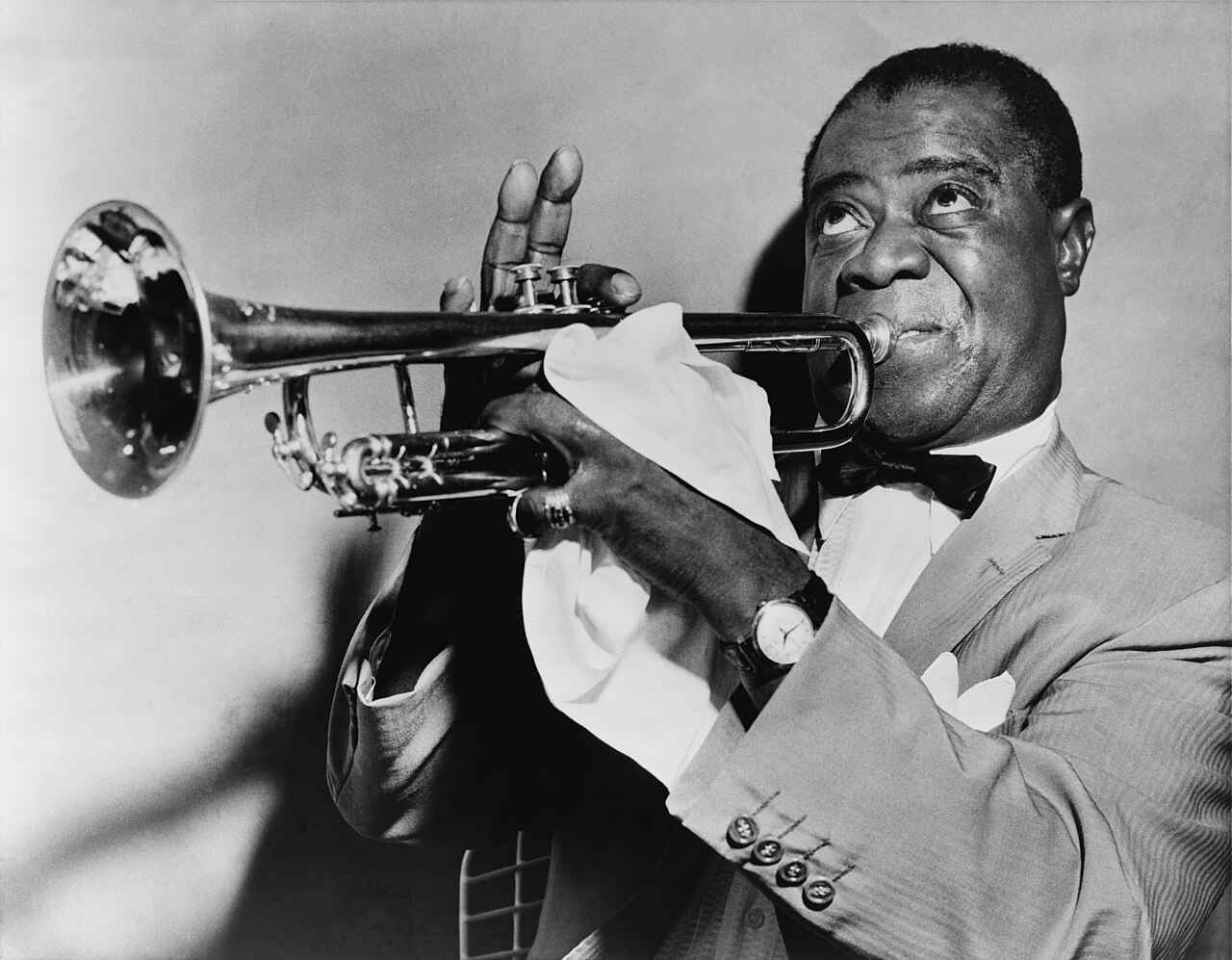
Below: Louis Armstrong, an extremely influential jazz trumpeter and vocalist from New Orleans (photo from 1953).
Tools to fight depression
- Start a routine
- Set manageable realistic goals
- Be active (exercise)
- Eat an anti-inflammatory diet
- Challenge and change your thinking
- Make sleep a priority
- Spend time in nature
- Do or learn something new
- Join a group to socialize
- Volunteer to help someone else
- Unplug from the internet
- Say no to other people wasting your time
- Stop feeling guilty about religious or spiritual trauma (if needed get therapy)
- Try a dopamine fast
- Practice being mindful
- Pour out the alcohol and nix recreational drugs
- Act like a kid and do something you love
- Take vitamin D and magnesium
If you need help seek a doctor and/or therapist.
If you feel suicidal seek help. Click here for more information.
If your life stinks, change it! Be the person Mr. Rogers would want you to be: your best self.
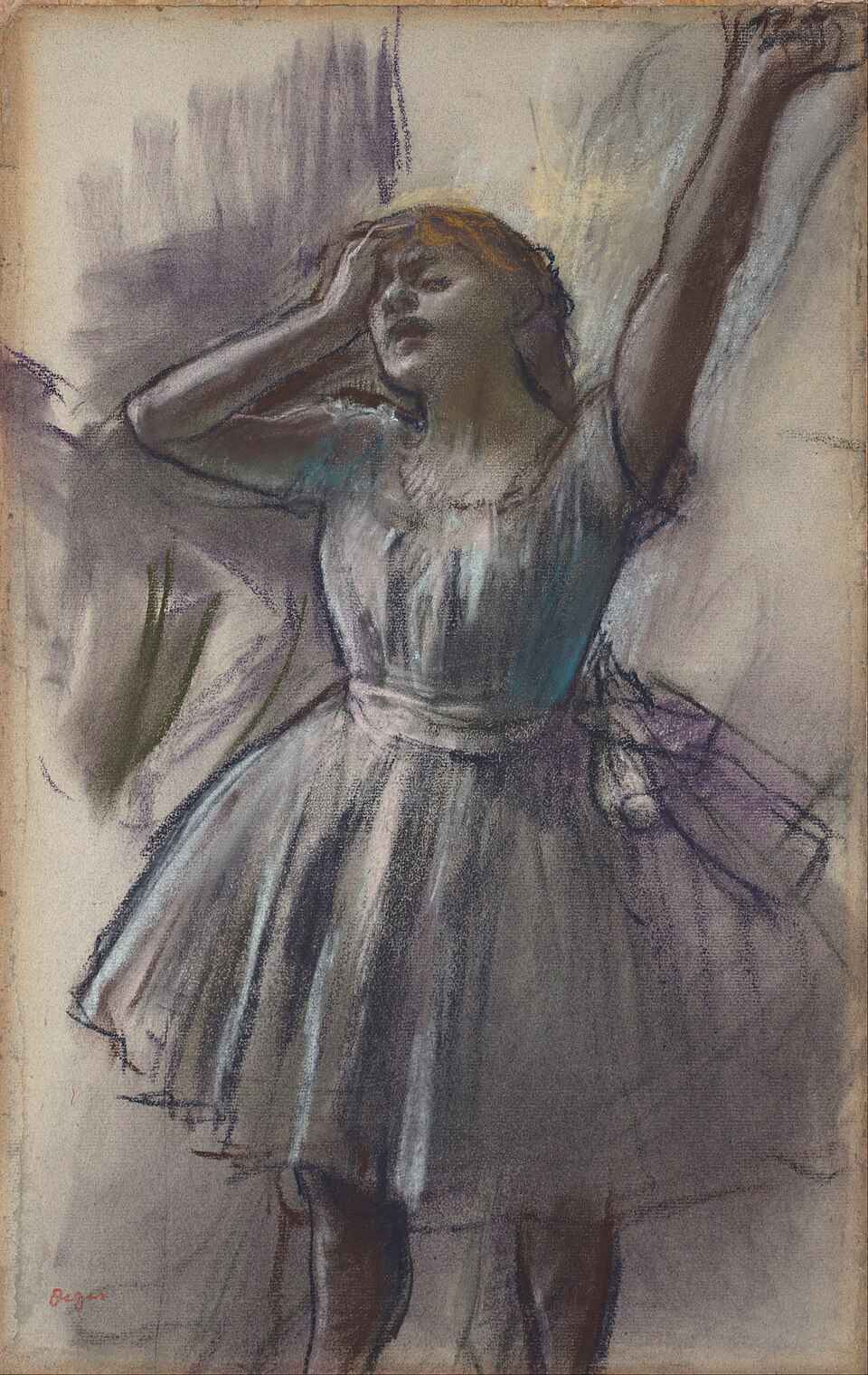
Edgar Degas - Dancer Stretching c1882-85 drawing.
Magnetic pulse treatment reversed depression in hard to treat people
Stanford accelerated intelligent neuromodulation therapy (SAINT) also called Stanford neuromodulation therapy, is an extremely intensive, individualized form of transcranial magnetic stimulation. In a small double blind randomized trial, 79% of participants treated with SAINT were no longer depressed (Cole et al. 2021).
SAINT uses magnetic pulses to targets an area of the brain where the dorsolateral prefrontal cortex is interacting with the subgenual cingulate. The dorsolateral prefrontal cortex regulates executive functions, like problem solving and inhibiting unwanted responses. The subgenual cingulate is a part of the brain that is overactive in people with depression. Basically, this treatment strengthens the connection between the two brain areas which allows the prefrontal cortex to take control of the subgenual cingulate and regulate it properly.
Read more about Stanford neuromodulation therapy. If you are interested in participating in a study, contact sainttmsstudy@stanford.edu.
Repetitive Transcranial Magnetic Stimulation (rTMS) improved some of the negative symptoms of treatment resistant depression, schizophrenia, bipolar disorder, Tourette disorder, movement disorders, generalize anxiety disorders, obsessive-compulsive disorder (OCD), chronic pain disorders, and PTSD (Kumar et al. 2020, Kan et al. 2020). Applying rTMS alleviated cognitive impairments, anxiety and depression, brought on by 24 hours lack of sleep (Li et al 2021). This technique produces high and low-intensity magnetic fields which stimulates deep brain regions and modulates cortical excitability. Cortical excitability is the amount of neuronal activation in specific brain regions (Mann and Malhi 2025).
By Susan Fluegel PHD Nutritional Biochemistry
*Names and some minor identifying details in all stories in this website are changed to protect people's privacy.
This information is for informational purposes only and does not constitute medical advice, diagnosis, or treatment.
References:
Adjibade M, Julia C, Allès B, Touvier M, Lemogne C, Srour B, Hercberg S, Galan P, Assmann KE, Kesse-Guyot E. Prospective association between ultra-processed food consumption and incident depressive symptoms in the French NutriNet-Santé cohort. BMC Med. 2019 Apr 15;17(1):78. doi: 10.1186/s12916-019-1312-y. Full article.
Boeno FP, Ramis TR, Munhoz SV, Farinha JB, Moritz CEJ, Leal-Menezes R, Ribeiro JL, Christou DD, Reischak-Oliveira A. Effect of aerobic and resistance exercise training on inflammation, endothelial function and ambulatory blood pressure in middle-aged hypertensive patients. J Hypertens. 2020 Dec;38(12):2501-2509. doi: 10.1097/HJH.0000000000002581. Summary.
Chellappa SL, Qian J, Vujovic N, Morris CJ, Nedeltcheva A, Nguyen H, Rahman N, Heng SW, Kelly L, Kerlin-Monteiro K, Srivastav S, Wang W, Aeschbach D, Czeisler CA, Shea SA, Adler GK, Garaulet M, Scheer FAJL. Daytime eating prevents internal circadian misalignment and glucose intolerance in night work. Sci Adv. 2021 Dec 3;7(49):eabg9910. doi: 10.1126/sciadv.abg9910. Full article.
Cole EJ, Phillips AL, Bentzley BS, Stimpson KH, Nejad R, Barmak F, Veerapal C, Khan N, Cherian K, Felber E, Brown R, Choi E, King S, Pankow H, Bishop JH, Azeez A, Coetzee J, Rapier R, Odenwald N, Carreon D, Hawkins J, Chang M, Keller J, Raj K, DeBattista C, Jo B, Espil FM, Schatzberg AF, Sudheimer KD, Williams NR. Stanford Neuromodulation Therapy (SNT): A Double-Blind Randomized Controlled Trial. Am J Psychiatry. 2022 Feb;179(2):132-141. doi: 10.1176/appi.ajp.2021.20101429. Abstract. Read a summary here.
Dhippayom T, Saensook T, Promkhatja N, Teaktong T, Chaiyakunapruk N, Devine B. Comparative effects of music interventions on depression in older adults: A systematic review and network meta-analysis. EClinicalMedicine. 2022 Jul 1;50:101509. doi: 10.1016/j.eclinm.2022.101509. Full article.
El Assar M, Álvarez-Bustos A, Sosa P, Angulo J, Rodríguez-Mañas L. Effect of Physical Activity/Exercise on Oxidative Stress and Inflammation in Muscle and Vascular Aging. Int J Mol Sci. 2022 Aug 5;23(15):8713. doi: 10.3390/ijms23158713. Full article.
Głąbska D, Guzek D, Groele B, Gutkowska K. Fruit and Vegetable Intake and Mental Health in Adults: A Systematic Review. Nutrients. 2020 Jan 1;12(1):115. doi: 10.3390/nu12010115. Full article.
Gómez-Donoso C, Sánchez-Villegas A, Martínez-González MA, Gea A, Mendonça RD, Lahortiga-Ramos F, Bes-Rastrollo M. Ultra-processed food consumption and the incidence of depression in a Mediterranean cohort: the SUN Project. Eur J Nutr. 2020 Apr;59(3):1093-1103. doi: 10.1007/s00394-019-01970-1. Summary.
Hecht EM, Rabil A, Martinez Steele E, Abrams GA, Ware D, Landy DC, Hennekens CH. Cross-sectional examination of ultra-processed food consumption and adverse mental health symptoms. Public Health Nutr. 2022 Nov;25(11):3225-3234. doi: 10.1017/S1368980022001586. Full article.
Hird EJ, Slanina-Davies A, Lewis G, Hamer M, Roiser JP. From movement to motivation: a proposed framework to understand the antidepressant effect of exercise. Transl Psychiatry. 2024 Jul 4;14(1):273. doi: 10.1038/s41398-024-02922-y. Full article.
Kan RLD, Zhang BBB, Zhang JJQ, Kranz GS. Non-invasive brain stimulation for posttraumatic stress disorder: a systematic review and meta-analysis. Transl Psychiatry. 2020 May 28;10(1):168. doi: 10.1038/s41398-020-0851-5. Full article.
Kumar N, Vishnubhatla S, Wadhawan AN, Minhas S, Gupta P. A randomized, double blind, sham-controlled trial of repetitive transcranial magnetic stimulation (rTMS) in the treatment of negative symptoms in schizophrenia. Brain Stimul. 2020 May-Jun;13(3):840-849. doi: 10.1016/j.brs.2020.02.016. Full article.
Leubner D, Hinterberger T. Reviewing the Effectiveness of Music Interventions in Treating Depression. Front Psychol. 2017 Jul 7;8:1109. doi: 10.3389/fpsyg.2017.01109. Full article.
Li W, Liu Y, Deng J, Wang T. Influence of aerobic exercise on depression in young people: a meta-analysis. BMC Psychiatry. 2024 Aug 20;24(1):571. doi: 10.1186/s12888-024-06013-6. Full article.
Li S, Zhou H, Yu Y, Lyu H, Mou T, Shi G, Hu S, Huang M, Hu J, Xu Y. Effect of repetitive transcranial magnetic stimulation on the cognitive impairment induced by sleep deprivation: a randomized trial. Sleep Med. 2021 Jan;77:270-278. doi: 10.1016/j.sleep.2020.06.019. Full article.
Lane MM, Gamage E, Travica N, Dissanayaka T, Ashtree DN, Gauci S, Lotfaliany M, O'Neil A, Jacka FN, Marx W. Ultra-Processed Food Consumption and Mental Health: A Systematic Review and Meta-Analysis of Observational Studies. Nutrients. 2022 Jun 21;14(13):2568. doi: 10.3390/nu14132568. Full article.
Mann SK, Malhi NK. Repetitive Transcranial Magnetic Stimulation. [Updated 2023 Mar 6]. In: StatPearls [Internet]. Treasure Island (FL): StatPearls Publishing; 2025 Jan Available from: Full source.
Marques A, Marconcin P, Werneck AO, Ferrari G, Gouveia ÉR, Kliegel M, Peralta M, Ihle A. Bidirectional Association between Physical Activity and Dopamine Across Adulthood-A Systematic Review. Brain Sci. 2021 Jun 23;11(7):829. doi: 10.3390/brainsci11070829. Full article.
Pagliai G, Dinu M, Madarena MP, Bonaccio M, Iacoviello L, Sofi F. Consumption of ultra-processed foods and health status: a systematic review and meta-analysis. Br J Nutr. 2021 Feb 14;125(3):308-318. doi: 10.1017/S0007114520002688. Full article.
Pearce M, Garcia L, Abbas A, Strain T, Schuch FB, Golubic R, Kelly P, Khan S, Utukuri M, Laird Y, Mok A, Smith A, Tainio M, Brage S, Woodcock J. Association Between Physical Activity and Risk of Depression: A Systematic Review and Meta-analysis. JAMA Psychiatry. 2022 Jun 1;79(6):550-559. doi: 10.1001/jamapsychiatry.2022.0609 Full article.
Sachs ME, Damasio A, Habibi A. The pleasures of sad music: a systematic review. Front Hum Neurosci. 2015 Jul 24;9:404. doi: 10.3389/fnhum.2015.00404. Full article.
Samuthpongtorn C, Nguyen LH, Okereke OI, et al. Consumption of Ultraprocessed Food and Risk of Depression. JAMA Netw Open. 2023;6(9):e2334770. doi:10.1001/jamanetworkopen.2023.34770. Full article.
Singh B, Olds T, Curtis R, Dumuid D, Virgara R, Watson A, Szeto K, O'Connor E, Ferguson T, Eglitis E, Miatke A, Simpson CE, Maher C. Effectiveness of physical activity interventions for improving depression, anxiety and distress: an overview of systematic reviews. Br J Sports Med. 2023 Feb 16:bjsports-2022-106195. doi: 10.1136/bjsports-2022-106195. Full article.
Taruffi L, Koelsch S. The paradox of music-evoked sadness: an online survey. PLoS One. 2014 Oct 20;9(10):e110490. doi: 10.1371/journal.pone.0110490. Full article.
Qian J, Vujovic N, Nguyen H, Rahman N, Heng SW, Amira S, Scheer FAJL, Chellappa SL. Daytime eating prevents mood vulnerability in night work. Proc Natl Acad Sci U S A. 2022 Sep 20;119(38):e2206348119. doi: 10.1073/pnas.2206348119. Full article.