Brain Regeneration Starter Kit
Are you tired of fuzzy thinking, lack of emotional control, and poor memory?
Three causes of brain damage
1) Brain damage can be caused by brain inflammation. You can't see brain inflammation but you do experience the results.
When your brain is inflamed it can affect you: your personality, your moods, your energy and everything that makes up YOU! People with neuroinflammation can be tired, depressed, confused, anxious and moody.
2) Brain damage can be caused by physical damage to the brain.
A stroke can kill brain cells by blocking their blood supply. Concussions can bruise and batter brain tissue. Viruses can leave a trail of destroyed cells behind them. Physical damage can cause short term and long term problems with thinking, emotions and movement. It can also lead to
3) Brain damage can be caused by emotional trauma. Emotional distress may be able to cause mitochondrial disfunction. Ill mitochondria spew out inflammatory chemicals called reactive oxygen species (ROS). Mental distress can influence both mitochondria and the nervous system.
Do you want to get your brain working again (or for the first time)?
Read on to reboot your brain.
Signs your brain may need healing:
✽ Gut feeling that something is wrong or 'not quite normal'
✽ Traumatic brain injury (TMI)
✽ Metabolic disorders such as type 2 diabetes (T2D), hypertension, and fatty liver
✽ Post-traumatic stress disorder (PTSD) or complex post-traumatic stress disorder (cPTSD)
✽ Dementia
✽ Autoimmune disorders
✽ Depression, bipolar, or other mental health issues
✽ Current or previous virus infection(s) including COVID-19
✽ Long COVID can cause brain injury or vice versa
✽ Inflammatory disorders like arthritis, digestive tract issues, and others
✽ Some flavor of neurodiversity like autism spectrum disorder (ASD), dyslexia, dyscalculia, dyspraxia (movement and speech disorders), attention deficit hyperactivity disorder (ADHD) or others.
*Pat D: "I was dealing with the cPTSD. It wasn't fun but I could function. After I got COVID my life fell to pieces and I couldn't fit the cracks together anymore. COVID turned into Long COVID and all the crap from my childhood started bothering me again. My coping strategies no longer work. I am angry all the time and my forehead feels hot. I just feel like breaking something or punching a wall."
Six actions to help your brain regenerate:
Don't despair! Take action to heal your brain.
There is good news. Brains are not static; brain cells can heal and relearn new tasks. Your brain can recover and bounce back even better.
Did you know that brain cells can revert back to an immature developmental state to heal themselves (Poplawski et al. 2020)? Basically, injured brain cells go back to being babies again just so that they can regrow into healthy adult cells.
This healing and learning applies to both neurotypical and neurodiverse brains! No matter how your brain functions you can help it function more efficiently for you.
1) Reduce the amount of overall inflammation in your body.
An inflamed body causes an inflamed brain. Sounds scary, doesn't it? During chronic inflammation glial cells are activated and turn into amateur immune cells. Inflammation also causes regular immune cells to flood the brain. Even though they are necessary, these immune cells do a lot of damage. Imagine a scene from an Beverly Hills Cops where the police rush in to confront the bad guys only to destroy half the town in a shoot them up chase. The police are your immune cells; they come busting in to hunt for shady actors. Only problem is that they are over eager and under trained. They sometimes bust open the wrong door and cause collateral damage to innocent body cells. This causes additional inflammation.
Brain inflammation can take reward circuitry offline to conserve brain energy (Nakajima et al. epub 2025).
Brain inflammation can be caused by: viral infections like COVID-19 or Lymes disease, metabolic disorders, autoimmune diseases, mental stress, lifestyle and inflammation spreading from peripheral organs (Sun et al. 2022).
Signs of brain inflammation include: poor memory, brain fog (inability to think clearly), aggression, paranoia, problems sleeping, inability to make decisions, inability to learn, poor coordination, loss of balance, inability to focus, obsessive behavior and more.
Start reducing inflammation in your body and brain with the right diet.
Body inflammation can trigger brain inflammation.
Science Bite: Eat more colorful foods to prompt brain repair.
Colorful fruits, vegetables, and berries contain dietary polyphenols called flavonoids which help grow new brain cells. They do this by adjusting neuronal signaling pathways essential to initiate adult neurogenesis (creating new neurons) (Davinelli et al. 2023).
Astaxanthin can increase neurogenesis in adult brains and may slow brain aging (Medoro et al. 2023). Astaxanthin is a dark red carotenoid pigment extracted from a microalga Haematococcus pluvialis. It is found in pink salmon, trout, red rockfish and other red/pink fish, red algae, crawfish, lobster and shrimp. It is also available as a supplement.
2) Recipe for a better brain:
Combine a cup of physical activity; add a half cup of training for new tasks or gaining new skills; pour in a tablespoon of physical affection; and mix it all together in an enriched environment.
Increase brain cells by giving yourself an enriched environment.
Your brain thrives on novelty and problem solving. It doesn't want to lay in bed scrolling through random boring Tik Toks written and read by AI voices; it wants to learn. At least scroll through stuff that enriches your brain - you have a whole internet full of cool stuff to master.
Don't you want to learn how to forge, animate a story, build a deck, do freestyle dancing with your dog (look it up), master spreadsheets, or paint murals? Or spend some time making creative YouTube videos instead of watching Tik Tok shorts (no Tide Pod type challenges please; find something that interests you).
Environmental enrichment increases the number and size of brain neurons, as well as increases blood capillaries, mitochondria, metabolic activity, and dopamine in the brains of animals. It increases glial cell density to aid in brain repair. Animals exposed to more novelty are more optimistic, less impulsive, less likely to have addictive behavior, and better learners (discussion in Zentall 2021).
Your brain cells are even designed to acquire new skills. Learning forges new connections and enables your brain to devise work arounds in damaged brain areas.
If 800,000 human brain cells in a dish can learn to play a tennis like video game called Pong in 5 minutes, what can your whole brain with 171 BILLION cells do? Seriously, almost all of us are under utilizing this remarkable structure.
Briton Rivière Compulsory Education 1887 oil on canvas.

Even human brain cells in a petri dish want to learn.
Researchers taught a group of 800,000 neurons how to play the classic arcade game Pong. Kagan et al. 2022 created a system called DishBrain, where actual human brain cells were embedded in a simulated game world. The cells learned to work together in an intelligent and sentient manner to play the game.
It took the brain cells only 5 minutes of game time to start learning the basic rules of Pong. So how did they teach the cells? Cells were given feedback using electrical stimulus. Correct moves were rewarded with structured patterns of electrical activity and incorrect moves were deterred with unpredictable bursts of electrical activity.
It turns out that human neurons, like human brains, prefer to see patterns in their surroundings.
Moving helps brain cells grow and change.
Sitting all the time is bad for the brain. Physical activity of any type stimulates new brain cell development and growth. All types of exercise are beneficial for brain plasticity and cognitive function. This includes fun activities like hiking, sports, bird watching, walking, random hopping, mastering those great Australian break dancing moves, or whatever floats your boat. Just move it.
One way exercise stimulates brain growth is through neurotrophins such as brain derived neurotrophic factor (BDNF). Neurotrophins are protein growth factors that influence how neuron and other cells grow, divide and survive (de Sousa Fernandes et al. 2020). Exercise increases the expression of BDNF (Sleiman et al. 2016). BDNF is like fertilizer for your brain. Sprinkle some on and watch it grow.
In particular, resistance training (like weight training) has a significant effect on brain neuroplasticity, which is the ability of the brain to change due to experience. High neuroplasticity allows neural networks in the brain to change by growing and reorganizing their structure, functions, and/or connections (de Sousa Fernandes et al. 2020, Ben-Zeev et al. 2022). You want to be able to adapt and change.
Blue Box of Science:
Physical activity increases neuroplasticity; the brain's ability to change.
Exercise controls the production of neurotrophic factors and their receptors. Neurotrophic factors are growth factors that influence brain cell survival, proliferation, development, and function.
Neurotrophic factors enhanced by exercise include:
Brain-derived neurotrophic factor (BDNF) is miracle grow for the brain. Sprinkle a little of this fertilizer on your noggin and watch it grow! BDNF and its receptor, tyrosine receptor kinase B (TrkB), enhances the ability of adult brains to change and learn. It increases the ability of the brain to create and store memories. BDNF increases the size, number and complexity of dendrites (the information gathering branches of neurons) while increasing their chance for survival (discussion of BDNF in Miranda et al. 2019).
BDNF is one of the most active/helpful substances involved in neurogenesis (new brain cell development).
BDNF:
✽Helps prevent harmful brain inflammation
✽Increases brain plasticity
✽Offsets the negative effects of stress on the brain
✽Protects brain against degenerative diseases.
Glial cell line-derived neurotrophic factor (GDNF) positively influences the brain gut connection. GDNF promotes the survival, proliferation, and differentiation of enteric nervous cells (ENS) cells in the gut. The ENS controls the whole digestive tract (gastrointestinal behavior). It is part of the autonomic nervous system (ANS).
Nerve growth factor (NGF) protects and repairs damaged nerve cells. NGF promotes the growth and survival of peripheral sensory and sympathetic nerve cells. Sensory nerve cells collect information about the environment. Sympathetic nerve cells are part of the ANS that keeps the body in homeostasis. (more about NGF in Aloe et al. 2015).
Both exercise and physical activity activate neurotrophic factors which improves neuroplasticity and enhances cognitive function (learning and memory) in humans (Ben-Zeev et al. 2022).
3) Rejuvenate your brain by getting enough sleep.
There is a growing amount of research showing that sleep duration and quality are not only important for brain health and healing but for normal health as well.
Mild traumatic brain injury (mTBI) causes sleep impairment in about 50% of people (Mathias and Alvaro 2012). This can include insomnia, hypersomnia, and apnea. Having a mTBI can influence brain washing - not the bad kind where you start raving about the Lizard People and using ranDom CapitaliZation, but the good kind that actually cleans your brain as you slumber (Christensen et al. 2020).
Brain washing is how your brain is cleaned each day. During the first half of sleep, your brain gets washed via the glymphatic system. The brain's glymphatic system is a waste clearance system. It flushes cerebrospinal fluid (CSF) through a network of perivascular spaces. Perivascular spaces (PVS) of the brain are made of fluid, cells and connective tissue. Channels to allow brain washing are formed by astroglial cells shrinking. Washing helps remove excess proteins and other chemical waste from the central nervous system (Jessen et al. 2015). The glymphatic system also removes and degrades interstitial proteins linked to dementia, such as β-amyloid and tau (discussion in Xie et al. 2014).
Your brain is only around 2% of your body mass but it uses 20-25% of your total metabolism energy (Bower and Hogan 2018). Keeping the brain clean is important for health. Piantino et al. 2021 found that impaired ability to flush perivascular waste in the brain may contribute increased mortality after a traumatic brain injury (TBI).
Protect your brain drainage system:
✽Keep vascular tissue healthy by reducing your risk factors for hypertension, diabetes and hypercholesterolemia. One big risk factor is inflammation. You can decrease your whole body inflammation by switching to an anti-inflammatory diet and getting out in nature more.
✽SLEEP restores brain function. It causes a 60% increase in the brain interstitial space in mice which allows more fluid to circulate (Xie et al. 2013). This helps clear out harmful waste and prevents dementia.
Henry Ossawa Tanner, The Banjo Lesson 1893 oil on canvas.

5) Touch helps your brain repair itself.
Touching heals. Physical affection, touch and environmental enrichment improves the ability of the brain to repair itself in young and juvenile humans and animals (Fernandez-Teruel 2022). Touch stimulates brain activity. Morita et al. 2018 reported that the brain showed increased activity and blood flow in different areas when people are touched on the back.
Rats who had chronic childhood stress/trauma and with a stroke as an adult healed faster when they were touched (tactile stimulation). In this case rats were brushed on the back with a soft baby brush for 20 minutes daily (Zucchi et al. 2014). Remember this when interacting with abused or traumatized animals or people (ask consent to touch or brush people of course).
No safe human nearby to give you a hug? Try a pet. Pets can provide healing contact as well. Adopt a kitten, a senior dog, a bunny or a guinea pig. Whatever animal you adopt, make sure that you can provide for their needs and give them a good enriched life. Don't abuse or neglect an animal.
No bandwidth, money, or time for pets?
Volunteer to help with young kids or older people who may also need hugs.
Spend some time each week at an animal shelter to help walk and socialize pets.
Visit a senior center to play cards or teach a class.
Volunteer to walk a dog or play with a cat for a senor who has problems doing it themselves. Befriend a person with a friendly pet and get free puppy or kitty hugs plus a friend.
Child with Rabbit - Eastman Johnson 1878.

4) Actively prevent brain cell death and stagnation.
No one wants brain stagnation (even if it sounds like a great punk band name). Brain stagnation happens when a person stops pursuing new goals, challenges, or experiences. It often means nerve death and brain shrinkage. Brain stagnation can have a physical cause like low oxygen supply or a mental cause like depression.
To reduce your chances of brain stagnation and neuron death try these tips:
Decrease acute and chronic stress. Bad stress KILLS brain cells and shrinks your brain. NOTE: moderate good stress can actually stimulate brain cognitive growth (discussion in McEwen 2017).
Bad/toxic stress: Bad things happen and you have limited support or skills to deal with them. Often people with childhood trauma have limited ability to cope with change (Complex post-traumatic stress disorder). Sometimes bad stress is too many other people expecting you to do something or assigning you work/projects.
Tolerable stress: Bad things happen but you cope with it in a healthy fashion (self care, seeking support, reframing the stress as positive). Sometimes you get support from family and friends.
Good stress: Taking on a challenge or a risk, overcoming an obstacle and feeling good about it.
Photo: Unemployed men lined up outside a depression soup kitchen opened in Chicago by Al Capone, 1931.

Is it good or bad stress?
Sometimes the difference between good and bad stress is the internal dialog you tell yourself about it. Reframe your sad stories as a story of how you overcame challenges and came out stronger.
If you know your internal monologue is screwed up due to childhood trauma start actively challenging your instinctive thoughts. Read books and watch videos on complex post-traumatic stress disorder (cPTSD). Often your paranoid/scared/odd thoughts are not reality. Talk to happy well adjusted people to help get a healthy read on situations. Listen to well adjusted people and ignore people who have 'issues'.
Tips to reduce stress and increase the growth of new brain cells:
✽Reframe or reduce your stress. Both acute and chronic stress decrease neurogenesis - the creation of new brain cells. Don't kill those little baby brain cells with worry!
✽Make changes in your life. Environment enrichment increases neurogenesis. Make your environment stimulating and beautiful. Tell other people NO when they demand your time.
✽Use your brain. Sensory input and experience influences how new brain neurons mature and if they survive (if you use your brain cells you get to keep them).
✽Move your body. Physical activity increases neurogenesis (brain cell growth).
Science Bite:
Nerve growth factor increases when your brain is injured.
Nerve growth factor (NGF) heals and protects nerve cells, and stimulates the growth of new ones in both the brain and the nervous system. It is involved in sensory and pain pathways (Barker et al. 2020).
There is limited evidence that both traditional acupuncture and electroacupuncture modulate NGF. Electroacupuncture is hooking up regular acupuncture needles to a electrical stimulation machine. A small current can be passed through the needles.
NGF is involved in pain pathways so this may explain why these techniques reduce pain (Liang et al. 2022). One study using rats showed that electroacupuncture helped increase NGF secretion while increasing myelination of nerves (Hu et al. 2018).
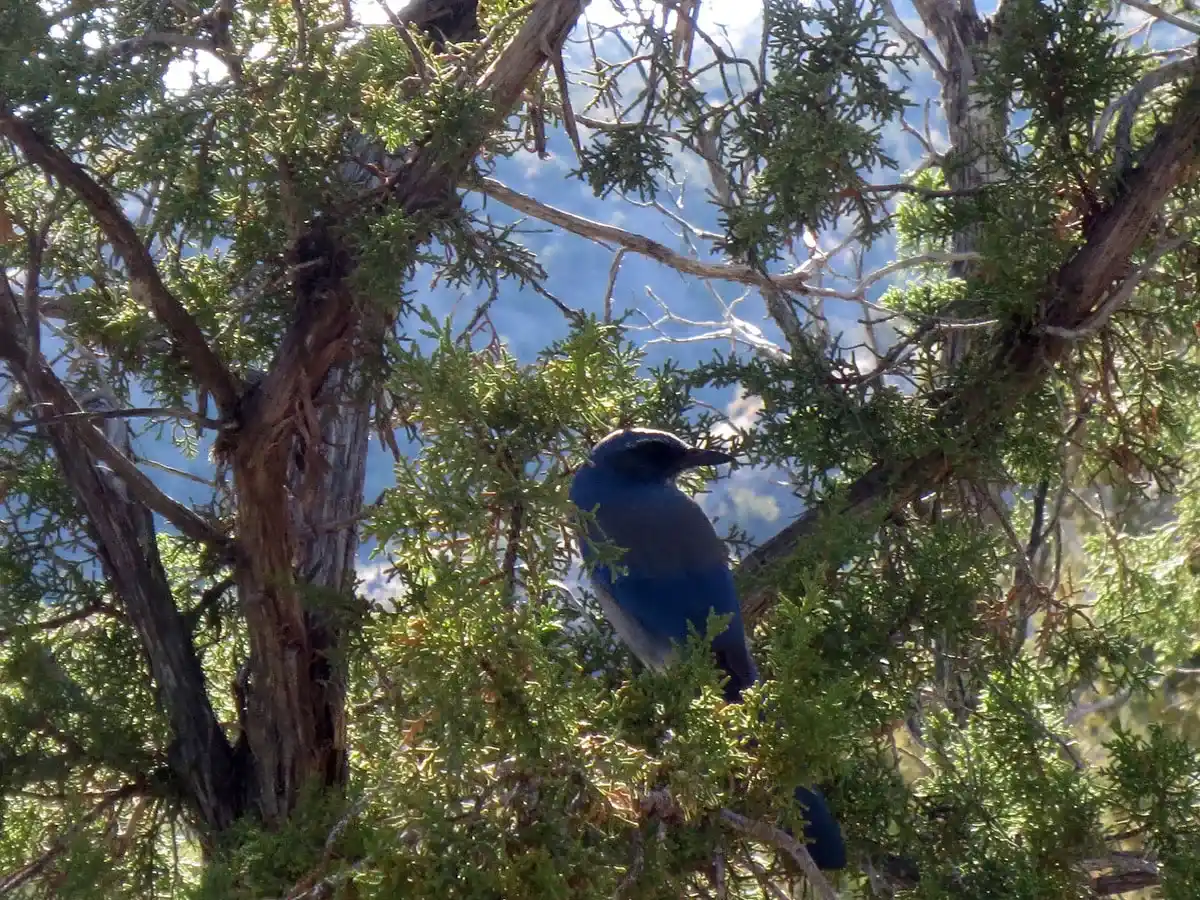
Resilent tree grows on rocky cliff. Your brain wants to grow!

5) Expose your eyes to morning blue light.
Blue light = better sleep = brain healing. People exposed to 30 minutes blue light in the morning got better sleep. They also felt more alert during the day and had better executive functioning. Proper sleep is important for brain healing.
Many people with Long COVID, PTSD, brain inflammation and brain injuries have sleep disruptions. Several studies have shown that blue light exposure in the morning primes the brain for more restful sleep. It also helps increase the brain's functional and structural connectivity.
In a randomized double blind study, Killgore et al. 2020 gave 32 adults (18-48 years old) with a mild TMI either a cube that emitted blue light (peak wavelength of 469 nm) or a placebo cube emitting amber light (peak wavelength of 578 nm). They used the light for 6 weeks of 30-minutes in the morning (people can do other tasks while using the blue light).
People using the blue light fell asleep faster and woke up one hour earlier in the morning compared to the people using the amber placebo light. The blue light group felt more alert during the day. Blue light exposure suppresses melatonin.
Due to the blue light treatment, people improved their brain processing speed and efficiency. In addition, the size of the pulvinar nucleus, a part of the brain responsible for visual attention, increased. The blue light group strengthened their neuron connections and the communication flow between the pulvinar nucleus and other parts of the brain that promote alertness and cognition (Killgore et al. 2020, Killgore et al. 2022). These benefits may be due to the positive effects of blue light on sleep.
In a similar but larger study, Raikes et al 2022 reported that people with mild TBI who received blue light treatment for 30 minutes daily for 6 weeks had greater growth in 15 areas of the brain than people receiving amber light treatment. Blue light therapy was associated with moderate to large increases in brain gray matter volume. Increased functional connectivity was observed in areas and cognitive networks associated with sleep regulation as well as daytime cognitive function, alertness, and attention. People receiving blue light therapy reported less daytime sleepiness.
Other studies have found similar benefits for people with PTSD. Kilgore et al. 2022 reported that morning exposure to blue light in people with PTSD was associated with improvements in sleep duration. They also had an increased volume of the left amygdala when compared with people treated with amber placebo light. The changes in the amygdala volume were directly correlated with sleep improvement. Vanuk et al. 2022 reported that exposure to blue light in addition to a well-validated fear conditioning/extinction protocol helped reduce PTSD symptoms and sleep related complaints.
Beware of dangerous high energy blue lights (watch out for cheap knockoffs)
If you want to try blue light therapy make sure to buy the right wavelength of blue light from a reliable business. You want devices that give off light with a longer blue wave length (ideally between 460 to 500 nm).
Shorter wavelengths have more energy. Blue light wavelengths between 415 and 455 nm are harmful and can cause eye damage. This high energy blue light can pass through the protective cornea and lens of the eye directly to the retina. It can damage the eye and cause diseases such as cataracts, dry eye, age-related macular degeneration. The light triggers reactive oxygenated species (ROS), oxidative stress and inflammation (for a good discussion of t0 his see Zhao et al. 2018).
High energy blue light stimulates the brain; it inhibits melatonin secretion and increases adrenocortical hormone (ACTH) production (Zhao et al. 2018). Inhibiting melatonin can cause disrupted sleep. Releasing more ACTH triggers the adrenal glands to produce cortisol, a stress hormone, and androgens. Excess cortisol can increase stress, promote weight gain and increase inflammation. ACTH is also involved in glucose metabolism and the immune system.
Blue lights on the lower energy end of the blue light spectrum (460-500 nm) are beneficial. Exposure in the morning helps regulate your biological clock (circadian rhythm). It promotes alertness during the day, memory and cognition.
Remember:
- Safe range is 460-500 nm wavelength
- Danger zone is 415-455 nm wavelength
Warning:
UV sterilization lamps are normally between 100-380 nm wavelengths These are very dangerous and can harm your skin and eyes. Do not use.
By Susan Fluegel PHD Nutritional Biochemistry.
*Names and some minor identifying details in all stories in this website are changed to protect people's privacy.
This information is for informational purposes only and does not constitute medical advice, diagnosis, or treatment.
References:
Agoston DV. Traumatic Brain Injury in the Long-COVID Era. Neurotrauma Rep. 2024 Jan 30;5(1):81-94. doi: 10.1089/neur.2023.0067. Full article.
Aloe L, Rocco ML, Balzamino BO, Micera A. Nerve Growth Factor: A Focus on Neuroscience and Therapy. Curr Neuropharmacol. 2015;13(3):294-303. doi: 10.2174/1570159x13666150403231920. Full article.
Barker PA, Mantyh P, Arendt-Nielsen L, Viktrup L, Tive L. Nerve Growth Factor Signaling and Its Contribution to Pain. J Pain Res. 2020 May 26;13:1223-1241. doi: 10.2147/JPR.S247472. Full article.
Ben-Zeev T, Shoenfeld Y, Hoffman JR. The Effect of Exercise on Neurogenesis in the Brain. Isr Med Assoc J. 2022 Aug;24(8):533-538. Full article.
Bower NI, Hogan BM. Brain drains: new insights into brain clearance pathways from lymphatic biology. J Mol Med (Berl). 2018 May;96(5):383-390. doi: 10.1007/s00109-018-1634-9. Abstract.
Carabotti M, Scirocco A, Maselli MA, Severi C. The gut-brain axis: interactions between enteric microbiota, central and enteric nervous systems. Ann Gastroenterol. 2015 Apr-Jun;28(2):203-209. Full article.
Chen L, Deng H, Cui H, Fang J, Zuo Z, Deng J, Li Y, Wang X, Zhao L. Inflammatory responses and inflammation-associated diseases in organs. Oncotarget. 2017 Dec 14;9(6):7204-7218. doi: 10.18632/oncotarget.23208. Full article.
Christensen J, Wright DK, Yamakawa GR, Shultz SR, Mychasiuk R. Repetitive Mild Traumatic Brain Injury Alters Glymphatic Clearance Rates in Limbic Structures of Adolescent Female Rats. Sci Rep. 2020 Apr 10;10(1):6254. doi: 10.1038/s41598-020-63022-7. Full article.
de Sousa Fernandes MS, Ordônio TF, Santos GCJ, Santos LER, Calazans CT, Gomes DA, Santos TM. Effects of Physical Exercise on Neuroplasticity and Brain Function: A Systematic Review in Human and Animal Studies. Neural Plast. 2020 Dec 14;2020:8856621. doi: 10.1155/2020/8856621. Full article.
Fernandez-Teruel A. The power of "touch" and early enriched stimulation: neuroplasticity effects in rodents and preterm infants. Neural Regen Res. 2022 Jun;17(6):1248-1250. doi: 10.4103/1673-5374.327336. Full article.
Han KM, Ham BJ. How Inflammation Affects the Brain in Depression: A Review of Functional and Structural MRI Studies. J Clin Neurol. 2021 Oct;17(4):503-515. doi: 10.3988/jcn.2021.17.4.503. Full article.
Hassanzadeh S, Jalessi M, Jameie SB, Khanmohammadi M, Bagher Z, Namjoo Z, Davachi SM. More attention on glial cells to have better recovery after spinal cord injury. Biochem Biophys Rep. 2021 Jan 25;25:100905. doi: 10.1016/j.bbrep.2020.100905. Full article.
Hoogland IC, Houbolt C, van Westerloo DJ, van Gool WA, van de Beek D. Systemic inflammation and microglial activation: systematic review of animal experiments. J Neuroinflammation. 2015 Jun 6;12:114. doi: 10.1186/s12974-015-0332-6. Full article.
Hu LN, Tian JX, Gao W, Zhu J, Mou FF, Ye XC, Liu YP, Lu PP, Shao SJ, Guo HD. Electroacupuncture and moxibustion promote regeneration of injured sciatic nerve through Schwann cell proliferation and nerve growth factor secretion. Neural Regen Res. 2018 Mar;13(3):477-483. doi: 10.4103/1673-5374.228731. Full article.
Jessen NA, Munk AS, Lundgaard I, Nedergaard M. The Glymphatic System: A Beginner's Guide. Neurochem Res. 2015 Dec;40(12):2583-99. doi: 10.1007/s11064-015-1581-6. Full article.
Jin H, Li M, Jeong E, Castro-Martinez F, Zuker CS. A body-brain circuit that regulates body inflammatory responses. Nature. 2024 Jun;630(8017):695-703. doi: 10.1038/s41586-024-07469-y. Full article.
Kagan BJ, Kitchen AC, Tran NT, Habibollahi F, Khajehnejad M, Parker BJ, Bhat A, Rollo B, Razi A, Friston KJ. In vitro neurons learn and exhibit sentience when embodied in a simulated game-world. Neuron. 2022 Dec 7;110(23):3952-3969.e8. doi: 10.1016/j.neuron.2022.09.001. Full article.
Killgore WDS, Vanuk JR, Dailey NS. Treatment with morning blue light increases left amygdala volume and sleep duration among individuals with posttraumatic stress disorder. Front Behav Neurosci. 2022 Sep 12;16:910239. doi: 10.3389/fnbeh.2022.910239. Full article.
Killgore WDS, Vanuk JR, Shane BR, Weber M, Bajaj S. A randomized, double-blind, placebo-controlled trial of blue wavelength light exposure on sleep and recovery of brain structure, function, and cognition following mild traumatic brain injury. Neurobiol Dis. 2020 Feb;134:104679. doi: 10.1016/j.nbd.2019.104679. Full article.
Lee DH, Lee JY, Hong DY, Lee EC, Park SW, Lee MR, Oh JS. Neuroinflammation in Post-Traumatic Stress Disorder. Biomedicines. 2022 Apr 20;10(5):953. doi: 10.3390/biomedicines10050953. Full article.
Liang D, Ren Y, Huang L, Jin S. A Study on THE Mechanism of Electroacupuncture to Alleviate Visceral Pain and NGF Expression. Comput Intell Neurosci. 2022 Oct 14;2022:3755439. doi: 10.1155/2022/3755439. Full article.
Liu Y, Shen X, Zhang Y, Zheng X, Cepeda C, Wang Y, Duan S, Tong X. Interactions of glial cells with neuronal synapses, from astrocytes to microglia and oligodendrocyte lineage cells. Glia. 2023 Jun;71(6):1383-1401. doi: 10.1002/glia.24343. Full article.
Mathias JL, Alvaro PK. Prevalence of sleep disturbances, disorders, and problems following traumatic brain injury: a meta-analysis. Sleep Med. 2012 Aug;13(7):898-905. doi: 10.1016/j.sleep.2012.04.006. Summary.
McEwen BS. Neurobiological and Systemic Effects of Chronic Stress. Chronic Stress (Thousand Oaks). 2017 Jan-Dec;1:2470547017692328. doi: 10.1177/2470547017692328. Full article.
Miranda M, Morici JF, Zanoni MB, Bekinschtein P. Brain-Derived Neurotrophic Factor: A Key Molecule for Memory in the Healthy and the Pathological Brain. Front Cell Neurosci. 2019 Aug 7;13:363. doi: 10.3389/fncel.2019.00363. Full article.
Morita I, Sakuma S, Shimomura J, Hayashi N, Toda S. Brain activity in response to the touch of a hand on the center of the back. PLoS One. 2018 Oct 29;13(10):e0206451. doi: 10.1371/journal.pone.0206451. Full article.
Nakajima S, Kabahizi A, Aubailly S, Naili-Douaouda S, Tomita A, Bosson A, Alquier T, Murphy-Royal C, Fulton S. Anxiety induced by systemic inflammation involves microglial engulfing of nucleus accumbens inputs and diminished excitability of D1 receptor neurons. Brain Behav Immun. 2025 Oct 23:106154. doi: 10.1016/j.bbi.2025.106154. Epub ahead of print. Summary.
Niklison-Chirou MV, Agostini M, Amelio I, Melino G. Regulation of Adult Neurogenesis in Mammalian Brain. Int J Mol Sci. 2020 Jul 9;21(14):4869. doi: 10.3390/ijms21144869. Full article.
Piantino J, Schwartz DL, Luther M, Newgard C, Silbert L, Raskind M, Pagulayan K, Kleinhans N, Iliff J, Peskind E. Link between Mild Traumatic Brain Injury, Poor Sleep, and Magnetic Resonance Imaging: Visible Perivascular Spaces in Veterans. J Neurotrauma. 2021 Sep 1;38(17):2391-2399. doi: 10.1089/neu.2020.7447. Full article.
Pongratz G, Straub RH. Chronic Effects of the Sympathetic Nervous System in Inflammatory Models. Neuroimmunomodulation. 2023;30(1):113-134. doi: 10.1159/000530969. Full article.
Poplawski GHD, Kawaguchi R, Van Niekerk E, Lu P, Mehta N, Canete P, Lie R, Dragatsis I, Meves JM, Zheng B, Coppola G, Tuszynski MH. Injured adult neurons regress to an embryonic transcriptional growth state. Nature. 2020 May;581(7806):77-82. doi: 10.1038/s41586-020-2200-5. Abstract.
Ray S, Gurung P, Manning RS, Kravchuk AA, Singhvi A. Neuron cilia restrain glial KCC-3 to a microdomain to regulate multisensory processing. Cell Rep. 2024 Mar 26;43(3):113844. doi: 10.1016/j.celrep.2024.113844. Full article.
Sleiman SF, Henry J, Al-Haddad R, El Hayek L, Abou Haidar E, Stringer T, Ulja D, Karuppagounder SS, Holson EB, Ratan RR, Ninan I, Chao MV. Exercise promotes the expression of brain derived neurotrophic factor (BDNF) through the action of the ketone body β-hydroxybutyrate. Elife. 2016 Jun 2;5:e15092. doi: 10.7554/eLife.15092. Full article.
Sun Y, Koyama Y, Shimada S. Inflammation From Peripheral Organs to the Brain: How Does Systemic Inflammation Cause Neuroinflammation? Front Aging Neurosci. 2022 Jun 16;14:903455. doi: 10.3389/fnagi.2022.903455. Full article.
Tabatabaee A, Tafreshi MZ, Rassouli M, Aledavood SA, AlaviMajd H, Farahmand SK. Effect of Therapeutic Touch in Patients with Cancer: a Literature Review. Med Arch. 2016 Apr;70(2):142-7. doi: 10.5455/medarh.2016.70.142-147. Full article.
Xie L, Kang H, Xu Q, Chen MJ, Liao Y, Thiyagarajan M, O'Donnell J, Christensen DJ, Nicholson C, Iliff JJ, Takano T, Deane R, Nedergaard M. Sleep drives metabolite clearance from the adult brain. Science. 2013 Oct 18;342(6156):373-7. doi: 10.1126/science.1241224. Full article.
Zentall TR. Effect of Environmental Enrichment on the Brain and on Learning and Cognition by Animals. Animals (Basel). 2021 Mar 31;11(4):973. doi: 10.3390/ani11040973. Full article.
Zhao Q, Li H, Li H, Xie F, Zhang J. Research progress of neuroinflammation-related cells in traumatic brain injury: A review. Medicine (Baltimore). 2023 Jun 23;102(25):e34009. doi: 10.1097/MD.0000000000034009. Full article.
Zhao ZC, Zhou Y, Tan G, Li J. Research progress about the effect and prevention of blue light on eyes. Int J Ophthalmol. 2018 Dec 18;11(12):1999-2003. doi: 10.18240/ijo.2018.12.20. Full article.
Zucchi FC, Yao Y, Ilnytskyy Y, Robbins JC, Soltanpour N, Kovalchuk I, Kovalchuk O, Metz GA. Lifetime stress cumulatively programs brain transcriptome and impedes stroke recovery: benefit of sensory stimulation. PLoS One. 2014 Mar 20;9(3):e92130. doi: 10.1371/journal.pone.0092130. Erratum in: PLoS One. 2014;9(7):e102489. Full article.