Brain Boosters Part 2
ELEVEN TOOLS TO HEAL YOUR BRAIN
Open this page in case of any type of brain injury, mental health issues, or cognitive impairment.
Mental problems ARE caused by physical problems; don't let anyone tell you otherwise. Don't worry if you don't know exactly what is wrong with your brain. Yes, it is frustrating not to know exactly what is happening. However, you don't need to know why you are having problems to start helping yourself today.
How do you know if your brain needs help? Research shows that brain fog, depression, PTSD, dementia, anger control issues, attention deficit disorders, bipolar disorders, chronic stress, and similar issues are due to problems with body and brain metabolism, energy availability, communication between the brain and body, and/or brain inflammation. To make it worse, having some of these disorders can lead to more brain and body inflammation - which sets off a negative feedback loop.
Although many people think of the brain as separate from the body, your brain is an organ like the heart or liver. It can be damaged, it can get inflamed, and it can be diseased. Your brain becomes impaired when other parts of your body are inflamed. An impaired brain can lead to impaired thoughts, impaired thinking, and impaired emotional control. Like your body, your brain can be healed with exercise, training, and nutrition.
It is not in your imagination. You CAN HEAL your brain one small step at a time (or take a huge leap - it is up to you).
Eleven Tools to Boost Your Brain
Click on each heading or keep scrolling for more detailed information
Brain Boosters Part 2 includes:
- 5) How to get enough sleep
- 6) Reduce stress
- 7) Spend time in nature
- 8) Increase your social networks
- 9) Meditate or practice mindfulness
- 10) Use light to heal (sunlight and light therapy)
- 11) Turn off negative news
Missed the first half? Brain Boosters Part 1:
- 1) Eat brain healthy food
- 2) Exercise your body for a healthier mind
- 3) Train your brain
- 4) Reduce brain inflammation
5) Get enough rest and sleep
Sound sleep helps heal traumatic brain injuries (TBI) (Piantino et al. 2021). The cytokines emitted by microglia act as sleep regulatory substances (SRSs). They help to maintain healthy sleep (Krueger et al. 2011). In addition, good sleep decreases inflammation which helps with healing (McAlpine et al. 2022).
Sleep helps to heal by clearing out toxins and waste. When you sleep, your brain is actually washed using the glymphatic system. This is a drive through car wash for the brain. Cerebrospinal fluid flushes in and out of the brain in waves during sleep, helping clear out waste (Fultz et al. 2019). Dysfunctional glymphatic clearance is linked to neurodegenerative diseases like dementia and is a factor in TBI (Jessen et al. 2015, Ferrara et al. 2022).
Unfortunately, sleep is hard to come by with a TBI. Almost half, 46%, of people with TBI experience sleep disorders; 29% have insomnia, 28% have hypersomnia, 25% have sleep apnea, and 4% have narcolepsy (Aoun et al. 2019). This may be due to hormonal disruptions; direct injury to the arousal and/or sleep regulation system; and/or injury to the pineal gland, hypothalamus or brain stem. Lack of sleep impacts the immune system which increases inflammation (discussion McAlpine et al. 2022). Sleep disturbances can intensify symptoms and increase the risk of inflammatory and neurodegenerative diseases.
Both lack of sleep and TBI increase inflammation. TBI increases proinflammatory chemical signaling molecules (cytokines). Damaged tissue releases inflammatory cytokines to signal that the body part needs help ASAP. Although, cytokines are necessary to help repair injured areas, unregulated release of proinflammation cytokines after an injury can cause problems. Inflammatory cytokines can prompt a positive feedback loop creating more inflammatory cytokines and immune components. This cytokine storm can cause uncontrolled inflammation, cellular injury, and even death.
Poor sleep is also associated with higher concentrations of inflammatory biomarkers. Both traumatic brain injury (TBI) and Alzheimer disease seem to have a positive feedback loop of chronic inflammation and sleep disturbances. This is partially caused by an increase in activated immune components, such as microglia and astrocytes, and an increase in inflammatory cytokines (good discussion and diagrams on chronic brain inflammation inGreen et al. 2020).
Glial brain cells, microglia and astrocytes, respond to help heal brain injuries. However, they can become over-activated. When this happens, microglia start spewing out inflammatory cytokines and chemokines resulting in detrimental neurotoxic effects (fancy way of saying it poisons your brain) and increased brain cell death. Glial cells have many duties besides healing.
Dozing Dozen Sleep Tips
1) Get a comfortable bed/mattress and pillows.
Not much money? Add a memory foam topper to the top or put a piece of plywood under your mattress. Add a foam wedge to raise your head, feet or both. Check out inexpensive memory foam mattresses online, discount stores, and mattress sales with zero percent financing. Find a significant other with a better bed (ha, ha).
Got money? Buy a new bed of your choice and try out the adjustable frames. Got back issues? Check out the bed frames that raise both your head and your feet a bit (you will be amazed at how this takes the pressure off your back). Just go in a bed store and demo some beds to find out what works for you. Let the sales person show you everything.
Get a mattress cover to seal in dust and dust mites. This will help prevent allergies. Don't forget the pillow covers!
2) Increase light exposure during the day to reset your circadian rhythm.
Go outside for a walk and get some natural sunlight in your eyes even in the winter. Try for 30 minutes but even ten minutes is better than nothing. Too tired to walk? Relax outside in the sun!
Enjoy the park with your friends! Mesirede Ud Çalan Kadınlar by Müfide Kadri before 1913.

3) Exercise during the day.
Exercise outside and you can get that 30 minutes of natural light in each day.
4) Avoid bright lights, especially blue lights, right before bed.
Blue light is more common in the morning so it causes you to become more alert. Switch lights to yellow toned in evening to mimic nature. There are even apps that will switch the color tone of your devices from blue in the morning to yellow at night.
Some people may sleep better with light blocking curtains. I have always slept best in early morning when it is light, so this may depend on the individual. Of course, I was born in Fairbanks, AK where it is light 24-7 during the summer so take this with a grain of salt.
5) Cut off the caffeine at least 9 hours before bedtime.
Caffeine late in the day reduces sleep time by 45 minutes (Gardiner et al. 2023).
6) Alcohol does not help you sleep.
Don't drink for sleep. Especially don't drink before bed. Even small amounts of alcohol (less than 1 drink) decrease sleep quality. Alcohol increases insomnia, disrupts the wake sleep cycle and causes fragmented and disturbed sleep in the second half of the night (discussion in Colrain et al. 2018).
7) Don't smoke too close to bedtime (or too close to your bed in particular!).
Nicotine is a stimulant. Smoking itself disrupts sleep patterns by reducing slow wave and rapid eye movement (REM) sleep; sabotaging sleep quality; and increasing sleep apnea, insomnia, teeth clenching, parasomnias (sleep walking, night terrors) and restless legs (discussion in Grigoriou et al. 2024).
Ironically, poor sleep quality caused by smoking seems to increase the craving for cigarette! People exposed to second hand smoke also have sleep disturbances. Smoking is bad for your overall health.
8) Don't eat too much right before bed.
Acid reflex is more likely when you lay down with a full stomach. Eating can increase alertness and raise your body temperature.
9) Think about your noise tolerance.
Is your bedroom too loud or too quiet? Consider a white noise machine for the bedroom.
10) Keep bedroom temperature cool but not cold.
Research suggests that 65-68°F (18-19°C) is best for sleeping.
11) Develop a quiet calm bedtime ritual.
Take 30 minutes to relax and disconnect devices like tablets, smartphones, and laptops.
12) Make bedtime so boring sleep looks like the best option.
If you wake up at night and can not fall back asleep leave the bedroom and do something boring until you feel sleepy again. Do you have any spreadsheets that need revising? How about revisiting the tax codes for your business? Would you like to upload some apps and read the legal disclaimers before you click to upload?
6) Reduce stress
Stress is the strain or pressure placed on someone or something. It is hard to define and deeply personal. What is stress for you may be inspiration for another. Stress can crack steel or it can make a diamond. Sometime just how you feel about a situation can make it stressful or not.
It is important to reduce stress. Chronic stress causes activates Long COVID and promotes ill health.
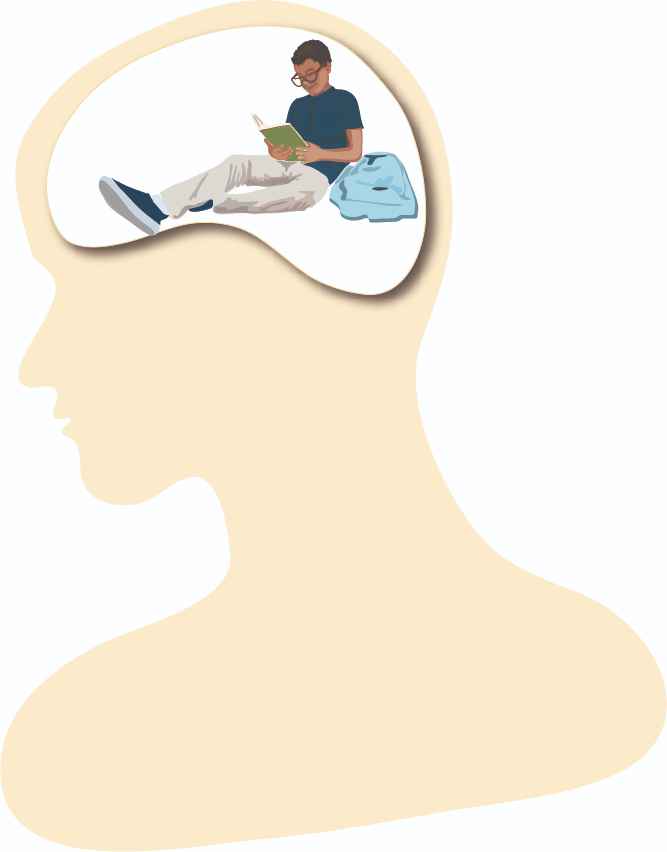
How to reduce stress
To reduce stress reframe things in your life as YOUR choice. It may be a crappy choice but it is better for your mental health to believe you have control over your life! Believing you have control allows you to take control and make change. No one controls you except YOU.
You can choose to move, eat better, find a better job, live in your car, drop negative people from your life, clean your living space, retrain your brain, and consume positive media. Do something. Create. Read. Move. Volunteer. Pet puppies. Learn new skills. Always wanted to hand carve a tree stump; knit a bedspread; write a novel? Just do that stuff!
Don't believe negative doomsayers who want to pull you down. I believe you can do it!
Eric W. (31 year old): "I used to be depressed and totally stressed out. I believed that I had no control over my life and was constantly having anxiety attacks. I hated my life, I hated going to work, and I blamed others for my unhappiness. One day I thought - I want my life back. To do that I need to take back responsibility and control.
What I did was reframe my thoughts and actions to be more action and goal orientated. I started thinking positively. Negativity drains you and hinders action. Instead of hating my job, I wrote a list of what I needed to do to find a better job. Instead of whining that I had no friends, I joined a hiking group. I stopped watching negative sh*tposting YouTubers and started watching inspirational videos instead. I started slowly eating better. I found that I can change my life.
Is my life perfect? No, but my stress is low, I enjoy my new job and I have people to hang out with now. Plus, I have a new high energy hiking buddy who is gorgeous. Her name is Kira and she is a blue merle border collie. I'm enjoying life."
Chronic or overwhelming stress is toxic. Your brain doesn't like being under pressure. Stress runs roughshod over key regions of the brain. Chronic stress can effect brain functioning by impairing learning, memory, and verbal memory (discussion Kim and Kim 2023). It activates endoplasmic reticulum stress (ERS), apoptosis (cell death), oxidative stress, and excitatory/inhibitory neuron imbalance (discussion Guo et al. 2022).
Information transfer in the brain depends on the appropriate interplay between inhibitory and excitatory networks. The brain's excitatory neurons are like social media influencers; they spread information and activity in and out of their network. The inhibitory neurons are like government regulatory agencies; they provide recurrent feedback regulation of the activity by imposing rules and regulations.
You need structural and dynamical balance in this interplay. Changes in this balance have been associated with epileptic seizures (increased excitation) and deep anesthesia (increased inhibition) (for a great description of this interplay see Sukenik et al. 2021).
Chronic stress may cause myelin and oligodendrocyte impairments (Antontseva et al. 2020). Oligodendrocytes are CNS glial cells that wrap nerve axons in myelin sheaths. Myelin acts as a nerve insulator to transmit information quickly. Myelinated axons conduct at velocities up to 150 m/s while slowpoke unmyelinated axon conduction velocities range from about 0.5 to 10 m/s.
You need myelin to function normally. Myelin impairment, as measured by lower myelin, can lead to cognitive decline, declines in executive functioning, loss of verbal fluency, and memory problems in people of all ages (study looked at people from 22 to 94 years old) (Gong et al. 2023). This may be why people under stress can be forgetful, get tongue tied and have a hard time making decisions.
Chronic stress causes mental problems
Stress or danger is designed to prepare your body to fight, flee, freeze, flop or friend/fawn/fornicate (not going to mention the other F term commonly used here because this is a family friendly website). Basically, stress causes a huge release of chemicals and hormones in the body that prompts some kind of response.
If these chemicals don't disperse you get chronic stress. Exercise dispenses stress hormones!
FIGHT: Stress can result in a desire to fight, sudden violence, or explosive strength: like an grandpa fighting off a much younger assailant, a petite mom lifting a car off of her child, or a firefighter running to catch a child jumping from a burning building. Chronic brain fight stress can cause constant anger, rage and intimidation.
FLEE: Stress can result in fleeing or running away: like a woman fleeing her larger attacker, a child escaping a bully, or a hiker running from a bear (pro tip don't run from bears - stay calm, make noise, look bigger, leave bear an escape route, use bear spray if on hand, and fight back and aim for bears face if needed). Chronic brain flee stress can cause depression, worry, anxiety, perfectionism and rumination over problems.
FREEZE: Stress can result in freezing, flopping or inaction: like a man collapsing to the ground when hearing bad news, a grandma freezing up during a purse snatching, or a office worker in a bad job freezing up and unable to make everyday choices. Chronic brain freeze stress can cause feelings of numbness, inability to take action, or inability to move forward.
FAWN: Stress can increase the desire to please or appease the perceived threat: like a child being more attached to the abusive parent, a person defending their abuser, or a man trying to please his distant father. Chronic brain fawning stress can cause people to be people pleasers at their own expense.
FRIEND: Shared stress can foster excitement since it feels a lot like attraction: like two people surviving a hurricane together and becoming friends or a car accident on a first date fostering attraction. Chronic brain friend/fornicate stress may be one of the least harmful ways to dispel stress unless you get addicted to the thrill of chasing danger by choosing unsuitable drama filled friends and partners.
Want to increase your stress? Bad habits increase stress!
7) Spend time in nature
Nature benefits you even when you don't exercise in it. This tip is so good we have a whole page on it!
Getting exposed to nature is associated with better mental health, improved cognitive function and brain activity, increased physical activity, lower blood pressure, and more restful sleep (Jimenez et al. 2021). Nature exposure includes contact with real nature, viewing nature through windows, looking at nature in photographs or online, and nature in virtual reality (Bratman et al. 2019).

Nature promotes health by reducing stress
Nature activates the parasympathetic nervous system which reduces stress and shuts off autonomic arousal (your fight, flee or freeze response) (discussion Kondo et al. 2018).
Nature helps people make better food choices. People exposed to a natural environment in five experiments choose healthier foods when compared to people exposed to a control or urban environments (Langlois and Chandon 2024).
So what do the researchers mean by a natural environment? In four of the five studies, people were exposed to either nature or urban photographs in different scenarios and than had to choose from a room service/lunch/snack menu. People thought they were either looking at a hotel room view (2 studies) or viewing an online course (2 studies). They were asked about the photos to make sure they had looked at them. People presented with nature photographs made healthier food choices than those given urban scene.
In the fifth study, people went for a 20 minute nature or urban walk and were than presented with a snack buffet. People who walked in nature ate more natural healthy snacks than those who walked in urban environments.
How to use nature to make better food choices:
Choose nature backgrounds and screensavers on your computer, phone and other devices. Rotate the images frequently so you notice them.
Look at nature pictures before ordering lunch or grocery shopping.
Put up nature art and photography in your eating and cooking area.
Take a walk in a park or nature area before meals.
8) Increase social networks and make friends
How can a person living with Long COVID, chronic fatigue syndrome, poor mental health, or other disabling disorders find and make friends? For that matter, how can anyone over 16 years old make friends? We all know it is not easy to find a support network.
One good way to meet people is to join a group or class.
Join local groups: art clubs; Master Gardener classes; local gardening or farming groups; dog training classes; sewing and knitting circles; black smithing associations; ToastMasters; veterans groups; martial arts; chess; table top gaming; beekeeping; brewing associations; dancing, biking, hiking, pickleball and other active clubs; etc.
Consider volunteering in a nontoxic organization that you enjoy. Food banks, environmental groups, local government and others can be good places to meet people. Go visit a nursing home and chat with people.
Look into local or community classes. You can learn a fun skill and meet people.
Avoid toxic groups at all cost. No matter how much you believe in the cause it is not worth it.
If you are unable to leave your home often:
1) Join positive online communities: if you are interested in something there is a reddit site for it. Choose a moderated and comfortable place. Avoid toxic sites. Do you really need trolls or foreign bots in your life?
It may be comforting to join a forum dedicated to your illness BUT make sure to also choose online sites devoted to subjects you find fun or hobbies. Do not make everything about being ill. Give yourself some joy too.
There are tons of sites with pictures of cute guinea pigs, cats, rats and puppies. Other places focus on art or hobbies.
2) Keep in touch with old friends using social media or gaming. Have a virtual hangout.
3) Invite real life friends to meet you at your house for low key get togethers or gaming/crafting meets. Consider attending similar local events to meet new people in low key setting.
4) Join a group that meets at your house or other comfortable spot for you sometimes. Libraries are often safe spots and assessable to all.
5) Advanced option! Make your own community with YouTube, TikTok or other channels.
6) Start going outside your home in small way. Can you sit in a chair in your yard or courtyard in the sunshine? Can you make it to the mailbox or to a community room if you live in an apartment or condo?
7) Volunteer and find others who support your causes.
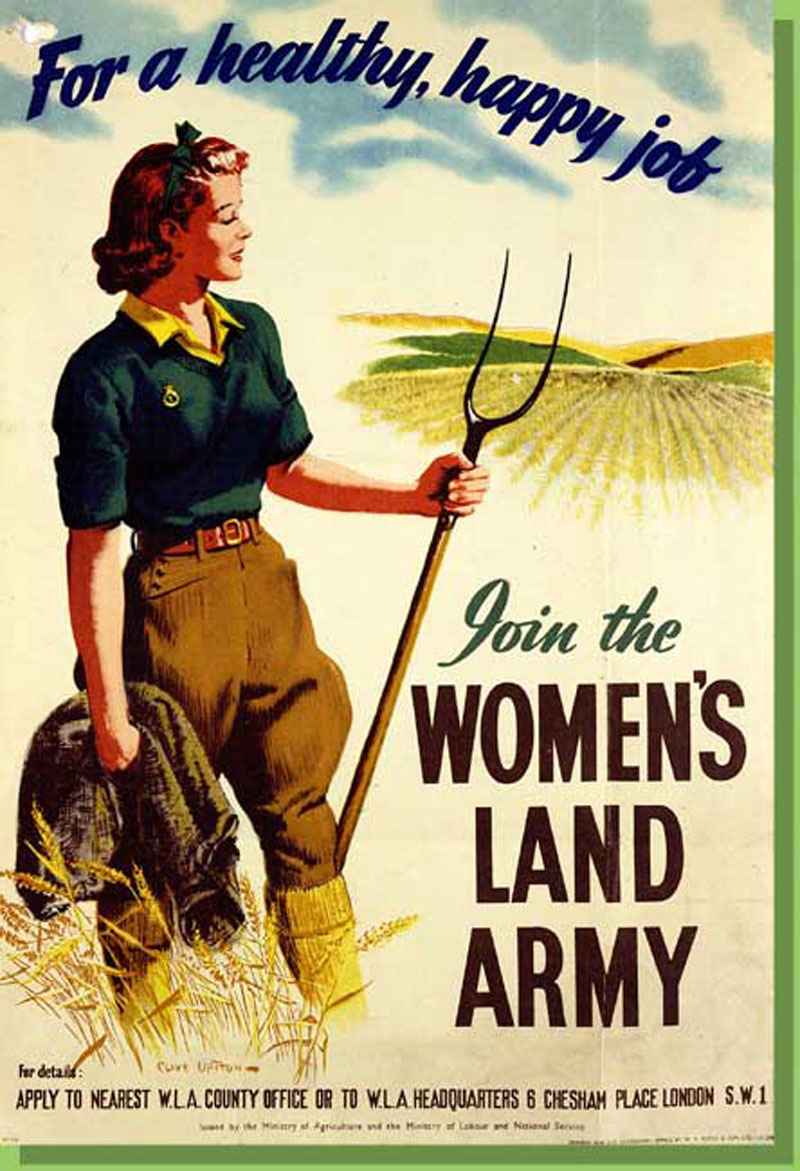
British WWII poster recruiting women to help work on farms.
Ways to attract true friends:
★ Be authentic and true to yourself. Be your quirky self and avoid fakeness. Take it from me, an outspoken and opinionated person who has been called refreshingly honest, being yourself will gain you more friends than pretending to be something you are not.
★ Be positive and enthusiastic. Do you want other people to try to hide when they see you coming? Try to be the person other people are happy to see. Share cool facts and talk about your hobbies. Don't be afraid to be enthusiastic about life. I share nerdy facts about mitochondria and people are still interested in talking to me.
★ Actively listen to people. If you make people feel heard they will like you.
★ Make others feel valued. Notice them and give sincere compliments (not fake ones).
★ Laugh at yourself not at others!
★ Ask people for a small favor that flatters a person's sense of themselves. Studies show that people tend to like people who ask them for a very small favor. It is believed to be due to cognitive dissonance; your brain doesn't like to hold two different opinions at once. So your brain reasons that if you do someone a favor you must like them.
This is called the Ben Franklin effect.
Ben once asked a former political rival to lend him a rare book. The man agreed and Franklin borrowed the book. When Ben returned the book a week later, he gave his rival a gracious thank you letter telling him how much he liked the book. The man warmed towards Franklin and they become friends who worked together.
"He that has once done you a kindness will be more ready to do you another, than he whom you yourself have obliged"
Benjamin Franklin
★ Make the effort to stay in contact with people. Texting is a low key way to keep in touch.
★ Choose your friends wisely. Do they give you energy or take away energy? Are you happy to see them?
East Indian Immigrants in Cacao Estate Trinidad 1903 unknown artist. From Brandon Head's book The Food of the Gods: A Popular Account of Cocoa.

9) Meditate or practice mindfulness
For many people, actively being in the here and now helps reduce anxiety and stress.
Mindfulness is being aware of what you are sensing and feeling in the moment without judging yourself.
Practicing mindfulness
➤ Improves emotion regulation
➤ Reduces stress
➤ Enhances attention
Practicing mindfulness may initiate neuroplasticity by improving brain functional reconfiguration efficiency (Yu et al. 2023). Brain functional reconfiguration efficiency (neuroplasticity) is how easily the brain can efficiently arrange its structure and networks in response to external or environmental demands.
Not much for meditation? Try watching funny videos to feel better instead!

10) Light (natural sunlight and light therapy)
Red light can heal. Longer red light waves can penetrate deeper into the body than shorter blue and green light waves. Visible red wavelengths (610 nm to 670 nm) absorb into the skin to a depth of 2-5 mm; while near-infrared light (810 nm, 830 nm, 850 nm), which most people cannot see but can sense, can absorb into the tissue to around 5 mm (Ash et al. 2017). How far the light penetrates depends on both light wavelength and light intensity.
Applying red and near-infrared (NIR) light-emitting diodes (LEDs) to the scalp improves cognition in a small group of patients with chronic, mild traumatic brain injury (mTBI) (Naeser et al. 2014). In a randomized study, near-infrared low-level light therapy (LLLT) was more effective than a fake therapy on patients with moderate TBI (Figueiro et al. 2020). The use of red light and NIR seems to be neuroprotective; it protect cells from damage while promoting their survival and longevity (Hamblin 2019).
How to try this treatment?
Red light therapy is considered safe (just don't shine it directly into your eyes). Check out the different devices for sale and note what red light frequency they use; many use a combination of near and far red light wavelengths.
Some red light therapy panels are FDA approved as class-II medical devices. They treat muscle spasms, minor muscle and joint aches, and pain and stiffness associated with arthritis. Lights that use LEDs are better then fluorescent lights. Fluorescent bulbs diffuse the light which makes it too weak to penetrate the skin.
To rate these devices consider:
Radiant Flux or Total Light Output: This is a measure of the total light emitting capability of a device. The flux is measured in units of Joules per second (J/s), or Watts (W).
Irradiance: Measures power at a specific distance from the light source over a specified area.
There are also NIR caps developed to treat hair loss. Theoretically these would penetrate to the brain if strong enough. Currently they are priced between $300-$2000. For cheaper options consider the red light panels.
Blue Box of Science:
How does red light work?
Low-level light therapy (LLLT) uses near-infrared (NIR) red light (600- to 1100-nm wavelength). When this light is absorbed by mitochondria it activates cytochrome C oxidase. Cytochrome C oxidase is a vital protein in the electron transport chain (ETC), which makes energy in the form of adenosine triphosphate (ATP). Cytochrome C oxidase absorbs the light and upregulate ATP production (Capaldi 1990). Red light helps your body produce more energy! You need energy to repair and use your brain.
NIR light can upregulate or increase production of messenger molecules, such as reactive oxygen species (ROS) and nitric oxide (NO). This brief increase in ROS can trigger signaling pathways that activate other transcription factors that enter the nucleus and cause cytoprotective, anti-oxidant and anti-apoptotic effects in the cells (Waypa et al. 2016). The released NO acts as a vasodilator and increases vessel size in the lymphatic system. NO is a powerful signaling molecule and activates many beneficial cellular pathways (Zhan et al. 2015).
Definitions:
Cytokines are signaling molecules secreted by the immune system that can influence other cells or systems. Cytokines produced in the brain or central nervous system may be involved in brain learning and plasticity.
The glymphatic system is a waste clearance system for the brain. Instead of lymphatic vessels, it uses a glial-dependant pathway which drains away soluble waste metabolic products. Glial cells are found in the central nervous system; they provide support to neurons as well as transport nutrients and waste.
Oxidative stress is when there is an imbalance between free radicals and antioxidants in the body. You can obtain free radicals from food, exposure to environmental factors, or your own body's cells. Antioxidants, either from food or produced by cells, help neutralize these free radicals. In general, the body tries to maintain a balance between antioxidants and free radicals.
11) Turn off negative news and media
People overestimate the percentage of toxic people online. This makes people feel negative. In truth, only a small percentage of people are toxic online.
One study of Reddit users found:
People using Reddit estimated that 43% of users posted highly toxic or nasty comments; research shows the real number is around 3% of users.
Likewise, Reddit posters estimated that 47% of users shared false or misleading news stories. Actually research found that the real number of people spreading misinformation is around 8.5%.
Lee et al. 2025
If the news is making you mad and stressed you are not alone.
First, realize that you need to curtail or limit your exposure to news media. Ranting, stress, and fear inhibit brain healing AND inhibit your ability to ACT. It also causes you to lose friends and limits social interactions. No one wants to be near mad ranty people. You need to be calm and logical to enact change.
Combat fear with information. Fear preys on misinformation and internet comments. Remember that many internet comments are made by bots, Russian social media bot farms, trolls, or YouTubers and media influencers being paid by Russia to sow discontent and influence US politics. No matter how you vote, no one should get their news or views from Russia. Cut that misinformation out.
In 2020, 45% of Twitter/now X accounts spreading information about the pandemic were bots! Other comments are made by 13-year old kids, bitter bored people hungering for the 1950's, or paid foreign trolls. Do not waste your time engaging with them.
Realize that a lot of sensational news is fake: Researchers at the Massachusetts Institute of Technology found that misleading or incorrect stories traveled six times faster than real news. They calculated that the average false or fake story takes around 10 hours to reach 1,500 Twitter/X users, while a true story takes 60 hours to reach 1,500 Twitter/X users. Fake information also spreads deeper into the social networking and is more likely to go viral (Vosoughi et al. 2018).
It is easy to see why fake news spreads, imagine the clickability of these two stories:
Eating whole real foods and exercising leads to weight loss.
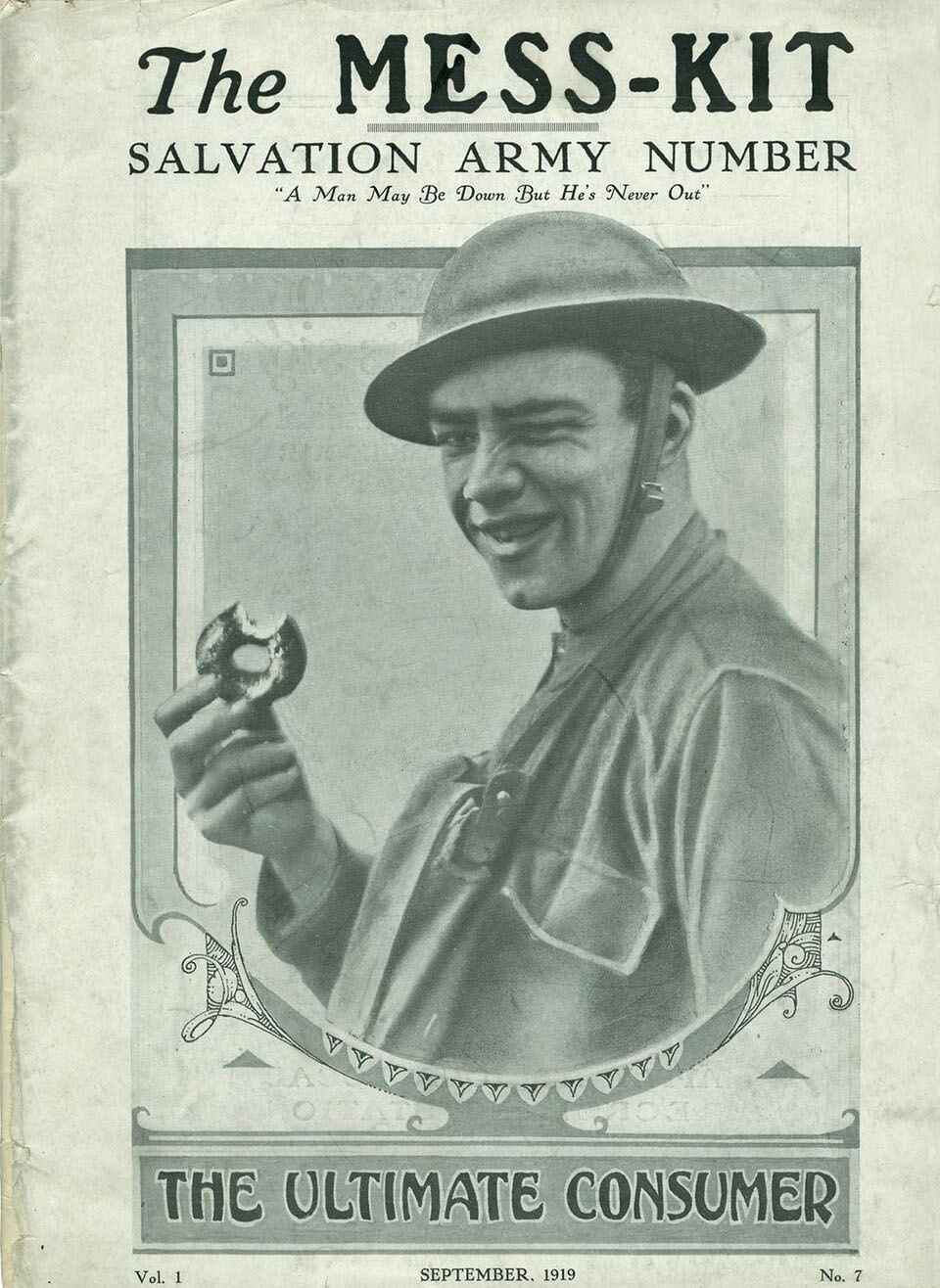
Eating donuts with sprinkles and sitting on your butt leads to weight loss (we all wish).
Cover page of The mess-kit (vol. 1, no 7) published by USA Base Hospital, Camp Merritt, New Jersey.
People like to spread novel information. Nothing is more novel than some crap you have just made up or wacky conspiracy theories involving aliens and Elvis having a secret meeting with Bigfoot at the pyramids. Mention the 'deep state', sprinkle in a few buzz words, add some scientific sounding terms, and speak with charisma and you too could get a cult following.
Sadly, internet algorithms on social media are designed to funnel you into extremist videos. It can hinder the way humans normally learn by recommending only a curated list of subjects for you to view. This leads to groupthink and extremism. Critical thinking helps inoculate people against extremist viewpoints. Reject black and white thinking and use your reasoning skills.
Try this, browse in a internet browser that does not track you (like DuckDuckGo) and compare the search results to your normal browser. Don't be lazy, think!
Leave social media accounts that spread anger and mine your information to support billionaires.
Tom N. (19 year old): "After almost 3 years on TikTok I decided to yeet my account. I rarely posted videos and didn't have much of a following, I just went on it to mindlessly watch videos for hours. I noticed my attention span has significantly declined in the last few years and I know 100% it's from my TikTok use. I feel free now."
Instead of ruminating and watching You Tube endlessly do something.
Volunteer near you - click here for volunteering opportunities
Clean up a park or trail
Knit hats for homeless people, chemo patients, or babies in critical care
Sign up for Big Brothers, Big Sisters of America to help a child
Donate to a useful and worthy cause (not a hateful cause please, you are looking for healing not hate)
Create a website, blog or YouTube video to share your expertise with others
Walk puppies or play with kittens at your local shelter
Volunteer at a nonprofit
Plant flowers or a garden
Visit an nursing home or children's hospital
Join a walking, running, climbing or cycling group
Grace Carpenter Hudson - Greenie with two yellow puppies, 1896 oil on canvas.
If politics are making you tear your hair out:
★ Boycott billionaires and their companies who donate to toxic politicians. Don't give them your money.
★ Hold your elected representatives responsible for their votes and actions. Let them know what you think (good or bad).
★ Mark the date of your next local and federal elections and make a plan to remind yourself to go vote.
★ Spend an afternoon or morning deciding who to vote for (make yourself a list to bring if needed) and then go vote on that day you decided. Don't just go by political ads, look at the records of the people you are voting for.
★ In the meantime, try to limit your exposure to political news - and especially political comments. Remember, most of the comments on news articles are bots, trolls, sock puppets, or paid foreign agents.
★ Social media also distorts political conversation. In particular, foreign disinformation operations on social media target American elections and news to undermine democracy and sow discontent. Don't let Russia, China, North Korea, Iran, and other hostile powers influence OUR democratic process. Please be aware of this growing threat.
★ Try to choose politicians who are good people; what legacy do you want to leave for future generations - kindness or hate? Vote for a better future.
★ When in doubt on an issue choose to embrace your best nature and be kind and wise instead of petty. Try to imagine how this issue may effect other people and the next generation. Be the best version of yourself.
★ Don't support people who are fascists.
If you are worried about politic, environmental, or human rights issues:
1) Educate yourself on the issue
2) Volunteer your time and/or raise funds
3) Donate your money
4) Vote
5) Run for office yourself or support a worthy candidate
If you are worried or mad about other people's behavior who are not harming you or others:
★ Ask yourself why it is important to police others' behavior or try to impose your religious or moral beliefs on them. Channel that negative energy into positive acts instead.
★ Put yourself in other people's shoes and imagine what it would be like to live their life. How does it feel? Would you want other people to be that critical of the way you live? Are they not free to live as they want in this country?
As an American, I am proud that our constitution supports people living as they please. I am worried about attacks on our constitution or on other Americans' freedoms.
Some thought exercises:
★ What would you believe if you had been born into a different religion (or no religion)?
★ How would your life be different if you were born a different gender or into a different ethnic group?
★ What would it be like to be the opposite sex?
★ Who do you think is causing more problems - other Americans who may be different than you or billionaires crashing our country for LOLs and tax breaks for their space programs.
Become educated on the issue by using non biased, non-political sources that use actual science. Facebook is not a peer reviewed source. Twitter/X is not a non biased source. TikTok is not a valid source. It is easy to get sucked into a social media hole where you are sent more and more radical information. Look at all sides by browsing in an incognito window to avoid bias. Make up your mind using reliable credible information.
Check out the volunteering above. Somewhere there is a child who needs an adopted grandparent, a puppy who needs a walk, a hungry person who would love a meal, a homeless person who needs warm socks, or a political cause that you could be helping in a positive way. Stop the hate, turn off the negativity, and become part of the solution.
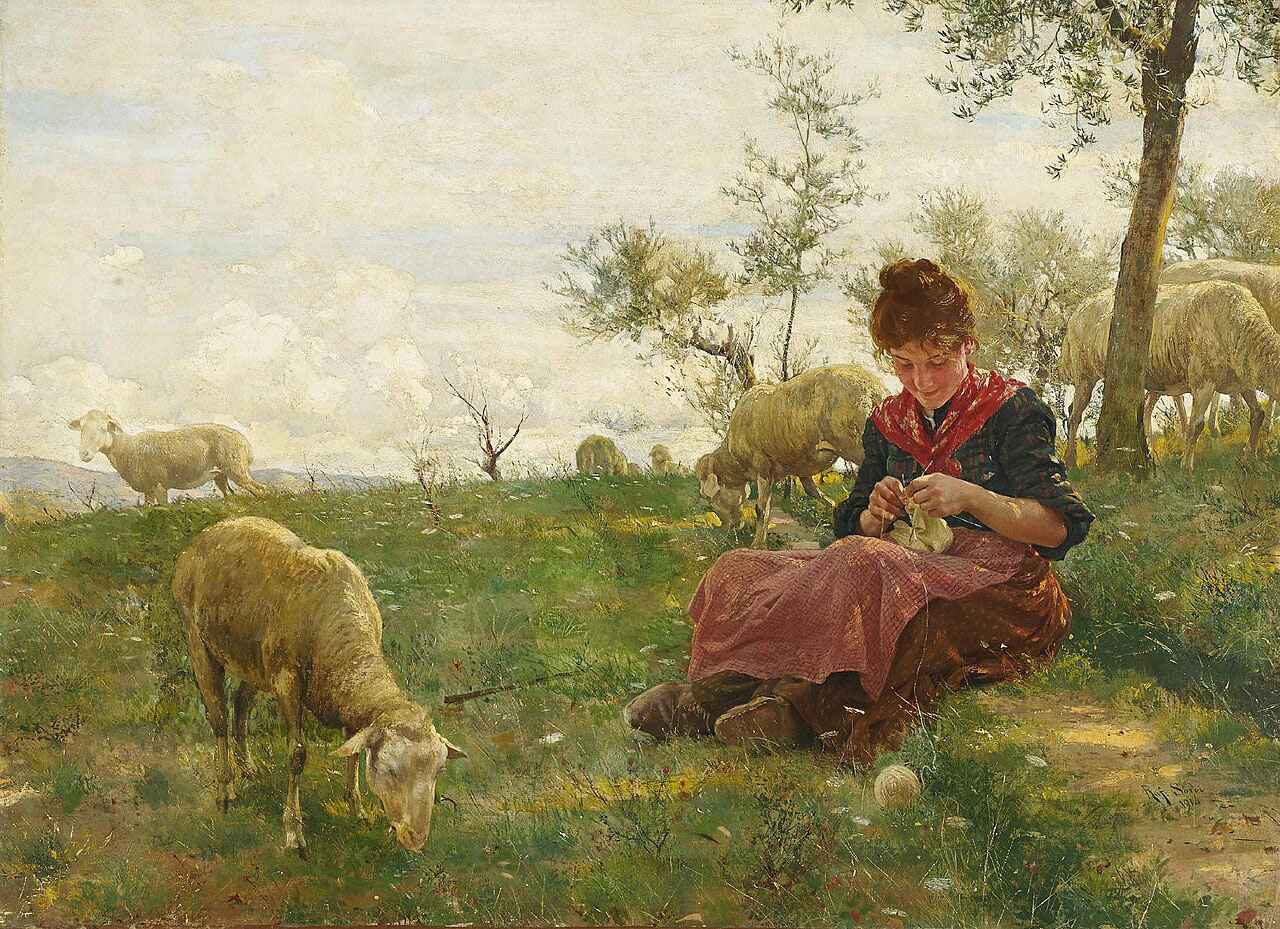
Raffaello Sorbi - The Knitting Shepherdess 1914 oil on canvas.
By Susan Fluegel PHD Nutritional Biochemistry
The brain is fascinating. If you want your brain to last a lifetime you need to take care of it.
*Names and some minor identifying details in all stories in this website are changed to protect people's privacy.
This information is for informational purposes only and does not constitute medical advice, diagnosis, or treatment.
References:
Aoun R, Rawal H, Attarian H, Sahni A. Impact of traumatic brain injury on sleep: an overview. Nat Sci Sleep. 2019 Aug 19;11:131-140. doi: 10.2147/NSS.S182158. Full article.
Antontseva E, Bondar N, Reshetnikov V, Merkulova T. The Effects of Chronic Stress on Brain Myelination in Humans and in Various Rodent Models. Neuroscience. 2020 Aug 10;441:226-238. doi: 10.1016/j.neuroscience.2020.06.013. Full article.
Ash C, Dubec M, Donne K, Bashford T. Effect of wavelength and beam width on penetration in light-tissue interaction using computational methods. Lasers Med Sci. 2017 Nov;32(8):1909-1918. doi: 10.1007/s10103-017-2317-4. Full article.
Baron-Cohen S, Ashwin E, Ashwin C, Tavassoli T, Chakrabarti B. Talent in autism: hyper-systemizing, hyper-attention to detail and sensory hypersensitivity. Philos Trans R Soc Lond B Biol Sci. 2009 May 27;364(1522):1377-83. doi: 10.1098/rstb.2008.0337. Full article.
Baron-Cohen S, Lombardo MV. Autism and talent: the cognitive and neural basis of systemizing. Dialogues Clin Neurosci. 2017 Dec;19(4):345-353. doi: 10.31887/DCNS.2017.19.4/sbaroncohen. Full article.
Bartsch T, Wulff P. The hippocampus in aging and disease: From plasticity to vulnerability. Neuroscience. 2015 Nov 19;309:1-16. doi: 10.1016/j.neuroscience.2015.07.084. Abstract.
Becker JH, Lin JJ, Doernberg M, Stone K, Navis A, Festa JR, Wisnivesky JP. Assessment of Cognitive Function in Patients After COVID-19 Infection. JAMA Netw Open. 2021 Oct 1;4(10):e2130645. doi: 10.1001/jamanetworkopen.2021.30645. .Full article.
Berding K, Vlckova K, Marx W, Schellekens H, Stanton C, Clarke G, Jacka F, Dinan TG, Cryan JF. Diet and the Microbiota-Gut-Brain Axis: Sowing the Seeds of Good Mental Health. Adv Nutr. 2021 Jul 30;12(4):1239-1285. doi: 10.1093/advances/nmaa181. Full article.
Bourgognon J-M, Cavanagh J. The role of cytokines in modulating learning and memory and brain plasticity. Brain and Neuroscience Advances. 2020;4. doi:10.1177/2398212820979802 Full article.
Bradt J, Dileo C, Magill L, Teague A. Music interventions for improving psychological and physical outcomes in cancer patients. Cochrane Database Syst Rev. 2016 Aug 15;(8):CD006911. doi: 10.1002/14651858.CD006911.pub3. Update in: Cochrane Database Syst Rev. 2021 Oct 12;10:CD006911. Full article.
Bratman GN, Anderson CB, Berman MG, Cochran B, de Vries S, Flanders J, Folke C, Frumkin H, Gross JJ, Hartig T, Kahn PH Jr, Kuo M, Lawler JJ, Levin PS, Lindahl T, Meyer-Lindenberg A, Mitchell R, Ouyang Z, Roe J, Scarlett L, Smith JR, van den Bosch M, Wheeler BW, White MP, Zheng H, Daily GC. Nature and mental health: An ecosystem service perspective. Sci Adv. 2019 Jul 24;5(7):eaax0903. doi: 10.1126/sciadv.aax0903. Full article.
Buckley J, Cohen JD, Kramer AF, McAuley E, Mullen SP. Cognitive control in the self-regulation of physical activity and sedentary behavior. Front Hum Neurosci. 2014 Sep 29;8:747. doi: 10.3389/fnhum.2014.00747. Full article.
Capaldi RA. Structure and function of cytochrome c oxidase. Annu Rev Biochem. 1990;59:569-96. doi: 10.1146/annurev.bi.59.070190.003033. PMID: 2165384. No abstract available.
Casaletto KB, Lindbergh CA, VandeBunte A, Neuhaus J, Schneider JA, Buchman AS, Honer WG, Bennett DA. Microglial Correlates of Late Life Physical Activity: Relationship with Synaptic and Cognitive Aging in Older Adults. J Neurosci. 2022 Jan 12;42(2):288-298. doi: 10.1523/JNEUROSCI.1483-21.2021. Full article.
Che H, Fu X, Zhang L, Gao X, Wen M, Du L, Xue C, Xu J, Wang Y. Neuroprotective Effects of n-3 Polyunsaturated Fatty Acid-Enriched Phosphatidylserine Against Oxidative Damage in PC12 Cells. Cell Mol Neurobiol. 2018 Apr;38(3):657-668. doi: 10.1007/s10571-017-0516-y. Summary.
Charisis S, Ntanasi E, Yannakoulia M, Anastasiou CA, Kosmidis MH, Dardiotis E, Gargalionis AN, Patas K, Chatzipanagiotou S, Mourtzinos I, Tzima K, Hadjigeorgiou G, Sakka P, Kapogiannis D, Scarmeas N. Diet Inflammatory Index and Dementia Incidence: A Population-Based Study. Neurology. 2021 Dec 14;97(24):e2381-e2391. doi: 10.1212/WNL.0000000000012973. Full article.
Chekroud SR, Gueorguieva R, Zheutlin AB, Paulus M, Krumholz HM, Krystal JH, Chekroud AM. Association between physical exercise and mental health in 1.2 million individuals in the USA between 2011 and 2015: a cross-sectional study. Lancet Psychiatry. 2018 Sep;5(9):739-746. doi: 10.1016/S2215-0366(18)30227-X. Epub 2018 Aug 8. PMID: 30099000. Summary.
Cole EJ, Phillips AL, Bentzley BS, Stimpson KH, Nejad R, Barmak F, Veerapal C, Khan N, Cherian K, Felber E, Brown R, Choi E, King S, Pankow H, Bishop JH, Azeez A, Coetzee J, Rapier R, Odenwald N, Carreon D, Hawkins J, Chang M, Keller J, Raj K, DeBattista C, Jo B, Espil FM, Schatzberg AF, Sudheimer KD, Williams NR. Stanford Neuromodulation Therapy (SNT): A Double-Blind Randomized Controlled Trial. Am J Psychiatry. 2022 Feb;179(2):132-141. doi: 10.1176/appi.ajp.2021.20101429. Abstract. Read a summary here.
Colrain IM, Nicholas CL, Baker FC. Alcohol and the sleeping brain. Handb Clin Neurol. 2014;125:415-31. doi: 10.1016/B978-0-444-62619-6.00024-0. Full article.
Cutolo M, Smith V, Paolino S, Gotelli E. Involvement of the secosteroid vitamin D in autoimmune rheumatic diseases and COVID-19. Nat Rev Rheumatol. 2023 May;19(5):265-287. doi: 10.1038/s41584-023-00944-2. Full article.
DiNicolantonio JJ, O'Keefe JH. The Importance of Marine Omega-3s for Brain Development and the Prevention and Treatment of Behavior, Mood, and Other Brain Disorders. Nutrients. 2020 Aug 4;12(8):2333. doi: 10.3390/nu12082333. Full Article.
Douaud G, Lee S, Alfaro-Almagro F, Arthofer C, Wang C, McCarthy P, Lange F, Andersson JLR, Griffanti L, Duff E, Jbabdi S, Taschler B, Keating P, Winkler AM, Collins R, Matthews PM, Allen N, Miller KL, Nichols TE, Smith SM. SARS-CoV-2 is associated with changes in brain structure in UK Biobank. Nature. 2022 Apr;604(7907):697-707. doi: 10.1038/s41586-022-04569-5. Full article.
Dupuis ML, Pagano MT, Pierdominici M, Ortona E. The role of vitamin D in autoimmune diseases: could sex make the difference? Biol Sex Differ. 2021 Jan 12;12(1):12. doi: 10.1186/s13293-021-00358-3. Full article.
Eisenstein T, Giladi N, Hendler T, Havakuk O, Lerner Y. Physically Active Lifestyle Is Associated With Attenuation of Hippocampal Dysfunction in Cognitively Intact Older Adults. Front Aging Neurosci. 2021 Oct 6;13:720990. doi: 10.3389/fnagi.2021.720990. Full article.
Erickson KI, Voss MW, Prakash RS, Basak C, Szabo A, Chaddock L, Kim JS, Heo S, Alves H, White SM, Wojcicki TR, Mailey E, Vieira VJ, Martin SA, Pence BD, Woods JA, McAuley E, Kramer AF. Exercise training increases size of hippocampus and improves memory. Proc Natl Acad Sci U S A. 2011 Feb 15;108(7):3017-22. doi: 10.1073/pnas.1015950108. Full article.
Ferrara M, Bertozzi G, Volonnino G, Di Fazio N, Frati P, Cipolloni L, La Russa R, Fineschi V. Glymphatic System a Window on TBI Pathophysiology: A Systematic Review. Int J Mol Sci. 2022 Aug 15;23(16):9138. doi: 10.3390/ijms23169138. Full article.
Figueiro Longo MG, Tan CO, Chan ST, Welt J, Avesta A, Ratai E, Mercaldo ND, Yendiki A, Namati J, Chico-Calero I, Parry BA, Drake L, Anderson R, Rauch T, Diaz-Arrastia R, Lev M, Lee J, Hamblin M, Vakoc B, Gupta R. Effect of Transcranial Low-Level Light Therapy vs Sham Therapy Among Patients With Moderate Traumatic Brain Injury: A Randomized Clinical Trial. JAMA Netw Open. 2020 Sep 1;3(9):e2017337. doi: 10.1001/jamanetworkopen.2020.17337. Full article.
Firth J, Stubbs B, Vancampfort D, Schuch F, Lagopoulos J, Rosenbaum S, Ward PB. Effect of aerobic exercise on hippocampal volume in humans: A systematic review and meta-analysis. Neuroimage. 2018 Feb 1;166:230-238. doi: 10.1016/j.neuroimage.2017.11.007. Full article.
Fultz NE, Bonmassar G, Setsompop K, Stickgold RA, Rosen BR, Polimeni JR, Lewis LD. Coupled electrophysiological, hemodynamic, and cerebrospinal fluid oscillations in human sleep. Science. 2019 Nov 1;366(6465):628-631. doi: 10.1126/science.aax5440. Full article.
Gardiner C, Weakley J, Burke LM, Roach GD, Sargent C, Maniar N, Townshend A, Halson SL. The effect of caffeine on subsequent sleep: A systematic review and meta-analysis. Sleep Med Rev. 2023 Jun;69:101764. doi: 10.1016/j.smrv.2023.101764. Full article.
Gong Z, Bilgel M, Kiely M, Triebswetter C, Ferrucci L, Resnick SM, Spencer RG, Bouhrara M. Lower myelin content is associated with more rapid cognitive decline among cognitively unimpaired individuals. Alzheimers Dement. 2023 Jul;19(7):3098-3107. doi: 10.1002/alz.12968. Full article.
Gray DT, Barnes CA. Distinguishing adaptive plasticity from vulnerability in the aging hippocampus. Neuroscience. 2015 Nov 19;309:17-28. doi: 10.1016/j.neuroscience.2015.08.001. Full article.
Green TRF, Ortiz JB, Wonnacott S, Williams RJ, Rowe RK. The Bidirectional Relationship Between Sleep and Inflammation Links Traumatic Brain Injury and Alzheimer's Disease. Front Neurosci. 2020 Aug 25;14:894. doi: 10.3389/fnins.2020.00894. Full article.
Grigoriou I, Kotoulas SC, Porpodis K, Spyratos D, Papagiouvanni I, Tsantos A, Michailidou A, Mourelatos C, Mouratidou C, Alevroudis I, Marneri A, Pataka A. The Interactions between Smoking and Sleep. Biomedicines. 2024 Aug 5;12(8):1765. doi: 10.3390/biomedicines12081765. Full article.
Guo H, Zheng L, Xu H, Pang Q, Ren Z, Gao Y, Wang T. Neurobiological Links between Stress, Brain Injury, and Disease. Oxid Med Cell Longev. 2022 May 25;2022:8111022. doi: 10.1155/2022/8111022. Full article.
Hamblin MR. Photobiomodulation for Alzheimer's Disease: Has the Light Dawned? Photonics. 2019 Sep;6(3):77. doi: 10.3390/photonics6030077. Full article.
Harvey SB, Øverland S, Hatch SL, Wessely S, Mykletun A, Hotopf M. Exercise and the Prevention of Depression: Results of the HUNT Cohort Study. Am J Psychiatry. 2018 Jan 1;175(1):28-36. doi: 10.1176/appi.ajp.2017.16111223. Full article.
Höchsmann C, Müller O, Ambühl M, Klenk C, Königstein K, Infanger D, Walz SP, Schmidt-Trucksäss A. Novel Smartphone Game Improves Physical Activity Behavior in Type 2 Diabetes. Am J Prev Med. 2019 Jul;57(1):41-50. doi: 10.1016/j.amepre.2019.02.017. Full article.
Kim EJ, Kim JJ. Neurocognitive effects of stress: a metaparadigm perspective. Mol Psychiatry 28, 2750-2763 (2023). https://doi.org/10.1038/s41380-023-01986-4 Full article.
Kinney SR, Carlson L, Ser-Dolansky J, Thompson C, Shah S, Gambrah A, Xing W, Schneider SS, Mathias CB. Curcumin Ingestion Inhibits Mastocytosis and Suppresses Intestinal Anaphylaxis in a Murine Model of Food Allergy. PLoS One. 2015 Jul 6;10(7):e0132467. doi: 10.1371/journal.pone.0132467. Full article.
Kondo MC, Jacoby SF, South EC. Does spending time outdoors reduce stress? A review of real-time stress response to outdoor environments. Health Place. 2018 May;51:136-150. doi: 10.1016/j.healthplace.2018.03.001. Full article.
Krystel-Whittemore M, Dileepan KN, Wood JG. Mast Cell: A Multi-Functional Master Cell. Front Immunol. 2016 Jan 6;6:620. doi: 10.3389/fimmu.2015.00620. Full article.
Kumar M, Srivastava S, Muhammad T. Relationship between physical activity and cognitive functioning among older Indian adults. Sci Rep. 2022 Feb 17;12(1):2725. doi: 10.1038/s41598-022-06725-3. Full article.
Knüppel A, Shipley MJ, Llewellyn CH, Brunner EJ. Sugar intake from sweet food and beverages, common mental disorder and depression: prospective findings from the Whitehall II study. Sci Rep. 2017 Jul 27;7(1):6287. doi: 10.1038/s41598-017-05649-7. Full article.
Kumar N, Vishnubhatla S, Wadhawan AN, Minhas S, Gupta P. A randomized, double blind, sham-controlled trial of repetitive transcranial magnetic stimulation (rTMS) in the treatment of negative symptoms in schizophrenia. Brain Stimul. 2020 May-Jun;13(3):840-849. doi: 10.1016/j.brs.2020.02.016. Full article.
Krueger JM, Majde JA, Rector DM. Cytokines in immune function and sleep regulation. Handb Clin Neurol. 2011;98:229-40. doi: 10.1016/B978-0-444-52006-7.00015-0. Full article.
Jeong SM, Park J, Han K, Yoo J, Yoo JE, Lee CM, Jung W, Lee J, Kim SY, Shin DW. Association of Changes in Smoking Intensity With Risk of Dementia in Korea. JAMA Netw Open. 2023 Jan 3;6(1):e2251506. doi: 10.1001/jamanetworkopen.2022.51506. Erratum in: JAMA Netw Open. 2023 Feb 1;6(2):e232452. doi: 10.1001/jamanetworkopen.2023.2452. Full article.
Jessen NA, Munk AS, Lundgaard I, Nedergaard M. The Glymphatic System: A Beginner's Guide. Neurochem Res. 2015 Dec;40(12):2583-99. doi: 10.1007/s11064-015-1581-6. Full article.
Jimenez MP, DeVille NV, Elliott EG, Schiff JE, Wilt GE, Hart JE, James P. Associations between Nature Exposure and Health: A Review of the Evidence. Int J Environ Res Public Health. 2021 Apr 30;18(9):4790. doi: 10.3390/ijerph18094790. Full article.
Kempuraj D, Selvakumar GP, Thangavel R, Ahmed ME, Zaheer S, Raikwar SP, Iyer SS, Bhagavan SM, Beladakere-Ramaswamy S, Zaheer A. Mast Cell Activation in Brain Injury, Stress, and Post-traumatic Stress Disorder and Alzheimer's Disease Pathogenesis. Front Neurosci. 2017 Dec 12;11:703. doi: 10.3389/fnins.2017.00703. Full article.
Langlois M and Chandon P. Experiencing nature leads to healthier food choices. Commun Psychol 2, 24 (2024). https://doi.org/10.1038/s44271-024-00072-x Full article.
Lee AY, Eric Neumann, Jamil Zaki, Jeffrey Hancock, Americans overestimate how many social media users post harmful content, PNAS Nexus, Volume 4, Issue 12, December 2025, pgaf310, https://doi.org/10.1093/pnasnexus/pgaf310 Full article.
Li S, Zhou H, Yu Y, Lyu H, Mou T, Shi G, Hu S, Huang M, Hu J, Xu Y. Effect of repetitive transcranial magnetic stimulation on the cognitive impairment induced by sleep deprivation: a randomized trial. Sleep Med. 2021 Jan;77:270-278. doi: 10.1016/j.sleep.2020.06.019. Full article.
Loprinzi PD, Day S, Hendry R, Hoffman S, Love A, Marable S, McKee E, Stec S, Watson H, Gilliland B. The Effects of Acute Exercise on Short- and Long-Term Memory: Considerations for the Timing of Exercise and Phases of Memory. Eur J Psychol. 2021 Feb 26;17(1):85-103. doi: 10.5964/ejop.2955. Full article.
Liu Y, Li H, Wang J, Xue Q, Yang X, Kang Y, Li M, Xu J, Li G, Li C, Chang HC, Su KP, Wang F. Association of Cigarette Smoking With Cerebrospinal Fluid Biomarkers of Neurodegeneration, Neuroinflammation, and Oxidation. JAMA Netw Open. 2020 Oct 1;3(10):e2018777. doi: 10.1001/jamanetworkopen.2020.18777. Full article.
Manippa V, Palmisano A, Filardi M, Vilella D, Nitsche MA, Rivolta D, Logroscino G. An update on the use of gamma (multi)sensory stimulation for Alzheimer's disease treatment. Front Aging Neurosci. 2022 Dec 15;14:1095081. doi: 10.3389/fnagi.2022.1095081. Full article.
Martin-Niedecken AL, Schättin A. Let the Body'n'Brain Games Begin: Toward Innovative Training Approaches in eSports Athletes. Front Psychol. 2020 Feb 19;11:138. doi: 10.3389/fpsyg.2020.00138. Full article.
Mazzone P, Tierney W, Hossain M, Puvenna V, Janigro D, Cucullo L. Pathophysiological impact of cigarette smoke exposure on the cerebrovascular system with a focus on the blood-brain barrier: expanding the awareness of smoking toxicity in an underappreciated area. Int J Environ Res Public Health. 2010 Dec;7(12):4111-26. doi: 10.3390/ijerph7124111. Full article.
McAlpine CS, Máté G. Kiss, Faris M. Zuraikat, David Cheek, Giulia Schiroli, Hajera Amatullah, Pacific Huynh, Mehreen Z. Bhatti, Lai-Ping Wong, Abi G. Yates, Wolfram C. Poller, John E. Mindur, Christopher T. Chan, Henrike Janssen, Jeffrey Downey, Sumnima Singh, Ruslan I. Sadreyev, Matthias Nahrendorf, Kate L. Jeffrey, David T. Scadden, Kamila Naxerova, Marie-Pierre St-Onge, Filip K. Swirski. Sleep exerts lasting effects on hematopoietic stem cell function and diversity. Journal of Experimental Medicine, 2022; 219 (11) DOI: 10.1084/jem.20220081 Full article.
McCarty MF, Lerner A, DiNicolantonio JJ, Benzvi C. Nutraceutical Aid for Allergies - Strategies for Down-Regulating Mast Cell Degranulation. J Asthma Allergy. 2021 Oct 27;14:1257-1266. doi: 10.2147/JAA.S332307. Full article.
McKenzie J, Bhatti L, Tursan de Espaignet E. WHO, Geneva, 2014. PDF. WHO Tobacco Knowledge Summaries: Tobacco and dementia.
Miller KJ, Areerob P, Hennessy D, Gon?alves-Bradley DC, Mesagno C, Grace F. Aerobic, resistance, and mind-body exercise are equivalent to mitigate symptoms of depression in older adults: A systematic review and network meta-analysis of randomised controlled trials. F1000Res. 2020 Nov 13;9:1325. doi: 10.12688/f1000research.27123.2. Full article.
Murdaca G, Allegra A, Tonacci A, Musolino C, Ricciardi L, Gangemi S. Mast Cells and Vitamin D Status: A Clinical and Biological Link in the Onset of Allergy and Bone Diseases. Biomedicines. 2022 Aug 3;10(8):1877. doi: 10.3390/biomedicines10081877. Full article.
Naeser MA, Zafonte R, Krengel MH, Martin PI, Frazier J, Hamblin MR, Knight JA, Meehan WP 3rd, Baker EH. Significant improvements in cognitive performance post-transcranial, red/near-infrared light-emitting diode treatments in chronic, mild traumatic brain injury: open-protocol study. J Neurotrauma. 2014 Jun 1;31(11):1008-17. doi: 10.1089/neu.2013.3244. Full article.
Nakajima S, Ishimaru K, Kobayashi A, Yu G, Nakamura Y, Oh-Oka K, Suzuki-Inoue K, Kono K, Nakao A. Resveratrol inhibits IL-33-mediated mast cell activation by targeting the MK2/3-PI3K/Akt axis. Sci Rep. 2019 Dec 5;9(1):18423. doi: 10.1038/s41598-019-54878-5. Full article.
Pase MP, Himali JJ, Jacques PF, DeCarli C, Satizabal CL, Aparicio H, Vasan RS, Beiser AS, Seshadri S. Sugary beverage intake and preclinical Alzheimer's disease in the community. Alzheimers Dement. 2017 Sep;13(9):955-964. doi: 10.1016/j.jalz.2017.01.024. Full article.
Patch CS, Hill-Yardin EL, Lewis M, Ryan L, Daly E, Pearce AJ. The More, the Better: High-Dose Omega-3 Fatty Acids Improve Behavioural and Molecular Outcomes in Preclinical Models in Mild Brain Injury. Curr Neurol Neurosci Rep. 2021 Jul 6;21(9):45. doi: 10.1007/s11910-021-01132-z. Abstract.
Pennington DL, Reavis JV, Cano MT, Walker E, Batki SL. The Impact of Exercise and Virtual Reality Executive Function Training on Cognition Among Heavy Drinking Veterans With Traumatic Brain Injury: A Pilot Feasibility Study. Front Behav Neurosci. 2022 Mar 22;16:802711. doi: 10.3389/fnbeh.2022.802711. Full paper.
Piantino J, Schwartz DL, Luther M, Newgard C, Silbert L, Raskind M, Pagulayan K, Kleinhans N, Iliff J, Peskind E. Link between Mild Traumatic Brain Injury, Poor Sleep, and Magnetic Resonance Imaging: Visible Perivascular Spaces in Veterans. J Neurotrauma. 2021 Sep 1;38(17):2391-2399. doi: 10.1089/neu.2020.7447. Full article.
Rundek T, Tolea M, Ariko T, Fagerli EA, Camargo CJ. Vascular Cognitive Impairment (VCI). Neurotherapeutics. 2022 Jan;19(1):68-88. doi: 10.1007/s13311-021-01170-y. Full article.
Saalasti S, Alho J, Bar M, Glerean E, Honkela T, Kauppila M, Sams M, Jskelinen IP. Inferior parietal lobule and early visual areas support elicitation of individualized meanings during narrative listening. Brain Behav. 2019 May;9(5):e01288. doi: 10.1002/brb3.1288. Full article.
Schneps MH, Brockmole JR, Sonnert G, Pomplun M. History of reading struggles linked to enhanced learning in low spatial frequency scenes. PLoS One. 2012;7(4):e35724. doi: 10.1371/journal.pone.0035724. Full article.
Shivappa N, Steck SE, Hurley TG, Hussey JR, Hébert JR. Designing and developing a literature-derived, population-based dietary inflammatory index. Public Health Nutr. 2014 Aug;17(8):1689-96. doi: 10.1017/S1368980013002115. Full article.
Snelson M, Tan SM, Clarke RE, de Pasquale C, Thallas-Bonke V, Nguyen TV, Penfold SA, Harcourt BE, Sourris KC, Lindblom RS, Ziemann M, Steer D, El-Osta A, Davies MJ, Donnellan L, Deo P, Kellow NJ, Cooper ME, Woodruff TM, Mackay CR, Forbes JM, Coughlan MT. Processed foods drive intestinal barrier permeability and microvascular diseases. Sci Adv. 2021 Mar 31;7(14):eabe4841. doi: 10.1126/sciadv.abe4841. Full article.
Spalding KL, Bergmann O, Alkass K, Bernard S, Salehpour M, Huttner HB, Boström E, Westerlund I, Vial C, Buchholz BA, Possnert G, Mash DC, Druid H, Frisén J. Dynamics of hippocampal neurogenesis in adult humans. Cell. 2013 Jun 6;153(6):1219-1227. doi: 10.1016/j.cell.2013.05.002. Full article.
Sukenik N, Vinogradov O, Weinreb E, Segal M, Levina A, Moses E. Neuronal circuits overcome imbalance in excitation and inhibition by adjusting connection numbers. Proc Natl Acad Sci U S A. 2021 Mar 23;118(12):e2018459118. doi: 10.1073/pnas.2018459118. Full article.
Wang X, Ji L, Tang Z, Ding G, Chen X, Lv J, Chen Y, Li D. The association of metabolic syndrome and cognitive impairment in Jidong of China: a cross-sectional study. BMC Endocr Disord. 2021 Mar 4;21(1):40. doi: 10.1186/s12902-021-00705-w. Full article.
Vosoughi S, Roy D, Aral S. The spread of true and false news online. Science. 2018 Mar 9;359(6380):1146-1151. doi: 10.1126/science.aap9559. Abstract.
Wang M, Zhang H, Liang J, Huang J, Chen N. Exercise suppresses neuroinflammation for alleviating Alzheimer's disease. J Neuroinflammation. 2023 Mar 19;20(1):76. doi: 10.1186/s12974-023-02753-6. Full article.
Waypa GB, Smith KA, Schumacker PT. O2 sensing, mitochondria and ROS signaling: The fog is lifting. Mol Aspects Med. 2016 Feb-Mar;47-48:76-89. doi: 10.1016/j.mam.2016.01.002. Full article.
Weng Z, Zhang B, Asadi S, Sismanopoulos N, Butcher A, Fu X, Katsarou-Katsari A, Antoniou C, Theoharides TC. Quercetin Is More Effective than Cromolyn in Blocking Human Mast Cell Cytokine Release and Inhibits Contact Dermatitis and Photosensitivity in Humans. PLoS ONE 2012; 7(3): e33805. https://doi.org/10.1371/journal.pone.0033805 Full article.
Yang H, Luo Y, Hu Q, Tian X, Wen H. Benefits in Alzheimer's Disease of Sensory and Multisensory Stimulation. J Alzheimers Dis. 2021;82(2):463-484. doi: 10.3233/JAD-201554. Abstract.
Yates KF, Sweat V, Yau PL, Turchiano MM, Convit A. Impact of metabolic syndrome on cognition and brain: a selected review of the literature. Arterioscler Thromb Vasc Biol. 2012 Sep;32(9):2060-7. doi: 10.1161/ATVBAHA.112.252759. Full article.
Yue WL, Ng KK, Koh AJ, Perini F, Doshi K, Zhou JH, Lim J. Mindfulness-based therapy improves brain functional network reconfiguration efficiency. Transl Psychiatry. 2023 Nov 11;13(1):345. doi: 10.1038/s41398-023-02642-9. Full article.
Zeki S, Romaya JP. Neural correlates of hate. PLoS One. 2008;3(10):e3556. doi: 10.1371/journal.pone.0003556. Epub 2008 Oct 29. Full article.
Zhao JL, Jiang WT, Wang X, Cai ZD, Liu ZH, Liu GR. Exercise, brain plasticity, and depression. CNS Neurosci Ther. 2020 Sep;26(9):885-895. doi: 10.1111/cns.13385. Full article.
Zhao Y, Vanhoutte PM, Leung SW. Vascular nitric oxide: Beyond eNOS. J Pharmacol Sci. 2015 Oct;129(2):83-94. doi: 10.1016/j.jphs.2015.09.002. Full article.