How to Beat Exercise Intolerance
How to exercise if you are too sick to exercise
Recovery tips for people who have Long COVID (LC), Chronic Fatigue Syndrome, Myalgic Encephalomyelitis, or other similar disorders.
Do you have exercise intolerance?
Long COVID with exercise intolerance can be brutal. It strips away your exercise gains and leaves you weak, in pain and crying for mercy. A brisk walk around the block can feel like a trek up Alaska's Mount Denali. Doing the laundry can cause a 4 hour nap.
Symptoms often worsen ten-fold after physical exertion. This is called post-exertional malaise. There are many causes of exercise intolerance.
*Lin C. (37 year old woman): "I thought I was tough. I wasn't going to let Long COVID beat me. I was wrong. One kick boxing class and I was out of commission and could hardly move for 2 weeks! I am desperate to feel better."
A meta-study found that exercise capacity was reduced in people who developed Long COVID after SARS-CoV-2 infection when compared with people who had COVID but did not develop LC (Durstenfeld et al. 2022).
You don't have to lay down and accept exercise intolerance though; you can get better. Ironically, the only way to beat exercise intolerance is through a very gentle progression of activity.
Exercise intolerance is not only in your head.
The doctors or people who told you that nonsense were wrong.
Malaria (1887), by Maria Martinetti oil on canvas.
, by Maria Martinetti oil on canvas_12_11zon.jpg)
How to overcome exercise intolerance
You have five main goals:
1) Be kind to yourself and go very slow when you first start
2) Retrain your autonomic nervous system (ANS) to work properly again
3) Get your mitochondria back on track
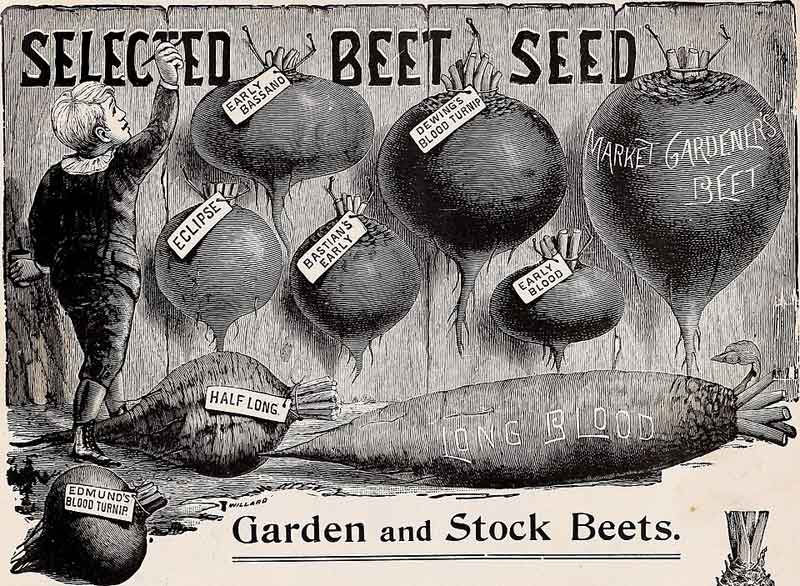
★ 6) Bonus goal: add foods with natural nitrates (beets, celery, lettuce, cabbage, broccoli, spinach, carrots). No, processed meats don't count. If you can't resist eating processed meats with nitrates add vitamin C which will counteract the effects.
1) Be kind to yourself and go slow when you move
With disorders like Long COVID it is very important not to overexercise OR overexert yourself. This means go slow and monitor your symptoms. When I say GO SLOW with activity I mean go very slow. Any activity counts: doing the laundry, washing dishes, checking your mailbox, even putting on your shoes - are all physical activities.
Too much exercise can initiate an inflammatory cytokine storm which increases whole body inflammation and can cause health setbacks.
Long COVID (LC) causes changes in skeletal muscle structure; severe exercise-induced myopathy (muscle damage); and amyloid-containing deposits in skeletal muscles.
People with LC had higher proportion of highly fatigable glycolytic fibers (glycolytic type IIx) in the largest thigh muscle. These muscle fibers are known as fast twitch muscles; they are used for short bursts of power but get tired easily.
Muscle damage includes atrophy (shrinkage), necrotic fibers (dying), muscle regeneration attempts after exercise, and infiltration of immune cells (CD3+T-cells and CD68+ macrophages). The muscle damage and regeneration may cause the muscle pain, fatigue, and weakness seen in people with LC (discussion in Appelman et al. 2024). Check here for a list of Long COVID symptoms.
A high impact exercise is not what your body needs; it may need a very leisurely ten minute walk around a green park, one minute of gentle arm movement, some swaying or moving to your favorite song, tapping your feet softly on the ground while sitting, gentle muscle massages, or five minutes of some soft stretches. Try very gentle exercises first and see how your body reacts. If you are out of commission for a week go even easier the next time. If you feel fine up the exercise time or intensity slightly.
Start slow. You are not Rocky pushing through the pain to overcome. Don't shout at yourself, drill sergeant style. Don't let anyone else shame you either. Avoid classes with the word 'boot camp' or 'extreme challenge' in them. Think of your body as a fragile seedling that you are going to nourish and encourage to recover and grow.
Start with the easiest version of any exercise or activity, do low repetitions, go slow and steady, take long rests between exercises, quit when you get tired or even slightly out of breath, and keep checking in with yourself to make sure you are not pushing yourself.
If you can only do one minute of activity that is fine. I am going to repeat that, it is fine to do only one minute of exercise at first. You may need to do one repetition of an exercise and wait several hours before doing an additional repetition; that is fine. Your exercise may be sitting up in bed; that is also fine. This is not a race. It will take time. Be kind to yourself as you recover.
Easy mode for exercise:
Imagine doing a physical activity you enjoy. Thinking about exercise activates the motor neurons in your brain. Your brain contains mirror neurons that fire when an person moves, when a person thinks about moving, and when that person watches another person move. This can help prepare your brain and body for actual movement.
Healing exercise intolerance involves your brain and your body. You can use food to help reduce brain inflammation.
Important: after the activity REST to recover.
You may do a one block walk and afterwards need to rest for 10 minutes or more. You may need to lay down for 30 minutes after loading the washing machine. Take the time you need.
Some exercise options:
- Slow walking or rambling through nature can heal
- Pretend you are doing everything in slow motion
- Gentle Tai Chi or Qigong
- Dancing either by yourself or with others (dance freestyle or check out all the dance classes available on You Tube)
- Leisurely bike riding (no Tour de France and stay away from illegal steroids)
- Gentle yoga or stretching
- Light weight lifting
- Water aerobics
- Chair exercises
- Breathing exercises
- Light gardening
- Create art
- Easy house cleaning
- Functional movements that mimic what you do day to day (pushing, pulling, squatting, lunging, carrying etc.)
- Interval training works well for some people
- Resistance bands
- Isometric exercises like the plank and wall sit
Robert F. (64 year old man): "What worked for me was to find my maximum baseline for exercise - I figured out how long I could walk at a time without crashing or having crushing exhaustion afterwards. Then I aimed to do around 70-75% of my baseline each day. That left me around 25-30% energy in reserve.
I was consistent and walked on both bad days and good days. After a couple of weeks I begin to gradually increase my walking distance by a few minutes. If I still felt OK I kept going. If I felt worse, I reduced the distance for a while. Doing this I gradually increased the time I walked from eight minutes to 45 minutes. It took me about eleven months."
2) Exercise intolerance can be caused by an autonomic nervous system (ANS) dysfunction or dysregulation:
Your autonomic nervous system (ANS) controls all of your involuntary physiologic processes like sweating, breathing, digestion and more. Brain injuries caused by trauma or viruses can screw up your ANS. When it messes up it can take out regulation for systems you normally don't have to think about - like breathing or cerebral (brain) blood flow.
To treat ANS problems you have to retrain your brain to work correctly. This requires exercise. Recent evidence indicates that people with concussions need aerobic exercise to recover (Leddy et al. 2018). Although this study looked at concessions; it is likely that other brain injuries that cause ANS will respond to this treatment.
To treat exercise intolerance caused by an ANS dysfunction you need to exercise at just below the point at which you get symptoms. This is called your sub-symptom threshold.
You will have to pay close attention to how you feel. Determine the point and the heart rate during exercise at which you start to feel your symptoms increase. Exercise for short periods just below your threshold for symptoms. You may need to use a heart rate monitor to help keep track of what heart rate to stay under.
Sub-threshold exercise works. It normalized exercise tolerance, exercise ventilation, CO2 sensitivity, cells that sense arterial CO2 tension (PaCO2), and cerebral blood flow, while restoring abnormal CNS activity (good discussion of this in Leddy et al. 2018).
This same study reported that sustained rest from all activities after a concussion (called cocoon therapy) did NOT help people recover! You need to add the slow build-up of activity.
Ödön Heller (1878-1921) Walking Woman in Red Blouse oil on canvas.

Example: Lydia has Long COVID and gets severe breathlessness, fatigue and muscle pain that starts when her heart rate goes over 105 bpm.
Lydia should wear a heart rate monitor and exercise at 90-100 bpm for 1-10 minutes. She needs to start exercising with less time and gradually work up to more time.
3) How to get your mitochondria back on track if exercise is hard
Treat your mitochondria gently but not like invalids. There is a reason that hospitals make people get up and move around after surgery or heart attacks. Moving promotes healing. Note: I said moving not extreme crossfit or training for a marathon.
Whole body inflammation can cause you to have low energy. This is because inflammation causes mitochondria to morph from healthy fit mitochondria into small and dysfunctional mitochondria (it is like Pokémon evolution in reverse). Dysfunctional mitochondria cannot do their job of energy production very well. You have less energy so you get tired easier.
Try an anti-inflammation diet and lifestyle to help reduce inflammation and heal mitochondria.
Astaxanthin for your mitochondria:
Astaxanthin is a powerful antioxidant and carotenoid. It can help maintain mitochondrial function and prevent mitochondrial dysfunction. Interestingly, astaxanthin adjusts mitochondrial functions by a novel mechanism that is independent of its antioxidant function (Nishida et al. 2022).
Astaxanthin is very powerful and may help people (and pets) with exercise intolerance, arthritis and chronic pain.
Astaxanthin inhibits the damaging effects of mitochondrial overload. This means there is reduced muscle damage after heavy exercise, reduced oxidative modification of skeletal muscle proteins, and reduced inflammatory markers (discussion Nishida et al. 2022.)
Not content with reducing muscle damage, astaxanthin also improves glucose and lipid metabolism along with muscle strength. It does this mostly by fixing the abnormal gene expression or protein modification that occurs in the mitochondria.
Astaxanthin improves mitochondrial activity by its powerful antioxidant activity and by directly acting on the AMPK/Sirtuins/PGC-1a pathway as well as other pathways (see whole mechanism at Nishida et al. 2022).
This supplement has also been shown to reduce neuroinflammation, promote nerve regeneration, and alleviate chronic pain. It alleviates inflammation by regulating the microglial M1/M2 ratio (Jing-Hao et al. 2024). M1 is pro-inflammation, while M2 is anti-inflammation; astaxanthin decreases M1 to help reduce inflammatory cytokines. Normal dose is 4-12 mg per day.
Personal note: This is one of my most recommended supplements. I take astaxanthin myself and I give it to my pets. I actually know some of the first scientists who researched this supplement.
4) How to reduce inflammation
This is one of the main themes of this website. Check out our webpages on reducing inflammation through diet and lifestyle. There are many foods that can combat inflammation.
5) Practice Pacing
Pacing is sometimes called activity management. It is balancing activities or exercise with rest to avoid making symptoms worse. I have heard a similar strategy referred to as spoons.
People have to determine their individual limits/tolerances for mental and physical activity. Then, they can plan activity and rest to stay within these limits. Some patients and health care providers refer to staying within these limits as staying within the energy envelope.
One way to do this is to try to minimise post-exertional symptom exacerbation (PESE). PESE is also called post-exertional malaise (PEM) or post-exertional neuroimmune exhaustion (PENE). PENE is the worsening of symptoms after minimal cognitive, emotional, physical, or social activity, or any activity that could previously be tolerated easily. The trigger varies among different people.
Symptoms can include fatigue, cognitive impairment, flu-like aches and pains, general pain, body weakness, and trouble sleeping.
The main key is to become aware of your limits and your triggers.
Signs of exercise intolerance
- Shortness of breath
- Chest pain
- Severe muscle pain
- Muscle cramps
- Injuries
- Severe fatigue during or after exercise
- Sweating a lot
- Vomiting
- Nausea
- Blurred vision
Potential causes: Long COVID, heart disease, autoimmune disorders, diabetes, electrolyte imbalance, and others. If you are not sure what is going on please get yourself checked out by a good doctor.
6) Eat foods with natural nitrates to gain energy.
Add dietary nitrogen. Nitrates and nitrites produce a small gas molecule called nitric oxide (NO). Muscle nitrate stores are extremely sensitive to dietary nitrate levels. Supplementing with nitrate foods can improve skeletal muscle function and exercise performance (Jones at al. 2021). Foods with nitrate include green leafy vegetables like cabbage, kale, bok choy, lettuce, rocket, and spinach, some root vegetables like carrots and beetroot as well as eggplant and wax guards (Hord et al 2009).
Alfred J. Brown Seed Co. - growers, merchants and importers of garden, farm and flower seeds (1900).
Nitric oxide (NO) plays a role in:
1) Cardiovascular system: vasodilation, control of blood flow and pressure, exchange of macromolecules between the blood and tissues and blood clotting
2) Immune defense: modulation of inflammatory processes, influence immune cell function and phenotypes, prevent inappropriate leukocytes activation
3) Neurotransmission (communication between neurons): NO acts as a signaling molecule
4) Skeletal muscle contractile function: very complex interaction that modulates muscle contractions and increases or decreases force and/or power output (Kumar et al. 2022).
5) Mitochondrial respiration (Poderoso et al. 2019). NO acts to regulate respiration. Can either inhibit or protect mitochondria functions.
Discussion in Hord et al. 2009, Raubenheimer et al. 2019, Jone et al. 2021, and Kumar et al. 2022.
By Susan Fluegel PHD Nutritional Biochemistry
*Names and some minor identifying details in all stories in this website are changed to protect people's privacy
I'm not your doctor so this is not medical information. I'm just a person who would like to see you happy and healthy. If you have any questions or concerns about starting an exercise regiment, diet program, or supplements please consult a professional.
Disclaimer: This is not medical advice. Exercise intolerance can be caused by problems that need treated; like heart disease. Please try to find out what is causing your exercise intolerance.
References:
Appelman B, Charlton BT, Goulding RP, Kerkhoff TJ, Breedveld EA, Noort W, Offringa C, Bloemers FW, van Weeghel M, Schomakers BV, Coelho P, Posthuma JJ, Aronica E, Joost Wiersinga W, van Vugt M, Wöst RCI. Muscle abnormalities worsen after post-exertional malaise in long COVID. Nat Commun. 2024 Jan 4;15(1):17. doi: 10.1038/s41467-023-44432-3. Full article.
Baraniuk JN. Exertional Exhaustion (Post-Exertional Malaise, PEM) Evaluated by the Effects of Exercise on Cerebrospinal Fluid Metabolomics-Lipidomics and Serine Pathway in Myalgic Encephalomyelitis/Chronic Fatigue Syndrome. International Journal of Molecular Sciences. 2025; 26(3):1282. https://doi.org/10.3390/ijms26031282 Full article.
Charfeddine S, Ibn Hadj Amor H, Jdidi J, Torjmen S, Kraiem S, Hammami R, Bahloul A, Kallel N, Moussa N, Touil I, Ghrab A, Elghoul J, Meddeb Z, Thabet Y, Kammoun S, Bouslama K, Milouchi S, Abdessalem S, Abid L. Long COVID 19 Syndrome: Is It Related to Microcirculation and Endothelial Dysfunction? Insights From TUN-EndCOV Study. Front Cardiovasc Med. 2021 Nov 30;8:745758. doi: 10.3389/fcvm.2021.745758. Full article.
Cook DB, VanRiper S, Dougherty RJ, Lindheimer JB, Falvo MJ, Chen Y, Lin JS, Unger ER; MCAM Study Group. Cardiopulmonary, metabolic, and perceptual responses during exercise in Myalgic Encephalomyelitis/Chronic Fatigue Syndrome (ME/CFS): A Multi-site Clinical Assessment of ME/CFS (MCAM) sub-study. PLoS One. 2022 Mar 15;17(3):e0265315. doi: 10.1371/journal.pone.0265315. Full article.
Durstenfeld MS, Sun K, Tahir P, Peluso MJ, Deeks SG, Aras MA, Grandis DJ, Long CS, Beatty A, Hsue PY. Use of Cardiopulmonary Exercise Testing to Evaluate Long COVID-19 Symptoms in Adults: A Systematic Review and Meta-analysis. JAMA Netw Open. 2022 Oct 3;5(10):e2236057. doi: 10.1001/jamanetworkopen.2022.36057. Full article.
Hord NG, Tang Y, Bryan NS. Food sources of nitrates and nitrites: the physiologic context for potential health benefits. Am J Clin Nutr. 2009 Jul;90(1):1-10. doi: 10.3945/ajcn.2008.27131. Full article.
Jeppesen TD. Aerobic Exercise Training in Patients With mtDNA-Related Mitochondrial Myopathy. Front Physiol. 2020 May 21;11:349. doi: 10.3389/fphys.2020.00349. Full article.
Jones AM, Vanhatalo A, Seals DR, Rossman MJ, Piknova B, Jonvik KL. Dietary Nitrate and Nitric Oxide Metabolism: Mouth, Circulation, Skeletal Muscle, and Exercise Performance. Med Sci Sports Exerc. 2021 Feb 1;53(2):280-294. doi: 10.1249/MSS.0000000000002470. Full article.
Kahn PA, Joseph P, Heerdt PM, Singh I. Differential cardiopulmonary haemodynamic phenotypes in PASC-related exercise intolerance. ERJ Open Res. 2024 Feb 12;10(1):00714-2023. doi: 10.1183/23120541.00714-2023. Full article.
Kumar R, Coggan AR, Ferreira LF. Nitric oxide and skeletal muscle contractile function. Nitric Oxide. 2022 May 1;122-123:54-61. doi: 10.1016/j.niox.2022.04.001. Full article.
Jing-Hao Liang, Yue-Hui Zheng, An-Hao Guo, Heng Yu, Chuan-peng Xia, Zhe-Yu Zhang, Long Wu, Hede Yan, Astaxanthin promotes nerve repair by regulating the M1/M2 ratio of microglia and promoting angiogenesis, Journal of Functional Foods, Volume 121, 2024, 106424, ISSN 1756-4646, https://doi.org/10.1016/j.jff.2024.106424. Full article.
Leddy JJ, Wilber CG, Willer BS. Active recovery from concussion. Curr Opin Neurol. 2018 Dec;31(6):681-686. doi: 10.1097/WCO.0000000000000611. Full article.
Marshall RP, Droste JN, Giessing J, Kreider RB. Role of Creatine Supplementation in Conditions Involving Mitochondrial Dysfunction: A Narrative Review. Nutrients. 2022 Jan 26;14(3):529. doi: 10.3390/nu14030529. Full article.
Nishida Y, Nawaz A, Hecht K, Tobe K. Astaxanthin as a Novel Mitochondrial Regulator: A New Aspect of Carotenoids, beyond Antioxidants. Nutrients. 2021 Dec 27;14(1):107. doi: 10.3390/nu14010107. Full article.
Perrey S. Promoting motor function by exercising the brain. Brain Sci. 2013 Jan 25;3(1):101-22. doi: 10.3390/brainsci3010101. Full article.
Poderoso JJ, Helfenberger K, Poderoso C. The effect of nitric oxide on mitochondrial respiration. Nitric Oxide. 2019 Jul 1;88:61-72. doi: 10.1016/j.niox.2019.04.005. Summary.
Pleguezuelos E, Del Carmen A, Llorensi G, Carcole J, Casarramona P, Moreno E, Ortega P, Serra-Prat M, Palomera E, Miravitlles MM, Yebenes JC, Boixeda R, Campins L, Villelabeitia-Jaureguizar K, Garnacho-Castaño MV. Severe loss of mechanical efficiency in COVID-19 patients. J Cachexia Sarcopenia Muscle. 2021 Aug;12(4):1056-1063. doi: 10.1002/jcsm.12739. Full article.
Prasannan N, Heightman M, Hillman T, Wall E, Bell R, Kessler A, Neave L, Doyle A, Devaraj A, Singh D, Dehbi HM, Scully M. Impaired exercise capacity in post-COVID-19 syndrome: the role of VWF-ADAMTS13 axis. Blood Adv. 2022 Jul 12;6(13):4041-4048. doi: 10.1182/bloodadvances.2021006944. Full article.
Raubenheimer K, Bondonno C, Blekkenhorst L, Wagner KH, Peake JM, Neubauer O. Effects of dietary nitrate on inflammation and immune function, and implications for cardiovascular health. Nutr Rev. 2019 Aug 1;77(8):584-599. doi: 10.1093/nutrit/nuz025. Abstract.
Stefano GB, Büttiker P, Weissenberger S, Ptacek R, Wang F, Esch T, Bilfinger TV, Raboch J, Kream RM. Biomedical Perspectives of Acute and Chronic Neurological and Neuropsychiatric Sequelae of COVID-19. Curr Neuropharmacol. 2022;20(6):1229-1240. doi: 10.2174/1570159X20666211223130228. Full article.
van Voorthuizen EL, van Helvoort HAC, Peters JB, van den Heuvel MM, van den Borst B. Persistent Exertional Dyspnea and Perceived Exercise Intolerance After Mild COVID-19: A Critical Role for Breathing Dysregulation? Phys Ther. 2022 Oct 6;102(10):pzac105. doi: 10.1093/ptj/pzac105. Full article.
Zong Y, Li H, Liao P, Chen L, Pan Y, Zheng Y, Zhang C, Liu D, Zheng M, Gao J. Mitochondrial dysfunction: mechanisms and advances in therapy. Signal Transduct Target Ther. 2024 May 15;9(1):124. doi: 10.1038/s41392-024-01839-8. Full article.