Healthy Substitutes for Ultra-Processed Food
Make changing your diet easier and less painful!
Switch out your ultra-processed food choices with similar but healthier choices.
If you like:
✽ Sugary beverages like soft drinks, colas, sugary coffee drinks, sports drinks, energy drinks, lemonade, and fruit punch. Artificially sweetened drinks like Zero calorie sodas.
✽ Sweet or savory packaged snacks such as potato chips, flavored tortilla chips, bars, donuts and cookies
✽ Sweetened breakfast cereals and sweetened oatmeal (especially avoid cereals that are in a non-natural form). Do you want to know how they make ultraprocessed food, especially cereal, those weird shapes?
✽ Reconstituted meat products such as fish sticks, some chicken tenders and hot dogs
✽ Baking mixes like stuffing, brownie, corn bread, cake, and cookie mixes
✽ Frozen meals like pizza and TV dinners
Charles Frederick Naegele (1857-1944) Boy eating next to bust 1889.
_90_11zon.webp)
✽ Powdered and packaged instant soups
✽ Candies and other sweets
✽ Packaged breads and buns
✽Energy and protein bars and shakes
✽ Meal replacement shakes and powders meant for weight loss
✽ Boxed pasta products such as mac and cheese, and spaghetti
✽ Ice cream, sweetened yogurt, and cocoa mixes
✽ Margarine and other ultra-processed spreads such as sweetened cream cheese
Exchange for less processed choices: butter, olive oil, cold pressed vegetable and nut oils, and unsweetened cream cheese with add on fruits or berries.
* Ann K. "Convenience is vital for me to avoid junk food. I like healthy easy to eat options: hard boiled eggs, apples, bananas, nut bars, cottage cheese, Greek yogurt, string cheese, tuna packets, and celery and peanut butter. For a quick snack, I'll sometimes mix 1 cup plain Greek yogurt with cinnamon and some frozen/fresh berries. Popcorn really helps with salty crunch cravings."
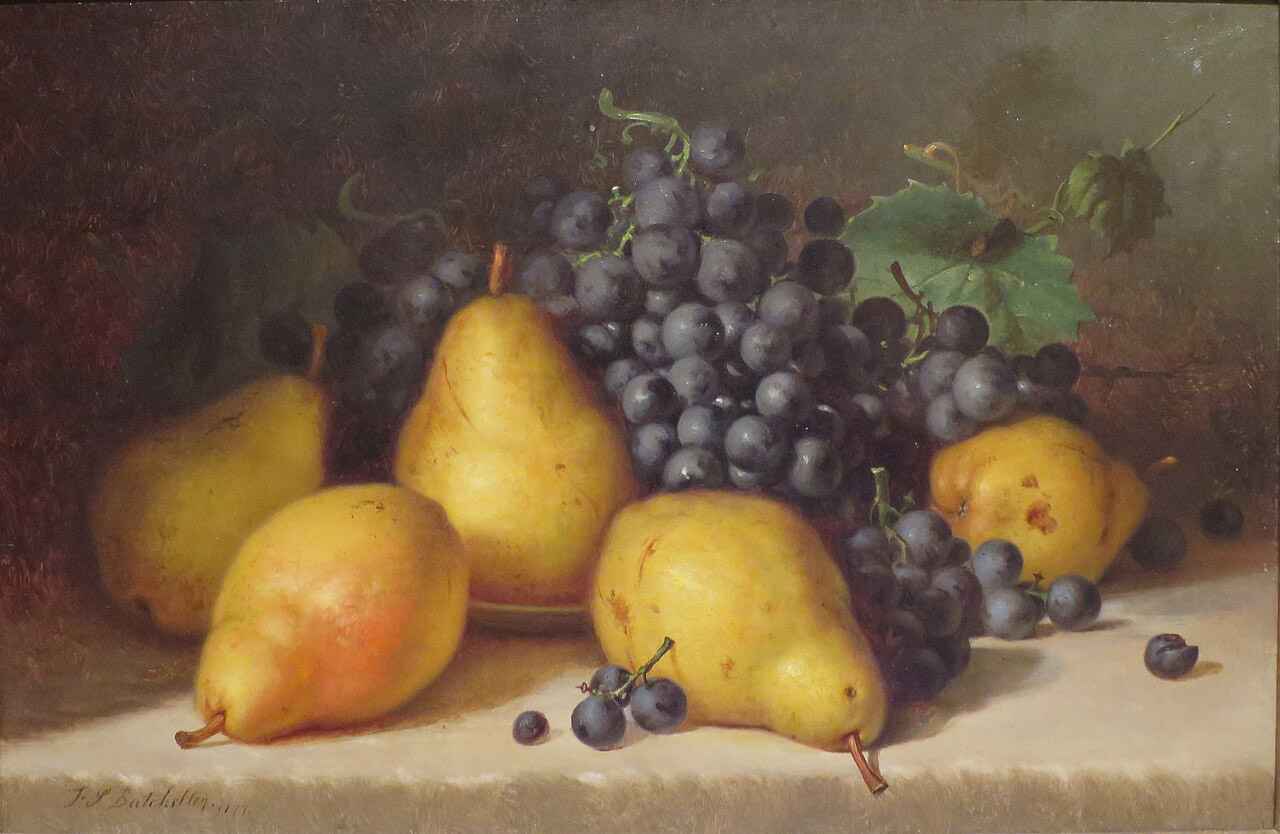
Frederick Stone Batcheller - Grapes and Pears c1877.
This healthy smoothie is great for breakfast or as a snack.
Use either a blender or a stick mixer (I recommend stick mixer since it is a snap to clean).
Liquid: add 1/3-1.5 cup of liquid, common choices include water, milk, fruit juice, plant drinks, coconut milk etc. I use homemade kefir in mine which is low in milk sugar - the kefir bacteria and yeast consume lactose.
Dump in a protein source: protein powder (whey, egg or plant based powders or isolates), can add chia seeds, flax seeds, hemp hearts, nut butters, Greek yogurt or others.
Add: 0.5-1.5 cup of fresh or frozen fruit (I like frozen berries like blueberries, strawberries and raspberries), peaches, oranges and nectarines are good too. Some people add 1 cup ice instead of frozen fruit.
Optional ingredients:
Sweetener: I don't use sweeteners since I use sweet berries, but some people like to add honey, agave, maple syrup, coconut sugar or regular sugar. If you want to use a no calorie sweetener it is best to stick with natural ones like yacon syrup or monk fruit sweetener. You can start with a sweetener in your smoothie and gradually decrease it to get used to a less sweet shake too.
Greens: You can add spinach, swiss chard or other dark greens to the shake. Be careful, some greens will make it bitter. Be careful if you are sensitive to oxalate acid.
Fiber source: add high fiber ingredients such as flax seeds, chia seeds, raw flaked oats, berries, pears, nuts and seeds.
Blend until smooth for a quick healthy meal replacement shake.
Oxalate acid warning: Some people don't react well to the oxalates found in greens like spinach. Oxalates, or oxalate acid, are naturally occurring organic salts called dicarboxylic acids (HOOC-COOH) found in many plant foods. Your body can also make oxalate acid as a metabolism product (Avila-Nava et al. 2021).
Foods extremely high in oxalate acid include: spinach, rhubarb, chard, soy, snap beans, rice bran, buckwheat, almonds, cocoa powder, and baked potatoes with skin. For a more complete list of oxalate acid in foods see this handy searchable data base of oxalate content in foods.
Oxalates can bind minerals and make them unavailable for you to use (calcium, zinc, iron, and magnesium); displace sulfur by binding to sulfur receptors; activate mast cells; contribute to kidney stones; and form crystals that build up and cause joint and body pain.
Your body can break down and remove oxalate acid. To help remove excess oxalates take some dietary precautions. Drink water to flush out oxalates. Take calcium (or consume calcium rich foods), which bind to oxalates and remove them from the body. Replace some raw leafy greens with cooked greens. Cooking lowers the oxalate content.
Warning: don't add banana to your berry smoothie. Bananas contain high amounts of polyphenol oxidase (PPO), a enzyme that interferes with your ability to absorb flavanols. People consumed two different smoothies; banana (high in PPO) or mixed berries (low in PPO); and took a flavanol capsule at the same time. When the researchers measured flavanol levels in blood and urine samples they found that the banana smoothie decreased flavonols by 84% compared to the mixed berry smoothie (Ottaviani et al. 2023).
It is fine to eat your banana at a different time.
José Ferraz de Almeida Júnior Boy with a Banana oil on canvas c1897.

Food choices begin at the supermarket
If you want to make better food choices try these tips before your next supermarket trip:
Make a list of what you need. Bonus: this will help you plan meals and save money by shopping sales.
Eat before you go to the grocery store. Hungry people make poor choices.
Skip aisles or parts of the store that are too tempting for you. You don't have to go down every aisle! Luckily most supermarkets cluster their products so you can easily reach the produce section without wheeling past the Cheeto section.
A good technique is to skirt around the outside aisles where most stores have their produce, milk and meat and only go into inner aisles if you need something.
By Susan Fluegel PHD Nutritional Biochemistry and Lori Wood MS Human Nutrition.
*Names and some minor identifying deta+ils in all stories in this website are changed to protect people's privacy.
This information is for informational purposes only and does not constitute medical advice, diagnosis, or treatment.
References:
Ottaviani JI, Ensunsa JL, Fong RY, Kimball J, Medici V, Kuhnle GGC, Crozier A, Schroeter H, Kwik-Uribe C. Impact of polyphenol oxidase on the bioavailability of flavan-3-ols in fruit smoothies: a controlled, single blinded, cross-over study. Food Funct. 2023 Sep 19;14(18):8217-8228. doi: 10.1039/d3fo01599h. Full article.