Elimination Diets 101
Do you think you have a food allergy?
In the Elimination Diet you remove suspected allergenic foods from your diet. Food sensitivity and allergy reactions can include upset stomach, diarrhea, headache, brain fog (you can't think straight), physical illness, arthritis, ADD/ADHD, autoimmune disorders, asthma, allergies and other symptoms.
Surprisingly, mood disorders and feelings of anger, sadness, anxiety, or stress can also be the result of eating the wrong kinds or amounts of food.
Foods are removed for 3-4 weeks and gradually reintroduced to see what happens. You can go whole hog and remove a lot of foods or you can go minimalist and remove just the one(s) that you suspect are the culprits.
What are the most common food allergies?
According to the USDA, the main food allergies in the US are cow milk, chicken eggs, fish, shellfish, tree nuts, peanuts, wheat, soybeans, and sesame (Francis et al. 2020). The first eight foods account for 90% of food allergenic reactions. About 6% of adults and 8% of children have a food allergy (USDA website).
Milk: About 2% of people in the USA are allergic to cow milk; they normally react to the casein protein, whey protein or bovine serum albumin. About 90% of children allergic to cow milk are also allergic to goat, sheep or buffalo milk. People allergic to cow milk can normally tolerate donkey, horse or camel milk. Many children outgrow their milk allergy.
Lactose intolerance is different than allergy. Lactose intolerance is when you body lacks the enzymes to break down milk sugar.
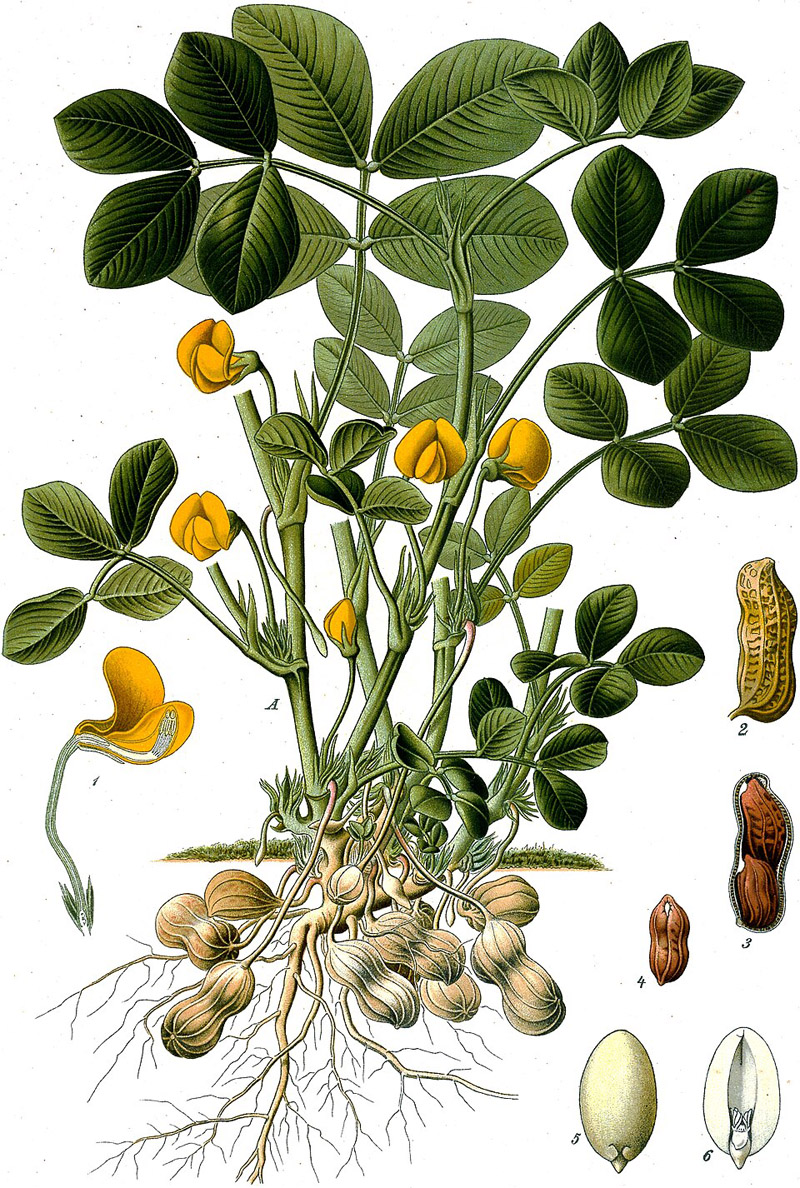
Peanuts: Peanut allergies occur in 2.5% of children. This is one of the most dangerous allergies and can include anaphylaxis. People with peanut allergies can also react to lupin flour and fenugreek (both legumes).
If you don't want your babies to develop a peanut allergy the latest guidelines suggest it is important to give them peanuts at a young age (as young as 4-6 months in some cases). Please see this PDF report Addendum Guidelines for the Prevention of Peanut Allergy in the United States for more details.
Alpha-gal syndrome (AGS): is a potentially life threatening allergic condition that happens after eating red meat and other products made by mammals, such as milk. It is associated with the bite of the Lone Star ticks.
Which elimination diet do you want to try?
To go for the Deluxe Elimination Diet remove gluten, dairy, soy, eggs, corn, pork, beef, chicken, beans/lentils, coffee, citrus fruits, nuts, and nightshade vegetables (tomatoes, peppers, potatoes) from your diet. Basically, you can eat turkey, fish, lamb, rice, and most fruits and vegetables. These acceptable foods were chosen because they are not normally allergenic. Think about the expensive bags of 'hypoallergenic' Fido Chow made of lamb and rice or salmon and rice at the pet store. Yes, this is hard core.
People who don't want to revamp their entire diet can try the Lite Elimination Diet. Basically you just eliminate foods that you suspect are giving you grief.
For either diet: after 4-5 weeks of the diet monitor how you feel and what symptoms are occurring:
I feel the same: If you feel the same as when you started the diet, the foods eliminated are unlikely to have been the problem. In this case, you can look at what you are still eating or see if your problems are caused by something other than food.
I feel better: If you feel better or your symptoms are reduce or eliminated, you may have a food allergy, sensitivity, intolerance or malabsorption to one or more of the foods you eliminated from your diet. To determine the culprit, begin to gradually introduce foods and see how you feel. Add one food and monitor your symptoms for two days. If you have no noticeable symptoms, reintroduce another food for one day and monitor your symptoms.
Symptoms to watch out for include: fatigue, intestinal upsets, stomach or bowel change, bloating or water retention, headache, joint pain, inflammation, mood changes such as anger or sadness, brain fog, asthma, sinus problems, and any other negative physical or mental problems.
Note: you may be allergic to a food dye or other hidden food additive! See Skypala 2019 for a list of some hidden allergens.
*Joseph K: "I had gastric problems so I did an elimination diet. Now I avoid nightshades (tomatoes, eggplant, potatoes, peppers), corn, soy, wheat and diet sodas. There are other foods that I limit to a couple of times a week.
I found that eating these foods cause me really bad gastric problems, bloating and joint pain. These are my problem foods. I also cut out added sugar and processed carbs to help with weight loss.
My diet now is mostly beef, pork, chicken, butter, avocados, sweet potatoes, other vegetables and berries. My chronic pain and brain fog is gone. I sleep better at night and my waist size has decreased by seven inches."
Which allergies are most dangerous?
Peanut and tree nuts are the most common triggers of fatal anaphylaxis. These two foods are present in up to 87% of deaths. Other foods, such as milk and seafood were also important causes of death in some countries (Pouessel et al. 2018, Skypala 2019).
In Europe, anaphylaxis was mainly caused by food (66%) and insect venom (19%). Foods causing the reaction were cow's milk and chicken eggs for babies and toddlers under two years old, hazelnut and cashew in younger children, and peanuts for all children and teenagers (Grabenhenrich et al. 2016).
Personal Food Intolerance Tale:
I (Susan) did a version of the Lite Elimination Diet because I suspected I was having a negative reaction to carbohydrates. I cut out refined carbohydrates, including grains, and refined sugars from my diet for around a month. I continued to eat most other whole natural foods. After a few days I felt wonderful, lost a few pounds, and had boundless energy and glowing skin. I could tell something was happening but I attributed it to reducing carbohydrates.
At the end of the month I ate a handful of wheat thins. I have never felt so sick as I did a few hours later! It turned out I was gluten sensitive not carbohydrate sensitive, which I confirmed with a little more testing on my part. I now eat wheat and gluten free.
My friends wondered if my strict adherence to gluten free was worth forgoing donuts. It certainly is worth it! These are the benefits I get from continuing to avoid treats made from wheat.
• I hardly ever get headaches (maybe 2-3 per year). I used to get frequent headaches.
• My brain fog has disappeared totally. I used to get frequent brain fog and be unable to think straight. I hated it because I don't like my head feeling fuzzy. Now I never get brain fog except for a few times when I accidently have consumed wheat.
• I sleep better. Now I am awake or asleep. I don't lie around in a half-awake stupor.
• My digestive system is much happier and runs smoothly.
• I have lots of energy.
• I feel really happy almost all the time. I have always been a positive person but eliminating gluten has made me almost disgustingly happy. This uptick in mood has been noticed by other family members and friends as well.
If I accidently eat wheat or gluten I get a headache, and become grumpy and angry (over nothing) fairly quickly. I suspect other gastrointestinal problems would develop if I continued to eat wheat but quite frankly, it is not worth it.
If I had been more observant I might have noticed my wheat intolerance earlier. Even as a child, I didn't like pasta. When I ate large amounts of pasta or bread I usually got brain fog and fell into a sort of sleepy stupor. I thought it was due to eating too much sugar or sleeping too little. As I got older I developed many other symptoms of celiac disease; I just didn't recognize them.
Just because a food is good for some people doesn't mean it is healthy for you.
Eat Wheat for Better Health - DPLA Office of War Information c1943-45.

Note: I have never been formally diagnosed with Celiac's disease. Celiac's disease is an autoimmune disorder to gluten which causes damage to the small intestine.
The reason I never was formally diagnosed for Celiac disease is that testing involves eating 10-15 grams wheat for 6-8 weeks (around 2-4 slices of bread). This is called a gluten challenge. Exposure to wheat allows your body to develop antigens to gluten if you have Celiac's disease.
Wheat makes me feel so bad that I did not want to eat it just to know for sure; even for a few months.
Digestion & Terminology:
Allergy:
A very specific immune response when the food is eaten (or in some causes touched or inhaled). In allergies either the immunoglobulin E (IgE) or T-cells over react to the food. IgE releases histamine and other chemicals which can cause hives, itching, runny nose, watery eyes, wheezing, feeling sick or anxious and anaphylaxis. The offending food triggers an immediate response. People with allergies should avoid the food since allergies can escalate rapidly. Food allergies can also develop and change over time so you can become either more or less sensitive to a food.

Sensitivity:
People have an unpleasant reaction; such as acid reflux, stomach cramps, fatigue or mood changes; to certain foods. The causes of this may be unknown.
Some people believe that food sensitivities are provoked by a immunoglobulin G (IgG) immune response. Please do not be fooled by people who advocate blood testing for serum IgG as an indicator of food sensitivities. Science doesn't support this belief and you may be eliminating innocent and tasty foods. IgG concentrations measure a person's exposure to a substance; they are not an indication of an allergenic response. The exception is a diagnostic test for celiac disease.*
Numerous studies show that as serum concentrations of IgG for a food rise, tolerance for that food increases. Children who recovered at an early age from cow milk allergies had higher concentrations of serum IgG when compared to children whose allergies persisted as they got older (Savilahti et al. 2010, Savilahti and Savilahti 2013). Likewise, two-year old toddlers with egg and milk allergies were more likely to be able to consume milk and eggs at age four if they had high concentrations of serum IgG (Tomicić et al. 2009). Similar work showed that children desensitized to peanuts had higher concentrations of IgG (Jones et al. 2009, Vickery et al. 2013). Low concentrations of IgG may actually signify a food allergy. A recent study reported that children with milk and egg allergies had low concentrations of IgG (Savilahti et al. 2012).
Interesting Fact: Cow's milk allergy (CMA) affects 2-3% of infants. In most cases the allergy disappears as the child gets older (Savilahti and Savilahti 2013).
*The exception to IgG tests are two procedures used to diagnose celiac disease:
An older test is called IgG-gliadin antibody test. A positive test result indicates an immunological reaction to gluten. It may or may not mean you have celiac disease (people with celiac disease also have intestinal damage and inflammation). People who test positive for this test usually do have a gluten sensitivity. If you test negative on this test you most likely do not have a gluten disorder.
The newer test is called deamidated Gliadin Peptide antibody test which is used to help screen celiac disease patients by detecting gut damage. This is the test usually used in the United States today. If this test is positive you likely have celiac disease. If this test is negative, you probably do not have celiac disease BUT you may have gluten sensitivity.
Gliadin is one of the proteins found in gluten. So if you have been on a gluten free diet these test will not be accurate.
Intolerance:
The body lacks a specific enzyme to digest the food or the enzyme is malformed or something else is happening to prevent the food from being taken up by the intestine (i.e. lactose intolerance, celiac disease).
Intolerance is due to a metabolic and/or gastrointestinal reaction. There is a movement to change 'food intolerance' to 'food malabsorption' especially with fructose intolerance. In fact some people are quite vocal about it. It is true that malabsorption better describes what actually happens in the body.
Includes:
- Lactose Intolerance
- Celiac Disease (this is a non-IgE allergic reaction)
- Fructose Intolerance (Malabsorption)
Malabsorption:
The body lacks a specific enzyme to digest the food, the enzyme is malformed or the body is otherwise unable to digest the food.
Pharmacological food intolerances: Pharmacologically active substances, such as biogenic amines, in foods that can cause a reaction. Offending foods include:
- Phenylethylamine in chocolate
- Histamine in tomatoes, red wine and aged cheese
- Tyramine in chocolate and aged cheese
- Serotonin in bananas and nuts
- Glutamate (glutamate intolerance)
- Caffeine

Website by Susan Fluegel PHD Nutritional Biochemistry
*Names and some minor identifying details in all stories in this website are changed to protect people's privacy.
This information in this website is for informational purposes only and does not constitute medical advice, diagnosis, or treatment.
References:
Francis OL, Wang KY, Kim EH, Moran TP. Common food allergens and cross-reactivity. J Food Allergy. 2020 Sep 1;2(1):17-21. doi: 10.2500/jfa.2020.2.200020. Full article.
Grabenhenrich LB, Dölle S, Moneret-Vautrin A, Köhli A, Lange L, Spindler T, Ruëff F, Nemat K, Maris I, Roumpedaki E, Scherer K, Ott H, Reese T, Mustakov T, Lang R, Fernandez-Rivas M, Kowalski ML, Bilò MB, Hourihane JO, Papadopoulos NG, Beyer K, Muraro A, Worm M. Anaphylaxis in children and adolescents: The European Anaphylaxis Registry. J Allergy Clin Immunol. 2016 Apr;137(4):1128-1137.e1. doi: 10.1016/j.jaci.2015.11.015. Full article.
Jones SM, Pons L, Roberts JL, Scurlock AM, Perry TT, Kulis M, Shreffler WG, Steele P, Henry KA, Adair M, Francis JM, Durham S, Vickery BP, Zhong X, Burks AW. Clinical efficacy and immune regulation with peanut oral immunotherapy. J Allergy Clin Immunol. 2009;124:292-300. Full article.
Pouessel G, Turner PJ, Worm M, Cardona V, Deschildre A, Beaudouin E, Renaudin JM, Demoly P, Tanno LK. Food-induced fatal anaphylaxis: From epidemiological data to general prevention strategies. Clin Exp Allergy. 2018 Dec;48(12):1584-1593. doi: 10.1111/cea.13287. Summary.
Savilahti EM, Savilahti E. Development of natural tolerance and induced desensitization in cow's milk allergy. Pediatr Allergy Immunol. 2013;24:114-21. Summary.
Savilahti EM, Rantanen V, Lin JS, Karinen S, Saarinen KM, Goldis M, Mäkelä MJ, Hautaniemi S, Savilahti E, Sampson HA. Early recovery from cow's milk allergy is associated with decreasing IgE and increasing IgG4 binding to cow's milk epitopes. J Allergy Clin Immunol. 2010;125:1315-1321. Full article.
Savilahti EM, Viljanen M, Kuitunen M, Savilahti E. Cow's milk and ovalbumin-specific IgG and IgA in children with eczema: low β-lactoglobulin-specific IgG4 levels are associated with cow's milk allergy. Pediatr Allergy Immunol. 2012 Sep;23(6):590-6. doi: 10.1111/j.1399-3038.2012.01277.x. Abstract.
Skypala IJ. Food-Induced Anaphylaxis: Role of Hidden Allergens and Cofactors. Front Immunol. 2019 Apr 3;10:673. doi: 10.3389/fimmu.2019.00673. Full article.
Tomicić S, Norrman G, Fälth-Magnusson K, Jenmalm MC, Devenney I, Böttcher MF. High levels of IgG4 antibodies to foods during infancy are associated with tolerance to corresponding foods later in life. Pediatr Allergy Immunol. 2009;20:35-41. Abstract.
Vickery BP, Lin J, Kulis M, Fu Z, Steele PH, Jones SM, Scurlock AM, Gimenez G, Bardina L, Sampson HA, Burks AW. Peanut oral immunotherapy modifies IgE and IgG4 responses to major peanut allergens. J Allergy Clin Immunol. 2013 Jan;131(1):128-34.e1-3. doi: 10.1016/j.jaci.2012.10.048. Full article.
USDA website. Food Allergies: The "Big 9". Accessed August 4, 2025. Website.