How Nature Helps Healing
Just chilling in nature helps people reduce stress while improving brain and body functioning!
You don't even have to exercise to get the health benefits.
Stuck inside: Having houseplants count as being around nature! Think of them as mini indoor trees.
★ In the USA it is called nature experience, nature exposure, nature therapy, or being outdoors.
★ In Japan it is known as shinrin-yoku, which loosely translates either to forest bathing or more likely to absorbing the forest atmosphere.
★ Scandinavians call it friluftsliv (free-loofts-liv) which translates as open-air living.
Hanging out in forests, wetlands, coast lands or the local park is associated with improved brain function, better sleep quality, superior brain activity, lower blood pressure, stronger mental health, and more physical activity (discussion in Jimenez et al. 2021). People who spend time in nature have less stress as measured by a decreased heart rate, reduced blood pressure, reduced perceived stress and lower cortisol levels (Song et al. 2016, Kondo et al. 2018).
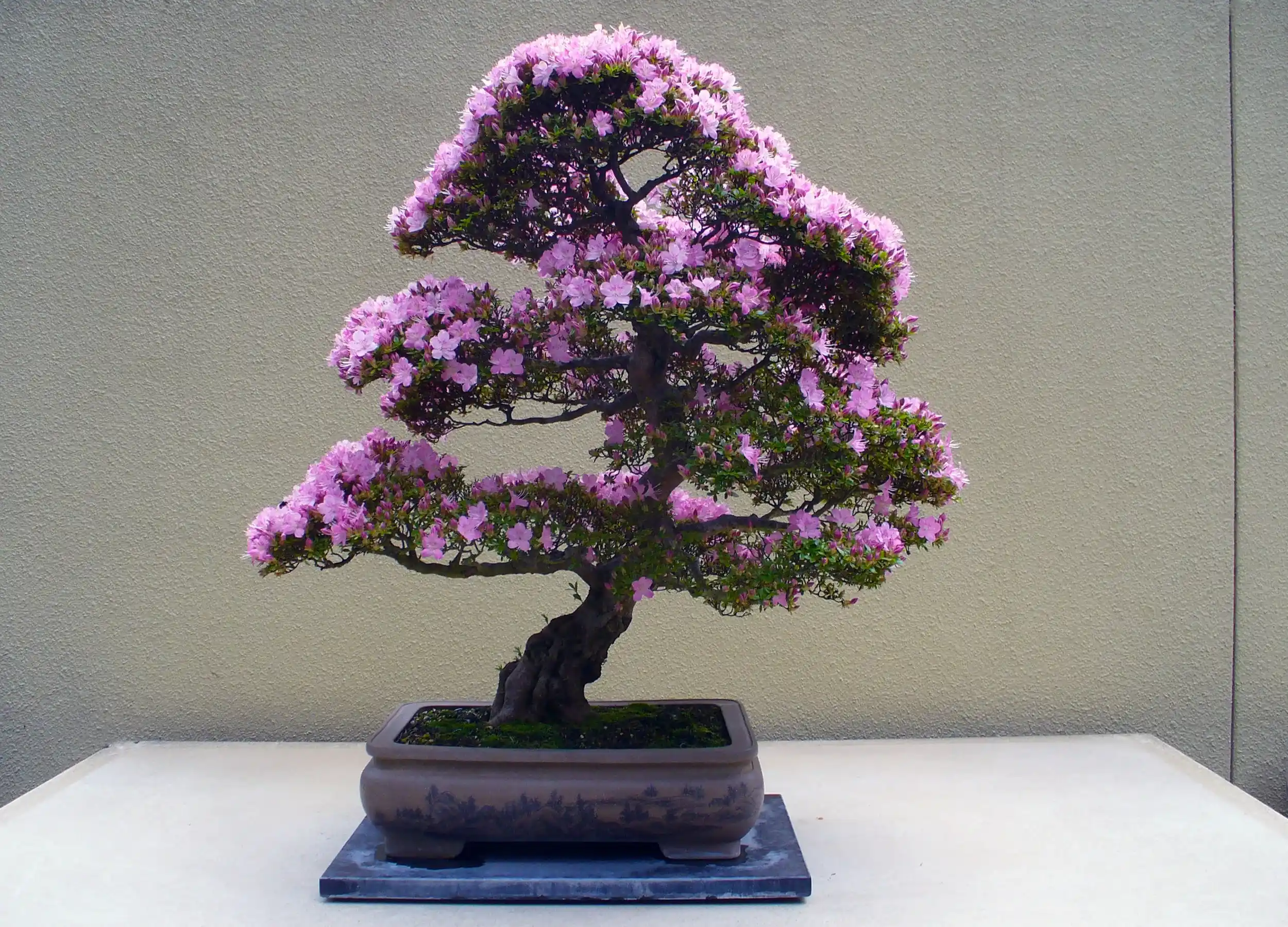
How nature heals:
- Ten minutes of nature exposure has significant short-term mental health improvements in all diagnosed mental illnesses
- Twenty-thirty minutes outdoors decreases stress
- Green space reduces oxidative stress
- Natural environments are linked with increased mental wellbeing
- Nature improves your working memory, cognitive flexibility and your mood
- Hanging out in the forest boosts the immune system and may help in the fight against disease and cancer
- People who spend time in green spaces use less prescription medications
- Green space improves children's brain development and lowers their risk of psychiatric disorders
Ten minutes of nature exposure has significant short-term mental health improvements in all diagnosed mental illnesses
A recent meta-analysis (45 studies, 1,492 people) found that a mere 10 minutes a day in nature helps people with mental illnesses (Bettmann et al. 2024).
Nature also includes urban nature, such as parks or botanical gardens. People had the best benefits from spending time in water based outdoor spaces, like on or near lakes, streams, rivers and oceans.
Other landscapes, like mountains, urban nature, forests and meadows also offered significant mental health benefits. Activities like farming, gardening and camping had huge positive impacts on mental health.
How to take advantage of nature therapy:
Start a small indoor or outdoor garden
Find a nearby park to jog, walk or sit in
Exercise plus nature offers even more health benefits
Take a trip to a woodland area to picnic or hike
Consider finding a local walking, hiking or biking group
Visit a local botanical garden
To decrease stress hormones spend 20-30 minutes outdoors
Frolicking in a park lowers stress.
Spending 20 to 30 minutes outdoors in a natural urban setting such as a park, yard or other outdoor green place was associated with a 21% drop in cortisol levels (Hunter et al. 2019). Longer times outdoors had increasing benefits. The stress reduction works even if you are just chilling out in a hammock or having a fun picnic.
Cortisol is a stress hormone produced by the adrenal glands. It is released through the sympathetic nervous system; the freeze, fight or flight system; when your body perceives danger. You need some cortisol. Cortisol boosts overall energy; helps manage inflammation; increases blood glucose; regulates blood pressure; directs the body how to use food energy; and regulates the wake sleep cycle.
But when cortisol goes bad it is bad for you. High cortisol levels over time can cause an increased risk of metabolic disorders, weight gain, brain fog or difficulty concentrating, immune system suppression, lack of energy and sleep disorders. Reducing cortisol concentrations helps to decrease inflammation and stress.
Natural environments are linked with increased mental wellbeing
Visit a park or wetland for better mental health.
Being exposed to natural environments is linked with increased mental wellbeing. For six weeks people spent 2 hours per week visiting a wetland and wildlife area while interacting with guides and other group members. The visits reduced anxiety, social isolation and rumination (fixation on negative thoughts) (Maund et al. 2019). People also reported better physical health while commenting on how they felt less stressed and angry and more calm and connected.
Numerous studies have reported that exposure to natural environments, when compared with exposure to urban environments, is associated with improved attention, executive function, and perceived restorativeness (discussion in Jimenez et al. 2021). Restorativeness is the potential of the environment to restore or replenish cognitive capacities related to the brain's information processing.
Nature improves your working memory, cognitive flexibility and your mood
Taking a walk (even in bad weather) boosts your brain power.
Working memory is the relatively small amount of information that you can hold in your mind while doing cognitive tasks like mental math or remembering a phone number. It helps with planning, comprehension, reasoning, and problem-solving (for a good discussion see Cowan 2013).
People diagnosed with Major Depressive Disorder (MDD) took a 50-minute walk on different days; one walk was in nature and the second was in an urban setting. After the nature stroll, they had significant increases in their memory span compared to when they walked in the city. They also felt better after the walk.
The cognitive benefits of spending time in nature are not due to changes in mood because changes in mood do not match up with the cognitive benefits (Berman et al. 2012, Stenfors et al. 2019). In other words, people who took a walk on a sleety winter day were not as happy as those who took a walk on a balmy summer day but both of their brains benefited equally from the walk. Even if you hate your walk it is still good for your brain (Berman et al. 2008, 2012).
Exposure to nature improves cognitive tasks that require working memory. Cognitive flexibility, the brain's ability to adapt to new environments or situations, improves most after nature exposure. Tasks requiring attentional control also show improvement. Attentional control is your ability to decide what to pay attention to and what to ignore. Basically, it measures your ability to ignore distractions and focus.
Nature exposure calms your mind by deactivating your amygdala
Let nature calm your fears by deactivating your amygdala.
The amygdala is part of your brain that processes fear, anxiety and threatening events. An overactive amygdala signals your brain to pump out stress hormones like cortisol; this activates your freeze, fight or flee response. Just to be clear, this is not a relaxing or fun event. Your heart rate jumps, your palms get sweaty and your emotions take over from your more logical frontal cortex.
The amygdala is activated when you are "too angry to think straight" or "too scared to move". This is called an amygdala hijack, since it hijacks the logical thinking part of your brain.
Amygdala activation decreases after women and men have a 1 hour walk in nature but remains stable after a 1 hour walk in an urban environment. This was measured by showing people in a MRI pictures of fearful or neutral faces (Fearful Faces Task). After the stroll in nature, people's response to fearful faces decreased by over half. This means the flight or flee response is not activated and people remain calm and stress free even when viewing something scary (Sudimac et al. 2022).
*Roger T: "Hiking heals my soul. I found that walking in the forest, especially alone with no people around, is incredibly healing when I am struggling with mental health issues. It grounds me."
Do you feel jumpy all the time? You may have post traumatic stress disorder (PTSD) and/or cPTSD.
Hanging out in the forest boosts the immune system and may help in the fight against disease and cancer
Spending several active days in the woods boosts your immunity.
Longer forest therapy along with exercise strengthens immune functioning. A dozen men with weaken immune systems spent 2 nights and three days in a forest. They walked once on day 1 and twice on day 2 (they spent around 2 hours hiking around 1.5 miles each time - so it was not strenuous activity).
Natural killer-cell (NK) activity was measured in the morning each day. Natural killer cells are immune cells that protect against viruses and tumors. NK cell activity had increased by 1.25 times on Day 1 and by 1.5 times on Day 2 (Li et al. 2007). This means that the body was better able to defend itself against disease and cancer after being in nature.
In a very similar study by the same researchers, 12 middle aged male subjects visited and walked in the forest for three days. Later, the same people visited for 3 days and walked similar amounts in the city of Tokyo. The forest exposure significantly increased NK activity and the numbers of NK, perforin (released by NK cells to destroy targeted cells), granulysin (released by NK cells to kill viruses and tumor/cancer cells), and granzyme A/B-expressing cells (a pathway the NK cells use to kill pathogens) and significantly decreased the concentration of adrenaline (this hormone is secreted adrenal glands when you are under stress) in urine. All of these markers occurred after the forest trip and immune markers were improved for a month. None of these beneficial effects were seen after the three day city trip (Li et al. 2008).
A parallel study by Li et al. 2008, recruited 13 healthy women nurses (25-43 years old), to spend 2 nights and three days with three low impact hiking sessions in the forest. Like the men above, forest exposure significantly increased NK activity and the numbers of NK, perforin, granulysin, and granzymes A/B-expressing cells. These are all immune boosting. Forest exposure also significantly decreased T cell percentage, as well as the concentrations of adrenaline and noradrenaline (both signs of stress if elevated) in urine.
People who spend time in green spaces use less prescription medications
Meander down the garden path to decrease your need for prescription drugs.
For Finish people (7,321 women and men in the study) that live in an urban area, frequent visits to green areas were associated with less frequent use of psychotropic drugs (drugs for mental health like antidepressants), antihypertensive and asthma medication (Turunen et al. 2023).
Green urban areas in the study were public green areas used mainly for recreational use. These included gardens, zoos, parks, castle parks, cemeteries, forests, herbaceous vegetation association (such as natural grassland and moors), and wetlands.
Combine art and nature to double the stress reduction!
Eugène Grasset & Félix Gaudin - Le Printemps 'Spring' c1894. Art nouveau stained glass window in the musée des Arts décoratifs, Paris, France.

Green space improves children's brain development and lowers their risk of psychiatric disorders
Want mentally healthy children? Taking your children to the parks improves their minds.
Kids who grow up surrounded by more green spaces have better cognitive development than children in a starker environment (Dadvand et al. 2015). Green spaces include land or parks that are partially or completely covered with grass, trees or other vegetation.
A huge study looking at over 900,000 people found that kids who grew up with the least amount of green space had up to a 55% higher risk of developing a psychiatric disorder as teenagers or as adults compared to kids who grew up with the highest amount of green space. This was independent from effects of other known risk factors (Engemann et al. 2019).
Green space reduces oxidative stress
Park visits reduce oxidative stress.
Italian children (8-11 years old) who were exposed to more green space and vegetation had less oxidative stress (Squillacioti et al. 2022). This effect was not due to increased physical activity.
Oxidative stress is due to too many free radicals and not enough antioxidants to neutralize them. Free radicals cause cell and tissue damage. Too much oxidative stress increases inflammation. Long term exposure to oxidative stress can trigger metabolic diseases, neurodegenerative diseases, cardiovascular disorders, cancer and other disorders (Sharifi-Rad et al. 2020).
Children c1901, by Ettore Tito oil on canvas.
,-by-Ettore-Tito.jpg)
Great news for people stuck indoors: house plants offer health benefits too.
Resting your eyes on indoor foliage plants improves your health and takes care of your stress.
Looking at the common dracaena plant resulted in a significant increase in the participants’ prefrontal cortex oxyhemoglobin levels. Your prefrontal cortex is the area of the brain that allows higher order reasoning and abstract thoughts. Oxyhemoglobin is the form of hemoglobin in the blood that carries oxygen (Igarashi et al. 2014). So just looking at a plant increased oxygen flow to the area of the brain that makes us uniquely human.
In most studies, viewing plants showed brain activation in the left half the prefrontal cortex and relaxation (as measured by lower oxyhemoglobin levels) in the right half of the prefrontal cortex (discussion in Park et al. 2017).
Similarly, elementary kids (11-13 years) that viewed live plants showed improvements in attention and concentration (Oh et al. 2019). Viewing or interacting with foliage plants can cause physiological and psychological relaxation by activating alpha brainwaves, which occur when a person is calm, and stabilizing the autonomic nervous system.
This means interacting or viewing leafy house plants basically calms down a freaked out or stressed nervous system. People felt comfortable, natural, and relaxed when looking at foliage plants. They also reported that they had significantly less tension, fatigue and anxiety, and increased vigor (Park et al. 2017).
Transplanting peperomia, a common houseplant, into a new larger pot reduced physiological and psychological stress in young men (around 25 years old) when compared to performing a computer task. Interacting with plants suppressed sympathetic nervous system activity and reduced diastolic blood pressure while promoting comfortable, soothed, and natural feelings. The sympathetic nervous system responds to stressful and dangerous situations with flight, freezing or fighting. As you can imagine, suppressing this system keeps you calmer and less stressed (Lee et al. 2015).
Interacting with leafy plants means things like transferring plant pots to a container, repotting plants, talking to your plants, gazing into their shiny leaves or other tasks; not playing poker with your spider plant or taking it out to dinner. Although if it helps you to relax go for it! We don't judge here.
Just looking at green-themed nature images enhanced mood in people with depression or anxiety disorders
Feeling blue or jittery? Look at pictures of nature to improve your mood.
People (60 total, 30 with depressive disorder and 30 with anxiety disorder) were shown either nature photos followed by urban photos or urban photos followed by nature photos. There were 12 green-themed nature images and 12 urban scenes with buildings (each shown for 15 seconds each). People who saw pictures of green spaces last had enhanced moods compared to the people who looked at pictures of buildings last (Mizumoto et al. 2024).
Take Home Message:
Live green spaces, both indoors and outdoors, improve mental and physical health!
What you can do: promote development of green spaces in your community
Bratman et al. 2019 looked at the benefits of nature experience for mental health and came to several conclusions.
1) Evidence supports common types of nature exposure promoting positive psychological well being.
2) Nature exposure reduces risk factors and burdens of some mental illnesses.
3) There is less opportunity for nature experiences around the world.
Their paper suggested that environmental advocates, city planners, community-based organizations, landscape architects and other interested people consider the importance of urban nature when planning or rebuilding cities and towns. They proposed a four step conceptional model for assessment of “psychological ecosystem services” using: 1) natural features of nature such as size, type and qualities; 2) duration, proximity and likelihood of nature exposure; 3) types, forms and intensity of nature experience, and 4) mental health effects of nature exposure.
Please read their paper for the research and facts needed to promote green areas in your community.
By Susan Fluegel PHD Nutritional Biochemistry
*Names and some minor identifying details in all stories in this website are changed to protect people's privacy.
This information in this website is for informational purposes only and does not constitute medical advice, diagnosis, or treatment.
References:
Bettmann JE, Speelman E, Blumenthal E, Couch S, McArthur T. How Does Nature Exposure Affect Adults With Symptoms of Mental Illness? A Meta-Analysis. Int J Ment Health Nurs. 2024 Dec;33(6):1889-1907. doi: 10.1111/inm.13400. Summary.
Bratman GN, Anderson CB, Berman MG, Cochran B, de Vries S, Flanders J, Folke C, Frumkin H, Gross JJ, Hartig T, Kahn PH Jr, Kuo M, Lawler JJ, Levin PS, Lindahl T, Meyer-Lindenberg A, Mitchell R, Ouyang Z, Roe J, Scarlett L, Smith JR, van den Bosch M, Wheeler BW, White MP, Zheng H, Daily GC. Nature and mental health: An ecosystem service perspective. Sci Adv. 2019 Jul 24;5(7):eaax0903. doi: 10.1126/sciadv.aax0903. Full article.
Dadvand P, Nieuwenhuijsen MJ, Esnaola M, Forns J, Basagaña X, Alvarez-Pedrerol M, Rivas I, López-Vicente M, De Castro Pascual M, Su J, Jerrett M, Querol X, Sunyer J. Green spaces and cognitive development in primary schoolchildren. Proc Natl Acad Sci U S A. 2015 Jun 30;112(26):7937-42. doi: 10.1073/pnas.1503402112. Full article.
Cowan N. Working Memory Underpins Cognitive Development, Learning, and Education. Educ Psychol Rev. 2014 Jun 1;26(2):197-223. doi: 10.1007/s10648-013-9246-y. Full article.
Berman MG, Kross E, Krpan KM, Askren MK, Burson A, Deldin PJ, Kaplan S, Sherdell L, Gotlib IH, Jonides J. Interacting with nature improves cognition and affect for individuals with depression. J Affect Disord. 2012 Nov;140(3):300-5. doi: 10.1016/j.jad.2012.03.012. Full article.
Engemann K, Pedersen CB, Arge L, Svenning J (2019) Residential green space in childhood is associated with lower risk of psychiatric disorders from adolescence into adulthood. Proceedings of the National Academy of Sciences, 116 (11) 5188. Full article.
Hansen MM, Jones R, Tocchini K. Shinrin-Yoku (Forest Bathing) and Nature Therapy: A State-of-the-Art Review. Int J Environ Res Public Health. 2017 Jul 28;14(8):851. doi: 10.3390/ijerph14080851. Full article.
Hunter MR, Gillespie BW, Chen SY. Urban Nature Experiences Reduce Stress in the Context of Daily Life Based on Salivary Biomarkers. Front Psychol. 2019 Apr 4;10:722. doi: 10.3389/fpsyg.2019.00722. Full article.
Igarashi M, Song C, Ikei H, Miyazaki Y. Effect of stimulation by foliage plant display images on prefrontal cortex activity: a comparison with stimulation using actual foliage plants. J Neuroimaging. 2015 Jan-Feb;25(1):127-30. doi: 10.1111/jon.12078. Full article.
Jimenez MP, DeVille NV, Elliott EG, Schiff JE, Wilt GE, Hart JE, James P. Associations between Nature Exposure and Health: A Review of the Evidence. Int J Environ Res Public Health. 2021 Apr 30;18(9):4790. doi: 10.3390/ijerph18094790. Full article.
Lee MS, Lee J, Park BJ, Miyazaki Y. Interaction with indoor plants may reduce psychological and physiological stress by suppressing autonomic nervous system activity in young adults: a randomized crossover study. J Physiol Anthropol. 2015 Apr 28;34(1):21. doi: 10.1186/s40101-015-0060-8. Full article.
Li Q, Morimoto K, Kobayashi M, Inagaki H, Katsumata M, Hirata Y, Hirata K, Suzuki H, Li YJ, Wakayama Y, Kawada T, Park BJ, Ohira T, Matsui N, Kagawa T, Miyazaki Y, Krensky AM. Visiting a forest, but not a city, increases human natural killer activity and expression of anti-cancer proteins. Int J Immunopathol Pharmacol. 2008 Jan-Mar;21(1):117-27. doi: 10.1177/039463200802100113. Full article.
Li Q, Morimoto K, Nakadai A, Inagaki H, Katsumata M, Shimizu T, Hirata Y, Hirata K, Suzuki H, Miyazaki Y, Kagawa T, Koyama Y, Ohira T, Takayama N, Krensky AM, Kawada T. Forest bathing enhances human natural killer activity and expression of anti-cancer proteins. Int J Immunopathol Pharmacol. 2007 Apr-Jun;20(2 Suppl 2):3-8. doi: 10.1177/03946320070200S202. Full article.
Kondo MC, Jacoby SF, South EC. Does spending time outdoors reduce stress? A review of real-time stress response to outdoor environments. Health Place. 2018 May;51:136-150. doi: 10.1016/j.healthplace.2018.03.001. Summary.
Maund PR, Irvine KN, Reeves J, Strong E, Cromie R, Dallimer M, Davies ZG. Wetlands for Wellbeing: Piloting a Nature-Based Health Intervention for the Management of Anxiety and Depression. Int J Environ Res Public Health. 2019 Nov 11;16(22):4413. doi: 10.3390/ijerph16224413. Full article.
Mizumoto T, Ikei H, Hagiwara K, Matsubara T, Higuchi F, Kobayashi M, Yamashina T, Sasaki J, Yamada N, Higuchi N, Haraga K, Kirihara F, Okabe E, Asai K, Hirotsu M, Chen C, Miyazaki Y, Nakagawa S. Mood and physiological effects of visual stimulation with images of the natural environment in individuals with depressive and anxiety disorders. J Affect Disord. 2024 Jul 1;356:257-266. doi: 10.1016/j.jad.2024.04.025. Full article.
Oh YA, Kim SO, Park SA. Real Foliage Plants as Visual Stimuli to Improve Concentration and Attention in Elementary Students. Int J Environ Res Public Health. 2019 Mar 5;16(5):796. doi: 10.3390/ijerph16050796. Full article.
Park S, Song C, Choi J, Son K, Miyazaki Y. Foliage Plants Cause Physiological and Psychological Relaxation as Evidenced by Measurements of Prefrontal Cortex Activity and Profile of Mood States. HortScience. 2016;51:1308-1312. doi:10.21273/HORTSCI11104-16. Full article.
Sharifi-Rad M, Anil Kumar NV, Zucca P, Varoni EM, Dini L, Panzarini E, Rajkovic J, Tsouh Fokou PV, Azzini E, Peluso I, Prakash Mishra A, Nigam M, El Rayess Y, Beyrouthy ME, Polito L, Iriti M, Martins N, Martorell M, Docea AO, Setzer WN, Calina D, Cho WC, Sharifi-Rad J. Lifestyle, Oxidative Stress, and Antioxidants: Back and Forth in the Pathophysiology of Chronic Diseases. Front Physiol. 2020 Jul 2;11:694. doi: 10.3389/fphys.2020.00694. Full article.
Song C, Ikei H, Miyazaki Y. Physiological Effects of Nature Therapy: A Review of the Research in Japan. Int J Environ Res Public Health. 2016 Aug 3;13(8):781. doi: 10.3390/ijerph13080781. Full article.
Squillacioti G, Carsin AE, Bellisario V, Bono R, Garcia-Aymerich J. Multisite greenness exposure and oxidative stress in children. The potential mediating role of physical activity. Environ Res. 2022 Jun;209:112857. doi: 10.1016/j.envres.2022.112857. Summary.
Stenfors CUD, Van Hedger SC, Schertz KE, Meyer FAC, Smith KEL, Norman GJ, Bourrier SC, Enns JT, Kardan O, Jonides J, Berman MG. Positive Effects of Nature on Cognitive Performance Across Multiple Experiments: Test Order but Not Affect Modulates the Cognitive Effects. Front Psychol. 2019 Jul 3;10:1413. doi: 10.3389/fpsyg.2019.01413. Erratum in: Front Psychol. 2019 Oct 17;10:2242. Full article.
Sudimac S, Sale V, Kühn S. How nature nurtures: Amygdala activity decreases as the result of a one-hour walk in nature. Mol Psychiatry (2022). https://doi.org/10.1038/s41380-022-01720-6 Full article.
Turunen AW, Halonen J, Korpela K, Ojala A, Pasanen T, Siponen T, Tiittanen P, Tyrväinen L, Yli-Tuomi T, Lanki T. Cross-sectional associations of different types of nature exposure with psychotropic, antihypertensive and asthma medication. Occup Environ Med. 2023 Feb;80(2):111-118. doi: 10.1136/oemed-2022-108491. Full article.