Astaxanthin: Protecting Your Brain and Fighting Chronic Pain
Astaxanthin is a super nutrient
If you have chronic pain, joint pain or overall inflammation you may want to try astaxanthin.
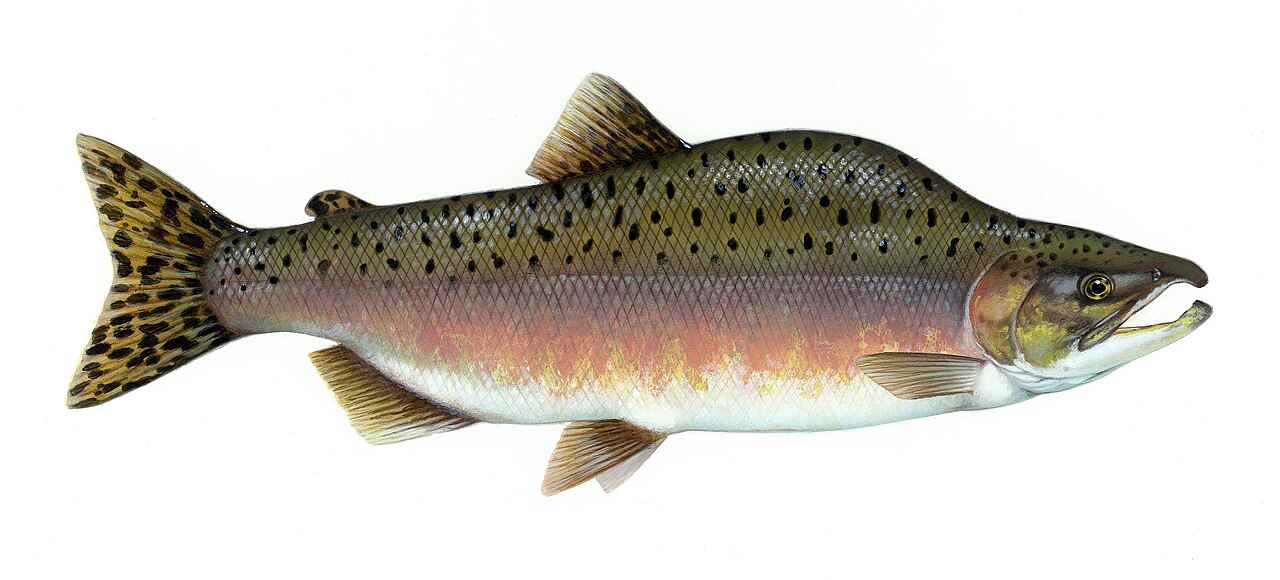
This deep red carotenoid pigment is extracted from a microalga Haematococcus pluvialis. It is what gives salmon, red fish, shrimp and other seafoods their pink color. Astaxanthin has extremely potent anti-inflammatory, anti-apoptotic, and antioxidant activities. It can modulate brain inflammation and help protect the nervous system.
Researchers believe astaxanthin may be helpful to prevent metabolic diseases such as T2D, obesity, and sarcopenia (muscle loss) (Nishida et al. 2021).
★ Astaxanthin reduces chronic pain by reversing chronic pain loops
★ How astaxanthin reverses pain loops
★ Astaxanthin reduces inflammation and oxidative stress
★ Astaxanthin protects mitochondria
★ Astaxanthin increases neurogenesis (new neuron growth) and brain plasticity in adults.
★ Astaxanthin decreases cancer rate, reduces cell death, and helps regulate metabolic systems.
★ Astaxanthin can increase cell resilience.
Astaxanthin may stop chronic pain and reduce overall inflammation
Chronic pain is caused by activated glial cells. Glia (which include microglia) are nervous system cells that support, guide and protect neurons. Glia activate when exposed to acute pain, chronic pain, and/or inflammation. When glia, usually microglia, activate they morph into immune cells and start spewing out neurotoxic chemicals and neurotrophic factors.
Unfortunately, activated glia fire off their toxic chemicals in all directions. This barrage of friendly fire injures and activates nearby neurons. Nerve activation upregulates the pain (nociceptive) signaling information the nerves send to the cerebral cortex (the part of the brain responsible for higher level tasks like thinking and learning). This process, called central sensitization, is a crucial step in causing acute pain to become chronic (Echeverria-Villalobos et al. 2023). This cycle can cause a chronic pain loop that remains even when the cause of pain is gone!
Astaxanthin stops microglia (glia) from activating and producing cytotoxic substances such as reactive oxygen species (ROS), reactive nitrogen species (RNS), and cytokines. This is important since activated glia can initiate and continue the chronic pain cycle.
Astaxanthin protects mitochondria
Astaxanthin may protect overloaded and stressed out mitochondria from oxidative damage. When mitochondria are under physiological stress they produce reactive oxygen species (ROS) that can cause damage. Astaxanthin improves mitochondria function by neutralizing ROS. It seems to protect mitochondria from ROS membrane damage; such as lipid peroxidation of biological membranes (discussion Nishida et al. 2021).
Astaxanthin influences the mitochondrial apoptotic pathway (the breaking down and recycling of old cells) by regulating signaling pathways, including the AMP-activated protein kinase (AMPK), cellular homolog of murine thymoma virus akt8 oncogene (Akt), and mitogen-activated protein kinase (MAPK), such as c-Jun N-terminal kinase (JNK) and p38. (Kim and Kim 2019).
Astaxanthin crosses the blood brain barrier (BBB) to reduce brain inflammation
Astaxanthin appears to modulate neuroinflammation (brain inflammation) by suppressing the NF-κB pathway (formal name: nuclear factor kappa light chain enhancer of activated B cells). This pathway regulates inflammation, cell growth and apoptosis (the programmed death of damaged cells). The NF-κB pathway plays a role in many disorders including cancer, chronic inflammation and arthritis (Medoro et al. 2023).
Microglia (glia) can be activated during neuroinflammation. Activated microglia produce both neurotoxic and neurotrophic factors and can initiate more neuroinflammation. As you can imagine, this causes a toxic cycle of inflammation. Neuroinflammation contributes to dementia, Alzheimer’s disease, and other cognitive problems (discussion Wen et al. 2017). Microglial cells can hinder or hasten inflammation.
When microglia are activated they become M1 or M2 polarized. Polarized M1 microglia are characterized by an overproduction of inflammatory cytokines including IL-1 and TNF-α. This can cause brain inflammation.
In contrast, M2 polarized microglia release more anti-inflammatory mediators including IL-10 and TGF-β, which leads to regeneration and neuroprotection
Astaxanthin promotes M2 polarization which inhibits brain inflammation. Astaxanthin increases a receptor found on the surface of neurons and glial cells, low-density lipoprotein receptor-related protein-1 (LRP-1). LRP-1 protects against inflammation by removing amyloid-β (Aβ) protein plaques from the brain and central nervous system.
LRP-1 also regulates JNK and NF-κB signaling pathways. An increase in LRP-1 prompted by astaxanthin inhibits NF-κB and JNK signaling which increases M2 polarization (Wen et al. 2017).
In addition to promoting M2 polarization, astaxanthin reduced polarization of inflammatory M1 microglia. Astaxanthin down-regulated a microRNA, miR-31-5p, which inhibited activation of M1 microglia (Zhou et al. 2021).
MicroRNA are crucial regulators of post-transcriptional gene silencing. Basically microRNA bind to messenger RNA (mRNA) and prevent translation of mRNA into proteins (discussion Souza et al. 2025)
Blue Box of Science:
How astaxanthin derails pain loops
Astaxanthin can stop chronic pain loops by suppressing neuroinflammation (brain inflammation) in several ways (discussion Wen et al. 2017, Wang and Qi 2022):
1) Astaxanthin inhibits M1 activation while increasing M2 activation. This reduces inflammation.
Activated glia are basically untrained immune cells. Like pokemon, immune cells can morph into different immune cell forms which include M1, M2, and forms in between M1 and M2. These immune cells look and behave differently. M1 microglia tend to produce inflammatory cytokines (including IL-1 and TNF-α). M2 microglia are more anti-inflammatory. Astaxanthin promotes M2 phenotypes which reduces inflammation and produce nerve growth factor.
2) Astaxanthin inhibits nuclear factor-κβ (NF-κβ) and c-Jun N-terminal kinase (JNK) pathways. This reduces inflammation.
Dysfunctional NF-κβ activation can initiate and contribute to acute and chronic inflammation (Zhang et al. 2025). The JNK pathway can be activated by stress and it plays a role in neuron dysfunction (de Los Reyes Corrales et al. 2021). Both these pathways can activate glia. Astaxanthin inhibits NF-κβ and JNK pathways which decreases inflammation.
3) Astaxanthin decreases neuroinflammation by increasing low-density lipoprotein receptor-related protein-1 (LRP-1) expression.
LRP-1 is a receptor found on glial and neuron cells that clears out amyloid-β (Aβ) peptides from the central nervous system (Kanekiyo et al. 2013). The accumulation of amyloid-β (Aβ) peptides are believed to be the cause of Alzheimer's disease (AD). LRP-1 also inhibits NF-κβ and JNK pathways.
4) Astaxanthin reduces neuroinflammation by alleviating oxidative stress.
Astaxanthin prevents oxidative stress and reduces neuroinflammation by activating the PI3K/AKT/Nrf-2 pathway. The PI3K/AKT/Nrf-2 pathway modulates the expression of numerous antioxidant proteins including nuclear factor erythroid 2-related factor 2 (Nrf-2) which regulates oxidative stress; as well as three top tier antioxidants: superoxide dismutase (SOD), glutathione (GSH); and catalase (CAT). These are antioxidant superstars that quickly neutralize free radicals (Jomova et al. 2018).
5) Astaxanthin modulates neuroinflammation by inhibiting the NF-κB and mitogen-activated protein kinase (MAPK) pathways.
Inhibiting NF-κB and MAPK reduces production of pro-inflammatory cytokines like tumor necrosis factor-α (TNF-α), interleukin 1β (IL-1β), and interleukin 6 (IL-6) (discussion Wang and Qi 2022). Both the NF-κB transcription factor family and MAPK are involved in regulating innate and adaptive immune responses.
6) Astaxanthin reduces neuroinflammation by maintaining the integrity of the blood-brain barrier (BBB) and inhibiting peripheral inflammation.
Treatment with astaxanthin after stresses such as bleeding in the brain (subarachnoid hemorrhage), exposure to toxins or oxygen-glucose deprivation/reperfusion treatment significantly reduces brain swelling/edema, BBB dysfunction, and neuroinflammation in rats and rabbits. Astaxanthin also increases microvascular endothelial cell survival rates, oxidative stress resistance, and tight junction stability (discussion Wang and Qi 2022).
Rupert Bunny, 1907 - Shrimp fishers at Saint-Georges.

Astaxanthin can increase neurogenesis (new neuron growth) in adult brains.
Astaxanthin influences brain growth (neurogenesis) and plasticity in several ways.
It influences homeostasis pathways; these are the pathways that keep your internal environment stable. Astaxanthin activates forkhead box O3 (FOXO3)-related genetic pathways that control regeneration and growth of brain neurons in adults. This increases cell division and growth and the potency of stem cells in neural progenitor cells (Medoro et al. 2023).
Astaxanthin supplementation also increases brain-derived neurotrophic factor (BDNF). BDNF is vital for neuronal survival and growth. It plays a role in neuronal plasticity, which is essential for learning and memory. BDNF serves as a neurotransmitter modulator; neurotransmitters are chemical messengers used in brain communication.
Vincent H: "Astaxanthin is my favorite supplement. I have suffered with a frozen shoulder for the past six years. After I began to take astaxanthin along with some gentle exercise, my pain got much less severe and eventually disappeared.
Now it has been 5 months since I had any pain in my shoulder. I can move it normally. Currently I am taking 12 mg daily."
Note: Astaxanthin helps your body and nerves heal. It is not a painkiller so it takes time to work.
If you decide to try astaxanthin make sure to buy a reputable brand. There are fakes out there. Look for certification by The Natural Algae Astaxanthin Association (NAXA).
Like any supplement, you have to decide if astaxanthin works for you. Not all supplements work for all people. If you feel unsure, discuss it with your nutritionist or doctor (warning: many doctors have no training in nutrition). Also, start with a low dose and gradually increase to gauge effects.

Astaxanthin inhibits oxidative damage and inflammation.
It protects cells by upregulating nuclear factor erythroid 2-related factor 2 (Nrf2). This pathway regulates over 200 genes associated with oxidative stress and inflammation (discussion Sorrenti et al. 2020, Medoro et al. 2023).
Astaxanthin can increase cell resilience.
When cells are stressed, FOXO3 moves toward and activates 46 nearby genes. These genes act as a group to increase cell resilience. This includes pathways that optimize healthy aging: stress response, metabolism, cell proliferation, energy and nutrient sensing, autophagy, apoptosis (cell death) and stem cell maintenance (Morris et al. 2015, Sorrenti et al. 2020).
Astaxanthin decreases cancer rate, reduces cell death, and helps regulate metabolic systems.
It does this by activating FOXO3 longevity-associated genes and other beneficial pathways such as AMP-activated protein kinase (AMPK, regulates energy), nuclear factor erythroid 2-related factor 2 (Nrf2), and NF-κB (Sorrenti et al. 2020, Medoro et al. 2023). FOXO3 is a key gene in the insulin/IGF-1 pathway which influences lifespan in people and some other species (Morris et al. 2015).
By Susan Fluegel PHD Nutritional Biochemistry.
*Names and some minor identifying details in all stories in this website are changed to protect people's privacy.
I'm not your doctor so this is not medical information or advice. I'm just a person who would like to see you happy and healthy. If you have any questions or concerns about starting an exercise regiment, diet program, or supplements please consult a professional.
References:
de Los Reyes Corrales T, Losada-Pérez M, Casas-Tintó S. JNK Pathway in CNS Pathologies. Int J Mol Sci. 2021 Apr 9;22(8):3883. doi: 10.3390/ijms22083883. Full article.
Echeverria-Villalobos M, Tortorici V, Brito BE, Ryskamp D, Uribe A, Weaver T. The role of neuroinflammation in the transition of acute to chronic pain and the opioid-induced hyperalgesia and tolerance. Front Pharmacol. 2023 Dec 15;14:1297931. doi: 10.3389/fphar.2023.1297931. Full article.
Galasso C, Orefice I, Pellone P, Cirino P, Miele R, Ianora A, Brunet C, Sansone C. On the Neuroprotective Role of Astaxanthin: New Perspectives? Mar Drugs. 2018 Jul 24;16(8):247. doi: 10.3390/md16080247. Full article.
Grimmig B, Kim SH, Nash K, Bickford PC, Douglas Shytle R. Neuroprotective mechanisms of astaxanthin: a potential therapeutic role in preserving cognitive function in age and neurodegeneration. Geroscience. 2017 Feb;39(1):19-32. doi: 10.1007/s11357-017-9958-x. Full article.
Ighodaro DR, Akinloye OA. First Line Defence Antioxidants-Superoxide Dismutase (SOD), Catalase (CAT) and Glutathione Peroxidase (GPX): Their Fundamental Role in the Entire Antioxidant Defence Grid. Alexandria Journal of Medicine, 2018 Dec;54(4):287-293. doi:10.1016/J.AJME. 2017.09.001. Full article.
Jomova K, Alomar SY, Alwasel SH, Nepovimova E, Kuca K, Valko M. Several lines of antioxidant defense against oxidative stress: antioxidant enzymes, nanomaterials with multiple enzyme-mimicking activities, and low-molecular-weight antioxidants. Arch Toxicol. 2024 May;98(5):1323-1367. doi: 10.1007/s00204-024-03696-4. Full article.
Kandy SK, Nimonkar MM, Dash SS, Mehta B, Markandeya YS. Astaxanthin Protection against Neuronal Excitotoxicity via Glutamate Receptor Inhibition and Improvement of Mitochondrial Function. Mar Drugs. 2022 Oct 18;20(10):645. doi: 10.3390/md20100645. Full article.
Kanekiyo T, Cirrito JR, Liu CC, Shinohara M, Li J, Schuler DR, Shinohara M, Holtzman DM, Bu G. Neuronal clearance of amyloid-β by endocytic receptor LRP1. J Neurosci. 2013 Dec 4;33(49):19276-83. doi: 10.1523/JNEUROSCI.3487-13.2013. Full article.
Kim SH, Kim H. Inhibitory Effect of Astaxanthin on Oxidative Stress-Induced Mitochondrial Dysfunction-A Mini-Review. Nutrients. 2018 Aug 21;10(9):1137. doi: 10.3390/nu10091137. Full aricle.
Mauck MC, Aylward AF, Barton CE, Birckhead B, Carey T, Dalton DM, Fields AJ, Fritz J, Hassett AL, Hoffmeyer A, Jones SB, McLean SA, Mehling WE, O'Neill CW, Schneider MJ, Williams DA, Zheng P, Wasan AD. Evidence-based interventions to treat chronic low back pain: treatment selection for a personalized medicine approach. Pain Rep. 2022 Sep 30;7(5):e1019. doi: 10.1097/PR9.0000000000001019. Full article.
Medoro A, Davinelli S, Milella L, Willcox BJ, Allsopp RC, Scapagnini G, Willcox DC. Dietary Astaxanthin: A Promising Antioxidant and Anti-Inflammatory Agent for Brain Aging and Adult Neurogenesis. Mar Drugs. 2023 Dec 16;21(12):643. doi: 10.3390/md21120643. Full article.
Morris BJ, Willcox DC, Donlon TA, Willcox BJ. FOXO3: A Major Gene for Human Longevity--A Mini-Review. Gerontology. 2015;61(6):515-25. doi: 10.1159/000375235. Full article.
Nishida Y, Nawaz A, Hecht K, Tobe K. Astaxanthin as a Novel Mitochondrial Regulator: A New Aspect of Carotenoids, beyond Antioxidants. Nutrients. 2021 Dec 27;14(1):107. doi: 10.3390/nu14010107. Full article.
Sorrenti V, Davinelli S, Scapagnini G, Willcox BJ, Allsopp RC, Willcox DC. Astaxanthin as a Putative Geroprotector: Molecular Basis and Focus on Brain Aging. Mar Drugs. 2020 Jul 5;18(7):351. doi: 10.3390/md18070351. Full article.
Souza AP, Marinho V, Marques MR. The Fundamental Role of Nutrients for Metabolic Balance and Epigenome Integrity Maintenance. Epigenomes. 2025 Jul 9;9(3):23. doi: 10.3390/epigenomes9030023. Full article.
Wang S, Qi X. The Putative Role of Astaxanthin in Neuroinflammation Modulation: Mechanisms and Therapeutic Potential. Front Pharmacol. 2022 Jun 24;13:916653. doi: 10.3389/fphar.2022.916653. Full article.
Wen X, Xiao L, Zhong Z, Wang L, Li Z, Pan X, Liu Z. Astaxanthin acts via LRP-1 to inhibit inflammation and reverse lipopolysaccharide-induced M1/M2 polarization of microglial cells. Oncotarget. 2017 Sep 3;8(41):69370-69385. doi: 10.18632/oncotarget.20628. Full article.
Zhang T, Ma C, Zhang Z, Zhang H, Hu H. NF-κB signaling in inflammation and cancer. MedComm (2020). 2021 Dec 16;2(4):618-653. doi: 10.1002/mco2.104. Full article.
Zhou X, Zhang J, Li Y, Cui L, Wu K, Luo H. Astaxanthin inhibits microglia M1 activation against inflammatory injury triggered by lipopolysaccharide through down-regulating miR-31-5p. Life Sci. 2021 Feb 15;267:118943. doi: 10.1016/j.lfs.2020.118943. Summary.