Post Traumatic Stress Disorder (PTSD) and Complex Post Traumatic Disorder
Do you or someone you know have PTSD or cPTSD?
You are not alone and it can get better. There are treatments for PTSD and cPTSD.
What is Post Traumatic Stress Disorder (PTSD)?
Joe (48 year old Air Force veteran): "Living with PTSD is like having life ramped up to an 8 or 9 all the time. I feel like I am constantly in combat mode and hyper aware of my surroundings. I always feel in danger and cannot relax."
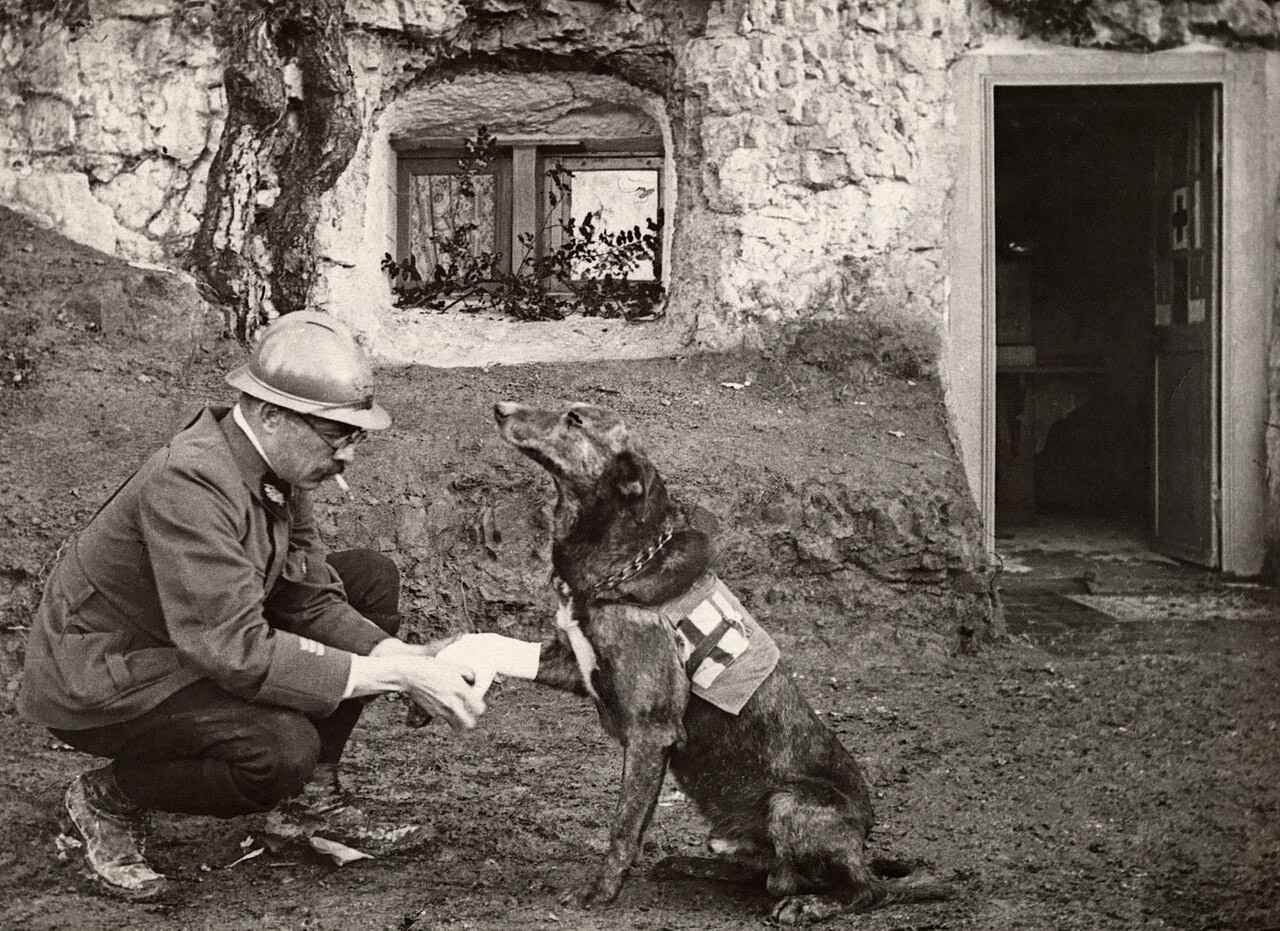
Soldier bandaging a dog's foot in the Belgian trenches of the First World War 1917.
You don't have to be a military veteran to get PTSD. PTSD can be caused by living through any severe traumatic event. The strong emotions invoked by the event can result in PTSD.
PTSD is a psychiatric and metabolic disorder that can develop in people who have experienced or witnessed a traumatic event. Traumatic events can be any life trauma including illness, natural disasters, childhood or adult abuse, experiencing childhood religious trauma, neglect, sexual abuse, harassment, bullying, domestic violence, a severe accident, a terrorist act, war/combat, physical assault or rape or even being threatened with death, sexual violence or serious injury. You can develop PTSD from seeing someone else getting hurt or experiencing trauma. It can occur from a single incidence or multiple events.
People with PTSD have an inability to inhibit their fear responses. They tend to re-experience or relive traumatic memories over and over again as if it is the first time it happened. Brain scans show that they are reacting to old traumas as if they are just experiencing them. Brain regions involved in PTSD are vital to memory function (Bremner 2007).
Besides reliving the bad experience, those with PTSD may show avoidance, numbing, and hyperarousal. In addition, they cannot control their psychophysiological responses to trauma-associated stimuli (Michopoulos et al. 2016). Psychophysiologic is the study of how mental responses influence physical responses.
About 6.8% of the population will develop PTSD at some point in their life and about 12% of veterans have PTSD. The National Institute on Mental Health estimates that 3.6% of USA adults, around 8 million people, had PTSD in the last year. People can have mild, moderate or severe PTSD.
If you have PTSD you are not alone. This disorder is treatable and people recovering from PTSD show brain regeneration. Treatments that work promote new brain cells (neurogenesis) in animal studies, improve memory and increase hippocampal volume (Bremner at al. 2006). The hippocampus plays a large role in learning and memory. You can heal your brain.
Consider a service dog or horse to help PTSD! Click here for more information.
Learn how service dogs can reduce PTSD symptoms.

Blue box of Science:
Your brain on PTSD or cPTSD
PTSD/cPTSD is caused by dysfunctions in the brain systems responsible for regulating stress, fear, anxiety, and reward circuitry. Changes in the function, structure, and biochemistry of the brain; especially the prefrontal cortex (PFC), hippocampus, and amygdala; trigger PTSD.
In particular, PTSD is associated with exaggerated amygdala activation and weak PFC regulation. That basically means your brain is less able to regulate your fear and emotional responses through your logical PFC.
PTSD brain abnormalities include both white matter (structural brain connectivity) alterations and gray matter changes in the prefrontal cortex (PFC), hippocampus, and basolateral amygdala. White matter is made of myelinated axons; it plays a role in cognition, learning and brain plasticity. Grey matter is made of mostly neuronal cell bodies; it plays a role in emotion, memory and movement.
These brain changes cause executive function and memory impairments, fear extinction deficiencies (problems forgetting fear), enhanced ability to remember and respond to stimuli that cause fear, avoidance behavior, and other disturbances which result in behavioral changes (discussion in Iqbal et al. 2023, Korem et al. 2024).

Brain networks changes in PTSD
PTSD changes neural networks. Neural networks are the areas of the brain that work together. Your brain can switch from one neural network to another depending on which task it is doing.
For example, the salience network (SN) is activated when something catches your interest. It helps switch from one brain network to another. The default mode network (DMN) is active when you are not doing anything. It is vital for daydreaming, remembering and creativity. The central executive network (CEN) is used for problem solving.
In PTSD, neural connections between the SN, DMN and CEN are disrupted. This can cause hyperarousal and hyperreactivity due to increased activation of the SN; specifically the amygdala and dorsal anterior cingulate cortex (dACC). The dACC is involved in motor control, rewards, learning and problem solving.
PTSD disrupts connectivity and/ or activation in the SN, DMN, and CEN (discussion Hinojosa et al. 2024).
What is complex (or childhood) post-traumatic stress disorder (C-PTSD, CPTSD, cPTSD)
CPTSD is a subset of PTSD and has many of the same symptoms. It occurs in people who experience prolonged or repeated traumatic events in childhood. This can include physical or sexual abuse, religious trauma, domestic violence, neglect, or protracted separation/abandonment from caregivers.
Verbal and/or physical abuse in childhood can cause low adult mental well-being (Bellis et al. 2025). Being exposed to adversity in childhood can even change your epigenetic profile (DNA methylation) (Lussier et al. 2023). This can influence your health and disease risks.
Since cPTSD develops in young people, it can warp a person's sense of self and reality. People with cPTSD may show different symptoms than those with mainstream PTSD.
Do you have cPTSD?
1) Emotional dysregulation: do you have difficulties controlling your emotions, especially negative emotions like shame, guilt, sorrow, anxiety or worthlessness? Do you have problems self smoothing?
2) Dissociation: do you feel disconnected from reality? Do you feel like you are separate from your body or mind, or that you aren't real?
3) Interpersonal problems: do you have difficulty in building and maintaining relationships? Do you have trust, social interactions or attachment issues?
4) Negative self-concept: do you have a negative or twisted view of yourself? Do you feel like you are broken or different from others? Do you feel helpless?
C-PTSD has a long-term impact on adult functioning: Untreated cPTSD can last into adulthood. If you are an adult with untreated cPTSD you may have problems with relationships, overall mental health, work or academic performance, and ability to live a happy and meaningful life.
Treatment for PTSD and cPTSD
According to research based clinical guidelines, the most effective treatments for PTSD are trauma-focused cognitive behavioral treatment, such as prolonged exposure (PE) and cognitive therapy (CT), and Eye movement desensitization and reprocessing (EMDR).
Exposure therapy is effective for treating PTSD in people who are in the military (McLean et al. 2022). The goal of exposure therapy is to help people reduce their fear and anxiety. The end goal is to try to limit eliminating avoidance behavior and to increase quality of life. Exposure therapy is done by actively confronting whatever the person fears. Confrontation and exposure teach the brain that anxiety and fear will alleviate on its own after a while. There are several methods but prolonged exposure may be the best for PTSD.
Prolonged exposure (PE) takes 8-15 sessions (90 minutes each) and is a combination of techniques. The person with PTSD is educated about trauma and told what they will be doing in the therapy; they learn how to control their breathing (this is interoceptive exposure); they practice in real life (this is in vivo exposure); and they recount and revisit their trauma to reprocess it (this is imaginal exposure).
If you are not ready to seek professional treatment or you don't have the financial means to do so, you can start helping yourself by looking over the information in this website and other online sources.
Nature therapy
For immediate PTSD relief please see the benefits of nature therapy. Only one hour in nature quiets your fight, flight or freeze response immediately. A walk in nature quiets the amygdala.
Blue light
Blue light treatment is another treatment people can try on their own for PTSD. Kilgore et al. 2022 reported that morning exposure to blue light in people with PTSD was associated with improvements in sleep duration. They also had an increased volume of the left amygdala when compared with people treated with amber placebo light. The changes in the amygdala volume were directly correlated with sleep improvement.
See more about blue light therapy in how the brain heals.
Reduce traumatic memories in PTSD
This treatment totally stopped PTSD related flashbacks in 70% of people after 24 weeks. It was a small but robust study.
Subjects: Health care workers with work related trauma who met DSM-5 PTSD and had intrusive flashbacks.
Treatment: People (99 health workers, 86% women) were randomly assigned to either:
1) An imagery-competing task intervention (ICTI) involving an image-based memory retrieval (in other words, people briefly thought about a traumatic memory).
2) An active control group which listened to classical music.
3) a treatment as usual group who continued with normal intrusive memory treatment.
In the initial ICTI session, people listed their intrusive memories, selected one of the memories, and briefly brought it to their mind. They followed it with a visuospatial task (they used a slower form of Tetris® gameplay with mental rotation in the study).
Playing a visualspacial game is thought to keep the brain’s visuospatial areas busy and competing with visual flashbacks. This seems to weaken the flashback's vividness, emotional impact, and frequency. In addition, people found relief from the other PTSD symptoms
The group using ICTI followed by mental rotation (Tetris) reduced the frequency and impact of their traumatic memories and PTSD symptoms overall. The ICTI group had 72% fewer intrusive flashbacks than the active control group that listened to music, and 70% fewer intrusive memories than the treatment as usual group. About 70% of the ICTI group were PTSD symptom free at week 24! (Beckenstrom et al. 2026).
Want to try an ICTI session for PTSD?
1) List your personal intrusive memories, select one memory, and very briefly bring it to your mind. If you are at all unsure about this, make sure to have professional help or guidance. People in this study had one guided session followed by self-directed sessions.
2) Learn about mental rotation (visualizing how 2D and 3D shapes and objects look when rotated). Directly after thinking of your traumatic memory, perform a visuospatial task using rotating geometric blocks (such as Tetris®) for 20 min using mental rotation.
3) Self-administer as required. The study saw results in week four and results improved up to treatment reporting end at week 24.
Learn how to feed your brain for strategies to break the inflammation cycle.
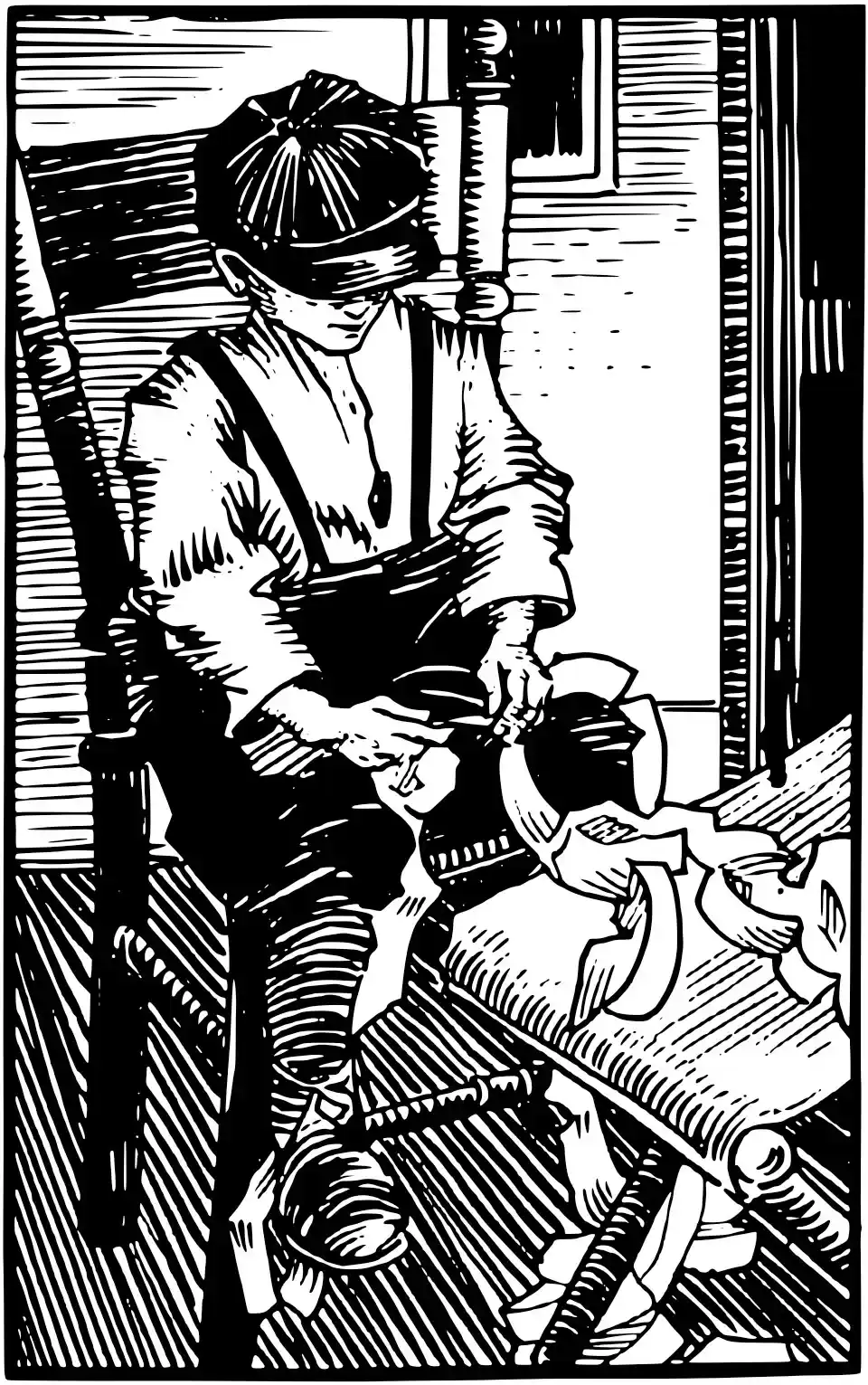
Arnold Goodwin - Child Labor - Finishing collars instead of playing ball c1912. Illustration made for an article “Child Labor and the Home”.
Traumatic brain injury (TBI) can occur with or without PTSD
★About 19% of veterans have traumatic brain injury (TBI).
★TBI can cause some of the same symptoms as PTSD.
★You can have PTSD, TBI or both at once.
★It is important to be assessed for TBI as well as PTSD because people with TBI should not use some medications.
Four Major Signs of PTSD
1) Reliving the event through vivid memories, nightmares or flashbacks. Remembering the traumatic event often evokes the same intense feelings and sensations of the original event.
One of the main symptoms of PTSD is that the person is unable to let go of the traumatic memory and the remembrance does not become less vivid with time (Boe et al. 2010).
The recollection seems to be trapped in time and does not undergo the normal processing that lessens the emotional impact of memories over time. Memories of normal events are recalled as stories that change over time without accompanied vivid emotions.
In addition, PTSD may significantly impacts the initial acquisition and learning phases of memory (Samuelson 2011). This may be due to damage to the hippocampus. You may have difficulty concentrating or remembering things.
Sometimes certain events act as a trigger for reliving the memory. For example, fireworks may recall memories of gunfire and war for a combat veteran. A person shouting may cause a victim of C-PTSD to run for shelter. For people with PTSD, it can seem like these events are currently taking place.
Larissa (39 year old Army veteran) "A flash or a sharp bang and suddenly I am back there watching the explosion occur over and over. It is like I am transported back in that moment in time; with the same sounds, pains and view. It never gets easier."
Middleton Manigault - The Rocket c1909 oil on canvas.
_30_11zon.jpg)
2) Avoidance of places or things that remind you of the traumatic event (avoiding triggers). This also includes trying to avoid talking about or thinking about the event.
This leads to some people frantically trying to keep their minds occupied with other tasks. They may work constantly or escape by using excessive electronic entertainment like video games, online activities, or internet.
3) Feeling emotionally or physically numb or unable to express feelings.
Feeling emotionally non-invested in people or things you used to care about. Just going through the motions without any investment in life.
Zoe (23 years old): "I know I should be content now that I am away from my toxic parents and on my own. I have been doing what people might consider fun activities, like gaming and knitting, but I don't feel happy; just feel numb. ...I have three states of emotion: irrational rage at everyone, high anxiety and panic attacks, and extreme numbness where I just feel nothing."
4) Showing hyper-arousal or jittery behavior. Being constantly alert and looking out for danger. You may feel like you have to be constantly on guard. This can lead to insomnia, angry outbursts, difficulty sleeping and/or nightmares.
This tendency towards over reaction may cause you to get upset at events or people that remind you of what happened. Reacting with angry outbursts or extreme irritability. You may be paranoid or have a hard time communicating with other people.
Over reaction may mean that you can be easily startled by noises or events. This can cause inappropriate or violent reactions to mild stimulus (someone wakes you, a firework goes off etc).
Other reactions to PTSD
★Escalating alcohol or drug use
★Thinking about harming yourself or others
★Isolating yourself from others
★ See the warning signs of suicide here.
Edwin Henry Landseer (1802-1873) - A Dog on Alert oil on canvas.
 - A Dog on Alert_34_11zon.jpg)
Veterans have a higher incidence of PTSD
How many veterans have PTSD?
PTSD is one of the most frequently diagnosed disorders in the military (Blais et al. 2021). This is not a surprise since most humans are not equipped to deal with the horrors of warfare. Since the incidence of PTSD changes over time it is hard to pin down an accurate estimation of how many veterans have PTSD but current estimations from the US Department of Veteran Affairs range from 14-20%.
Vietnam veterans: In 1988 the National Vietnam Veterans Readjustment Study found that 30% of Vietnam veterans have had PTSD in their lifetime, while 15% currently had PTSD. Over twenty-five years later, the 2014 National Vietnam Veterans Longitudinal Study estimated the current prevalence of PTSD in combat Vietnam veterans at 11%. Male veterans with PTSD were twice as likely to die in those 25 intervening years as male veterans without PTSD (Marmar et al. 2015).
Gulf War veterans: About 12% of Gulf War veterans have PTSD. The National Academy of Science's Institute of Medicine also found an association between serving in the Gulf War and multisymptom illness (Gulf War Illness).
Operation Iraqi Freedom (OIF) and Enduring Freedom (EF) veterans: Around 14-20% of OIF and EF veterans have PTSD. Military councilors believe this percentage is actually higher.
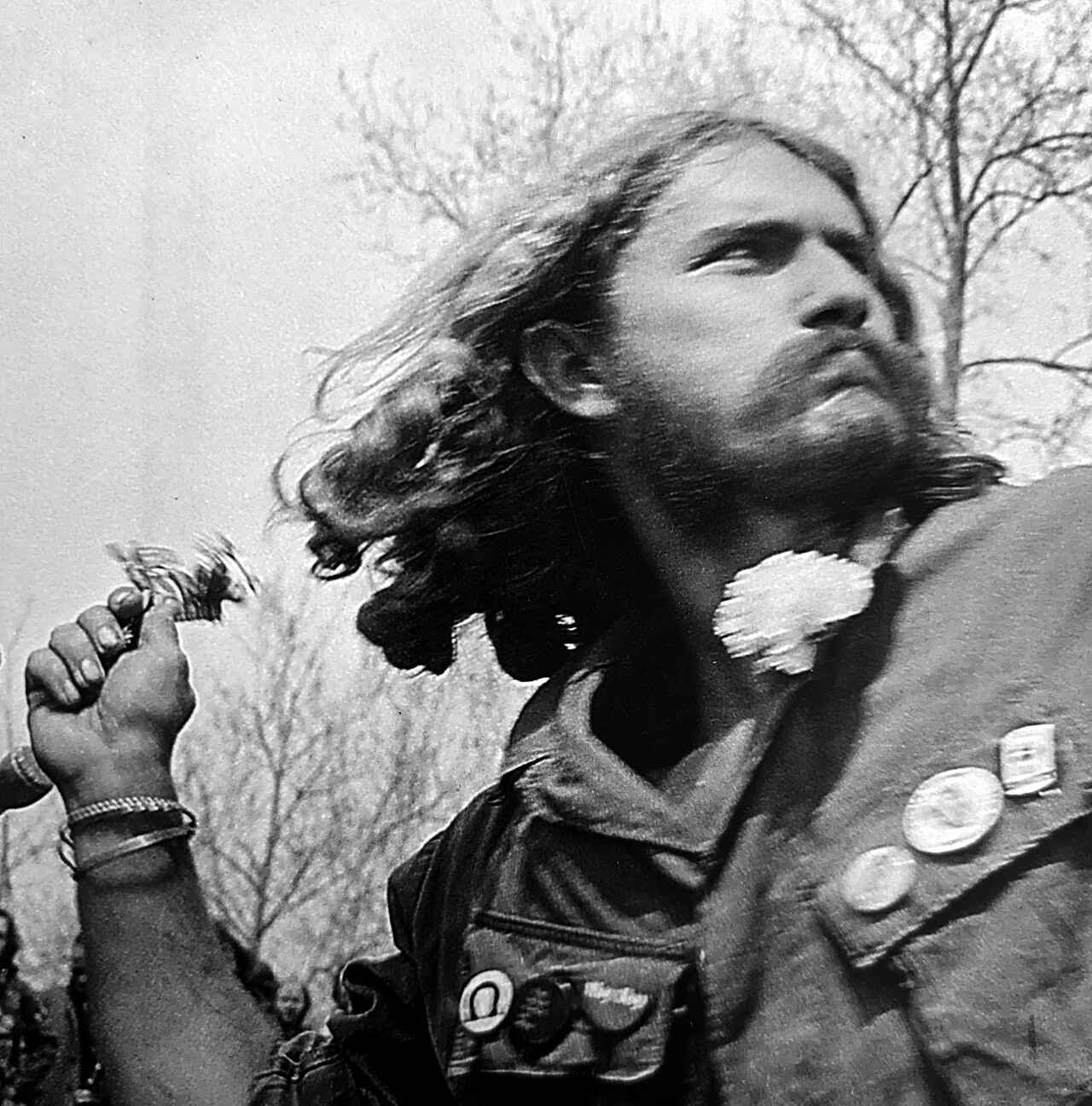
Vietnam Vet Throwing Medal at US Capital c1971.
Don't let PTSD derail your life. There are new treatments that may help you. Check out the Veteran's Affairs information on PTSD. They provide many treatment options as well as consoling for veterans.
Sarah Purser The sad girl 1923 Oil on buff board painting.

Military Sexual Trauma (MST)
One common cause of PTSD is military sexual trauma (MST). This is sexual harassment or sexual assault that occurs when the person is serving in the military. Both men and women are affected by MST. People reporting MST often also report depression, anxiety, alcohol abuse and PTSD.
Among veterans in the VA, 23% of women reported sexual assault and 55% of women reported sexual harassment. In addition, 38% of men reported sexual harassment. If you have MST do not be afraid to get help. Cognitive processing therapy (CPT) has been shown to help (Boehler 2019).
Women veterans with MST (131 women) received one of two treatments; CPT or Trauma Center Trauma-Sensitive Yoga (TCTSY) intervention. TCTSY is a Hatha-style yoga which focuses on interoception (perceiving body signals) and empowerment. Both treatment groups improved considerably and reduced their PTSD symptoms. TCTSY was equal to CPT in reducing the severity of PTSD symptoms but less people dropped out of TCTSY (Zaccari et al. 2023).
For veteran's stories on MST see the VA's page on: Military Sexual Trauma.
By Susan Fluegel PHD Nutritional Biochemistry
*Names and some minor identifying details in all stories in this website are changed to protect people's privacy.
This information in this website is for informational purposes only and does not constitute medical advice, diagnosis, or treatment.
References:
Beckenstrom A, Bonsall M, Markham A et al. A digital imagery-competing task intervention for stopping intrusive memories in trauma-exposed health-care staff during the COVID-19 pandemic in the UK: a Bayesian adaptive randomised clinical trial The Lancet Psychiatry, 13, 233-247 Full article.
Bellis MA, Hughes K, Ford K, Quigg Z, Butler N, Wilson C. Comparative relationships between physical and verbal abuse of children, life course mental well-being and trends in exposure: a multi-study secondary analysis of cross-sectional surveys in England and Wales. BMJ Open. 2025 Aug 5;15(8):e098412. doi: 10.1136/bmjopen-2024-098412. Full article.
Blais RK, Tirone V, Orlowska D, Lofgreen A, Klassen B, Held P, Stevens N, Zalta AK. Self-reported PTSD symptoms and social support in U.S. military service members and veterans: a meta-analysis. Eur J Psychotraumatol. 2021 Feb 4;12(1):1851078. doi: 10.1080/20008198.2020.1851078. Full article.
Boehler J. The Efficacy of Cognitive Processing Therapy for PTSD Related to Military Sexual Trauma in Veterans: A Review. J Evid Based Soc Work (2019). 2019 Nov-Dec;16(6):595-614. doi: 10.1080/26408066.2019.1666767. Summary.
Bremner JD, Randall PR, Scott TM, Bronen RA, Seibyl JP, Southwick SM, Delaney RC, McCarthy G, Charney DS, Innis RB. MRI-based measurement of hippocampal volume in patients with combat-related posttraumatic stress disorder. Am J Psychiatry. 1995;152:973–981. Full article.
Bremner JD. Neuroimaging in posttraumatic stress disorder and other stress-related disorders. Neuroimaging Clin N Am. 2007 Nov;17(4):523-38, ix. doi: 10.1016/j.nic.2007.07.003. Full article.
Bremner JD. Traumatic stress: effects on the brain. Dialogues Clin Neurosci. 2006;8(4):445-61. doi: 10.31887/DCNS.2006.8.4/jbremner. PMID: 17290802; PMCID: PMC3181836. Full article.
Boe HJ, Holgersen KH, Holen A. Reactivation of posttraumatic stress in male disaster survivors: the role of residual symptoms. J Anxiety Disord. 2010 May; 24:397-402. Article summary.
Butler O, Adolf J, Gleich T, Willmund G, Zimmermann P, Lindenberger U, Gallinat J, Kühn S. Military deployment correlates with smaller prefrontal gray matter volume and psychological symptoms in a subclinical population. Translational Psychiatry. 2017;7:e1031-. Full article.
Clancy KJ, Devignes Q, Kumar P, May V, Hammack SE, Akman E, Casteen EJ, Pernia CD, Jobson SA, Lewis MW, Daskalakis NP, Carlezon WA Jr, Ressler KJ, Rauch SL, Rosso IM. Circulating PACAP levels are associated with increased amygdala-default mode network resting-state connectivity in posttraumatic stress disorder. Neuropsychopharmacology. 2023 Jul;48(8):1245-1254. doi: 10.1038/s41386-023-01593-5. Full article.
Gilbertson MW, Shenton ME, Ciszewski A, Kasai K, Lasko NB, Orr SP, Pitman RK. Smaller hippocampal volume predicts pathologic vulnerability to psychological trauma. Nat Neurosci 2002; 5: 1242–1247. Full article.
Hinojosa CA, George GC & Ben-Zion Z. Neuroimaging of posttraumatic stress disorder in adults and youth: progress over the last decade on three leading questions of the field. Mol Psychiatry 29, 3223–3244 (2024). https://doi.org/10.1038/s41380-024-02558-w Full article.
Iqbal J, Huang GD, Xue YX, Yang M, Jia XJ. The neural circuits and molecular mechanisms underlying fear dysregulation in posttraumatic stress disorder. Front Neurosci. 2023 Dec 5;17:1281401. doi: 10.3389/fnins.2023.1281401. Full article.
Johnson GC, Parsons R, May V, Hammack SE. The Role of Pituitary Adenylate Cyclase-Activating Polypeptide (PACAP) Signaling in the Hippocampal Dentate Gyrus. Front Cell Neurosci. 2020 Apr 30;14:111. doi: 10.3389/fncel.2020.00111. Full article.
Kasai K, Yamasue H, Gilbertson MW, Shenton ME, Rauch SL, Pitman RK. Evidence for acquired pregenual anterior cingulate gray matter loss from a twin study of combat-related posttraumatic stress disorder. Biol Psychiatry. 2008 Mar 15; 63(6):550-6. Full article.
Kempuraj D, Selvakumar GP, Thangavel R, Ahmed ME, Zaheer S, Raikwar SP, Iyer SS, Bhagavan SM, Beladakere-Ramaswamy S, Zaheer A. Mast Cell Activation in Brain Injury, Stress, and Post-traumatic Stress Disorder and Alzheimer's Disease Pathogenesis. Front Neurosci. 2017 Dec 12;11:703. doi: 10.3389/fnins.2017.00703. Full article.
Killgore WDS, Vanuk JR, Dailey NS. Treatment with morning blue light increases left amygdala volume and sleep duration among individuals with posttraumatic stress disorder. Front Behav Neurosci. 2022 Sep 12;16:910239. doi: 10.3389/fnbeh.2022.910239. Full article.
Korem N, Duek O, Ben-Zion Z, Spiller TR, Gordon C, Amen S, Levy I, Harpaz-Rotem I. Post-treatment alterations in white matter integrity in PTSD: Effects on symptoms and functional connectivity a secondary analysis of an RCT. Psychiatry Res Neuroimaging. 2024 Sep;343:111864. doi: 10.1016/j.pscychresns.2024.111864. Summary.
Krantz DS, Shank LM, Goodie JL. Post-traumatic stress disorder (PTSD) as a systemic disorder: Pathways to cardiovascular disease. Health Psychol. 2022 Oct;41(10):651-662. doi: 10.1037/hea0001127. Full article.
Liu YZ, Wang YX, Jiang CL. Inflammation: The Common Pathway of Stress-Related Diseases. Front Hum Neurosci. 2017 Jun 20;11:316. doi: 10.3389/fnhum.2017.00316. Full article.
Lussier AA, Zhu Y, Smith BJ, Cerutti J, Fisher J, Melton PE, Wood NM, Cohen-Woods S, Huang RC, Mitchell C, Schneper L, Notterman DA, Simpkin AJ, Smith ADAC, Suderman MJ, Walton E, Relton CL, Ressler KJ, Dunn EC. Association between the timing of childhood adversity and epigenetic patterns across childhood and adolescence: findings from the Avon Longitudinal Study of Parents and Children (ALSPAC) prospective cohort. Lancet Child Adolesc Health. 2023 Aug;7(8):532-543. doi: 10.1016/S2352-4642(23)00127-X. Full article.
Marmar CR, Schlenger W, Henn-Haase C, Qian M, Purchia E, Li M, Corry N, Williams CS, Ho C, Horesh D, Karstoft K, Shalev A, Kulka RA. Course of Posttraumatic Stress Disorder 40 Years After the Vietnam WarFindings From the National Vietnam Veterans Longitudinal Study. JAMA Psychiatry. 2015;72:875-881. Full article.
Martin EI, Ressler KJ, Binder E, Nemeroff CB. The neurobiology of anxiety disorders: brain imaging, genetics, and psychoneuroendocrinology. Psychiatr Clin North Am. 2009 Sep;32(3):549-75. doi: 10.1016/j.psc.2009.05.004. Full article.
McEwen BS, Morrison JH. The brain on stress: vulnerability and plasticity of the prefrontal cortex over the life course. Neuron. 2013; 79:16-29. Full article.
McLean CP, Levy HC, Miller ML, Tolin DF. Exposure therapy for PTSD in military populations: A systematic review and meta-analysis of randomized clinical trials. J Anxiety Disord. 2022 Aug;90:102607. doi: 10.1016/j.janxdis.2022.102607. Article summary.
Michopoulos V, Norrholm SD, Jovanovic T. Diagnostic Biomarkers for Posttraumatic Stress Disorder: Promising Horizons from Translational Neuroscience Research. Biol Psychiatry. 2015 Sep 1;78(5):344-53. doi: 10.1016/j.biopsych.2015.01.005. Full article.
Michopoulos V, Vester A, Neigh G. Posttraumatic stress disorder: A metabolic disorder in disguise? Exp Neurol. 2016 Oct;284(Pt B):220-229. doi: 10.1016/j.expneurol.2016.05.038. Full article.
Pietrzak RH, Goldstein RB, Southwick SM, Grant BF. Physical health conditions associated with posttraumatic stress disorder in U.S. older adults: results from wave 2 of the National Epidemiologic Survey on Alcohol and Related Conditions. J Am Geriatr Soc. 2012 Feb;60(2):296-303. doi: 10.1111/j.1532-5415.2011.03788.x. Full article.
Rosenbaum S, Stubbs B, Ward PB, Steel Z, Lederman O, Vancampfort D. The prevalence and risk of metabolic syndrome and its components among people with posttraumatic stress disorder: a systematic review and meta-analysis. Metabolism. 2015 Aug;64(8):926-33. doi: 10.1016/j.metabol.2015.04.009. Article summary.
Samuelson KW. Post-traumatic stress disorder and declarative memory functioning: a review. Dialogues in Clinical Neuroscience. 2011;13:346-351. Full article.
Sun Y, Qu Y, Zhu J. The Relationship Between Inflammation and Post-traumatic Stress Disorder. Front Psychiatry. 2021 Aug 11;12:707543. doi: 10.3389/fpsyt.2021.707543. Full article.
Xu Z, Ohtaki H, Watanabe J, Miyamoto K, Murai N, Sasaki S, Matsumoto M, Hashimoto H, Hiraizumi Y, Numazawa S, Shioda S. Pituitary adenylate cyclase-activating polypeptide (PACAP) contributes to the proliferation of hematopoietic progenitor cells in murine bone marrow via PACAP-specific receptor. Sci Rep. 2016 Feb 29;6:22373. doi: 10.1038/srep22373. Full article.
Zaccari B, Higgins M, Haywood TN, Patel M, Emerson D, Hubbard K, Loftis JM, Kelly UA. Yoga vs Cognitive Processing Therapy for Military Sexual Trauma-Related Posttraumatic Stress Disorder: A Randomized Clinical Trial. JAMA Netw Open. 2023 Dec 1;6(12):e2344862. doi: 10.1001/jamanetworkopen.2023.44862. Full article.