Anti-inflammatory Lifestyle and Diet: Part 1
This is a targeted eating plan to help people with inflammatory disorders, metabolic disorders, and Long-COVID regain their health, energy and sanity.
This food plan decreases body and brain inflammation; increases energy; reduces brain fog; and helps promote healing.
Important: if you are losing too much weight OR you are underweight EAT WHATEVER YOU CAN TOLERATE to help keep on weight. I don't care if it is so-called junk food. It is more important to eat and give your body energy and the building blocks to heal. As you feel better make changes.
Systemic inflammation promotes chronic diseases and can sap your energy (Bennett et al. 2018). If you are feeling sick and tired, an anti-inflammatory diet can help you feel better. Food is not all or nothing. I don't expect you to go from a highly processed food diet to an all natural whole foods diet overnight (unless you want to do so). We aren't going to tell you to cut out all sugar or eat only raw vegetables lovingly grown in organic rainwater while being exposed to classical music.
We will give you tips on how to easily change your diet and food choices to healthier ones. Even small changes can make a huge difference to your health.
Making small diet changes or food substitutions can transform your diet from a pro-inflammatory diet, which causes inflammation, to a healthier diet that kicks inflammation's butt. To jump-start the process - check out our page of highly processed foods and healthier substitutions.
Big Food Picture
Overall guidelines: Click on each tip to learn more.
- 1) Eat more whole natural foods. Natural foods are low processed or no-processed food that are found in nature.
- 2) Cut back or eliminate added sugars.
- 3) Reduce the amount of highly processed or ultra processed foods you eat. If you rely on easy to prepare food try to buy the least processed versions. Like chicken nuggets? Switch to the least processed brand using 'whole chicken pieces' and no trans fat instead of the brand using 'chicken by-products'.
- 4) Eat 1/3 or less of your calories as carbohydrates and try to make most of them higher quality or complex carbohydrates.
- 5) Reduce or eliminate alcohol intake.
There is more in how to reduce inflammation part 2:
- 6) Avoid foods that make you feel crappy (as well as foods to which you are allergic).
- 7) You, and your pet rodent, may want to avoid red food dye Allura Red (which is more commonly labeled FD&C Red 40 and Food Red 17).
- 8) Pick foods high in antioxidants like polyphenols, vitamin C, carotenoids, vitamin E, flavonoids, flavones, catechins, and phytoestrogens.
- 9) Add fiber to your diet. Don't worry, you don't need to eat bran muffins (unless you want to) fiber is found in tasty foods like berries!
- 10) Add spices to your meals.
- 11) Stop smoking and stay away from second and third-hand (tertiary) smoke. If you can't or won't stop smoking, click here to learn more and for tips on how to mitigate it's harmful effects.
 McCormick and company, Baltimore_46_11zon.jpg)
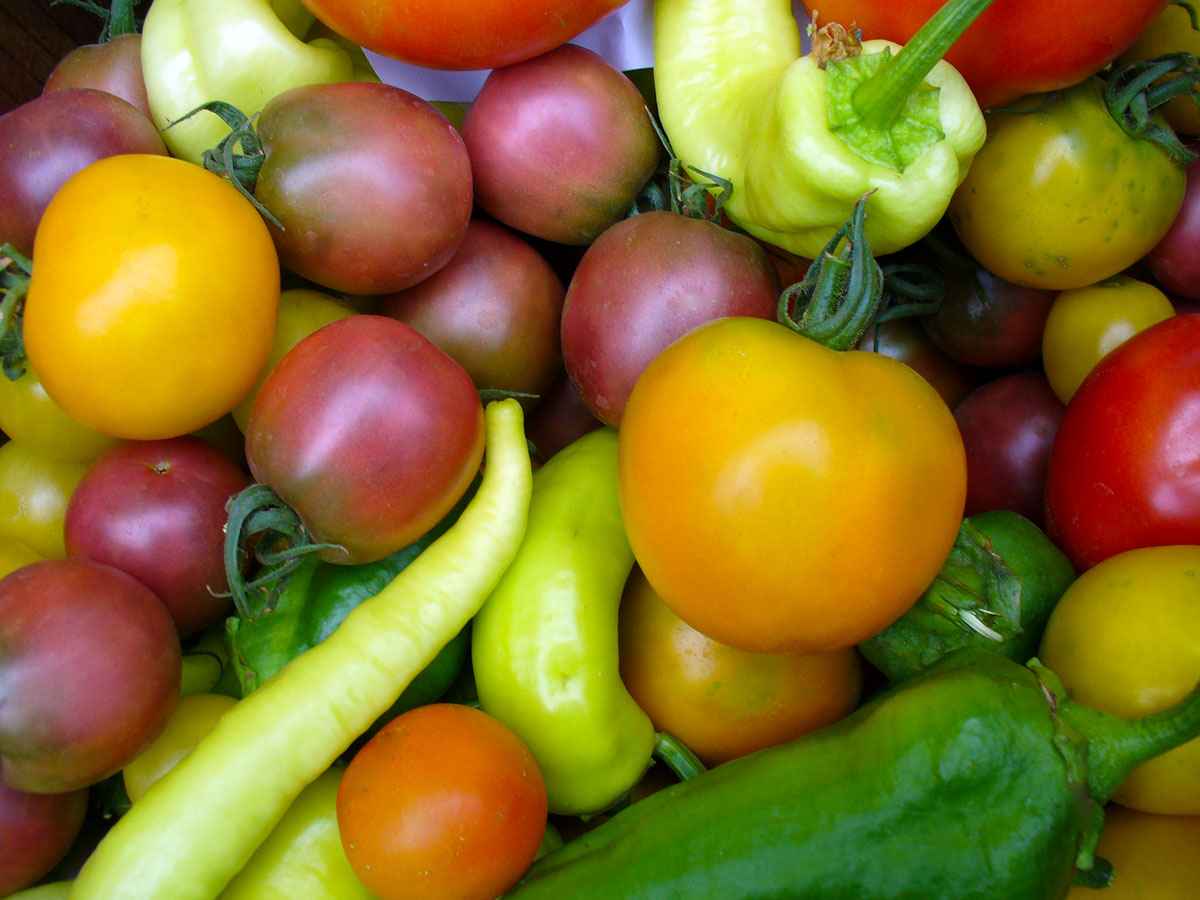
1) Eat more whole natural foods.
Whole foods are foods that have not been processed, like fresh fruit, or foods that are only minimally processed, like milk. Some whole food examples include fruit, vegetables, fish, meat, seeds, herbs, spices, nuts, grains, milk, eggs, plain yogurt, and legumes.
Natural food is something you could grow, raise, harvest, hunt or pick in the wild. An apple is natural; a Twinkie is not natural. You cannot pick ripe Cheetos off a tree or collect wild slushies growing at your local park (and if you do find free range Cheetos at the park I hope you don't eat them).
Bonus healthy diet information:
I don't focus on weight loss in this website, I focus on health. However, I will let you know tips to help you succeed if you do wish to reduce body fat.
Eating whole unprocessed foods (namely a minimally processed diet) results in more weight loss and less cravings than eating processed foods.
In a recent random crossover trial, 55 healthy but overweight and obese adults (91% women, mean age 43 years old) consumed either (1) minimally processed food or (2) ultraprocessed food for eight weeks. After an additional 6 weeks (a 4-week washout and 2 week baseline diet), they switched and consumed the other diet for eight weeks.
Even though both diets were the same in terms of calories and nutrients there was greater weight, BMI, visceral fat and fat mass loss on the minimally processed food diet.
Cravings for sweet, savory and individual favorite treat foods were significantly lower on the minimally processed food diet but not on the ultraprocessed food diet (Dicken et al. 2025).

2) Cut back on the added sugars.
Added sugars increase free radical and reactive oxygen species (ROS) generation in the body through several mechanisms (Prasad and Dhar 2014). More free radicals mean more inflammation. Eating dietary sugars and processed foods with added sugar seems to be an important factor leading to the occurrence and compounding of inflammation (Ma et al. 2022).
Added sugars are sugars added to the food. These sugars include table sugar, brown sugar, dextrose, fructose, corn syrup, high fructose corn syrup, maple syrup, raw sugar, malt syrups, sucrose, honey, molasses, and other sweeteners.
Added sugars are frequently combined with processed foods. You normally don't see anyone dumping sugar on apple slices or smothering steaks with high fructose corn syrup. Eating too many processed foods that contain added sugars or high fructose corn syrup (HFCS) is strongly associated with obesity (Ebbeling et al. 2012, Qi et al. 2012), T2D (Nettleton et al. 2009, Montonen et al. 2007), metabolic syndrome (Nettleton et al. 2009) and cardiovascular disease (Yang et al. 2014, Janzi et al. 2020).
3) Reduce the amount of highly processed or ultra processed foods you eat.
If you rely on easy to prepare food try to buy the least processed versions. Here are some healthier alternatives to the processed foods you currently eat.
Highly processed and ultra-processed foods are ready-to-eat or ready-to-heat commercial formulations of food substances that are derived from whole foods. Ultra-processed foods include ingredients that you wouldn't usually use in preparing food at home. These ingredients include things like hydrogenated oils and fats, hydrolyzed proteins, modified starches, colorants, bulking agents, artificial flavorings, high fructose corn syrup, and artificial sweeteners.
You can usually look at a food and see that it is highly processed. Ask yourself these questions: 1) Does it look like someone grew it or raised it? No one is growing frosted apple pop ups in their backyard. 2) Is it a texture or shape found in nature? Fruit loops anyone? 3) Does it contain added sugars and starches?
*Daniel Y. (57 year old man): "As a kid my mom told me I should clean my plate because of starving children in Africa. We were poor and ate a lot of processed carbohydrates. Later in life I felt that leaving food or refusing food was wasteful. For years I was unable to leave food on my plate - no matter how bad it was.
Being able to just say - no, I don't want to eat this food - feels amazing. I am not wasteful, but my body is NOT the garbage can. I don't have to eat this junk food because it is there or I took a bite of it or someone gave it to me! After a while I stopped reaching for the processed food that made me feel worse after I ate it. I used to eat a lot of junk food. Yesterday, I remembered I have fresh strawberries in the fridge and got really happy about having them for dessert."
Blue Box of Science: How do they make Cheetos and cereal in those 'fun' shapes?
These highly processed foods are made using an industrial process called extrusion cooking.
Some ultra-processed foods are made using intense industrial processes called extrusion cooking. This process destroys the food ingredient's natural structure while removing many of the beneficial nutrients like fiber, vitamins, minerals and phytochemicals. Many breakfast cereals are created via this process.
In hot and/or steam extrusion, the extruder machine takes a mixture of mechanically sheared/chopped up grain (such as wheat, rice or oats) and adds sugars and fats. It cooks and mixes these ingredients under EXTREMELY high temperatures and pressure. This makes the ingredients form a semi-solid. This gooey mixture is emitted or squeezed out of tiny openings to form the desired shape or puff.
Extrusion converts most of the starch in the grain into a simple sugar, glucose. It makes fats and proteins easier to digest as well. This can be both good and bad. On the positive side, it takes less energy to digest these foods and some nutrients are more available for the body to use. There is also research showing that the extreme heat and pressure can reduce some types of mycotoxins, a fungal toxin, found in grain (Karlovsky et al. 2016). On the negative side, it is much easier to gain weight/fat and develop inflammation from eating extruded foods.
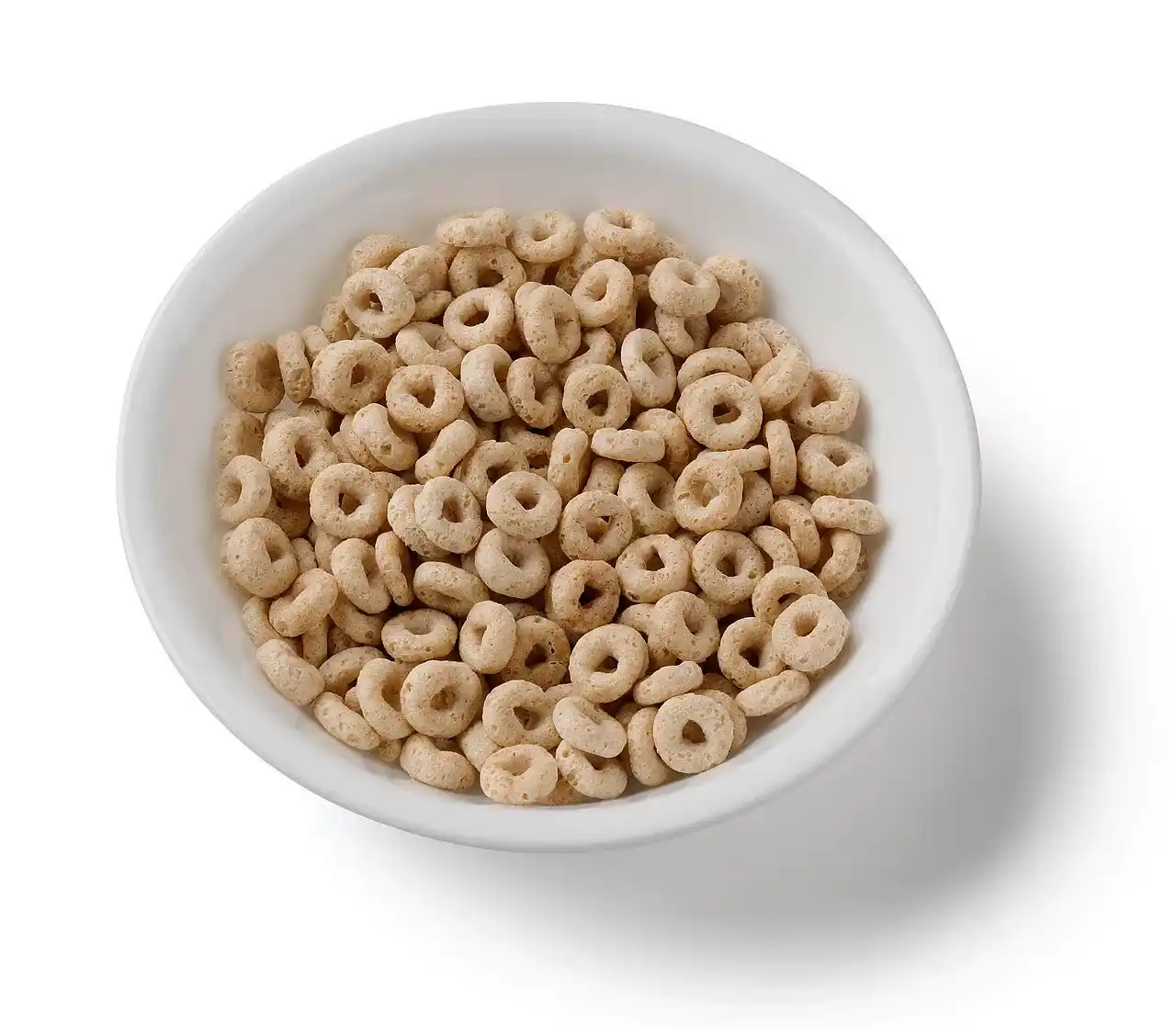
People eating processed food diets gain weight. Hall et al. 2019 gave adults (average age 31 years) either an ultra-processed food diet or a unprocessed food diet for two weeks. At the end of the two weeks, the diets were switched (so each person ate both diets). The diets were matched in calories, sugar, salt, fat, carbohydrates and protein and the people could eat as much as they liked. On the processed diet, people consumed more calories, more carbohydrates, and more fat. They gained an average of 2 lbs (0.9 kg) during the 2 weeks. When eating the unprocessed diet, the same people lost an average of almost 2 lbs (0.9 kg).
Examples of extruded food products are most breakfast cereals, many ready to eat snacks, some baby foods, some pastas (other pastas are made via cold extrusion), texturized vegetable protein, chewing gum, processed cheese, some breakfast shakes and more. Most extruded foods come in shapes, textures and colors not found in nature, such as fruit loops, corn puffs or Pringles. Hundreds of food products are made using extrusion.
So how much ultra-processed so called food do we eat?
Over half the foods we eat are highly processed. Ultra-processed food consumption in the USA has increased from 53.5% of calories in 2001-2002 to 57% in 2017-2018 (Juul et al. 2022).
At the same time, people are eating less whole foods. Consumption of minimally processed foods; such as vegetables, fruit, meat, grains and dairy; declined in the USA from 32.7% of calories to 27.4% from 2001/2002 to 2017/2018 (Juul et al. 2022).
The amount of added sugars in ultra-processed foods is 21.1% of the calories. Yes, over a fifth of the food is pure sugar! This is eight times higher than the 2.4% added sugar found in processed foods and five times higher than the 3.7% added sugar found in unprocessed or minimally processed foods and processed culinary ingredients grouped together. Over 82% of people in the USA eat more than 10% added sugars (Martinez Steele et al. 2016).
What do all these foodie terms mean anyway?
Unprocessed or minimally processed foods: include fresh, frozen or dry fruits or vegetables, grains, legumes, meat, fish, and milk (sometimes includes fermented products like plain yogurt).
Processed culinary ingredients: are used in kitchens to prepare food and include table sugar, fats, salt, and other compounds extracted from foods or from nature like herbs.
Processed foods: are foods created by adding salt, sugar or other compounds of culinary use to either unprocessed or minimally processed foods, like canned food and cheeses and bread.
Ultra-processed foods: are basically designer foods. Their formulation includes not only salt, sugar, oils and fats; but also substances not normally used in kitchens. These include colors, flavors, sweeteners, emulsifiers, and other additives. The additives are dumped in to either imitate desirable sensory qualities of unprocessed or minimally processed foods and their culinary preparations or to disguise some undesirable qualities of the final 'food' product.
Is increased weight gain when you eat ultra-processed foods (UPF) not enough? Do you need more reasons to cut down on the donuts?
Processed foods increase brain decline
Ultra-processed foods are bad for the brain. Natalia Goncalves at the 2022 Alzheimer’s Association International Conference reported on processed food consumption and brain health (9 year study with 8160 women and men). The study found that people who ate more than 20% of their daily calories from ultra-processed foods had a 28% faster rate of decline in thinking skills and a 25% faster decrease in executive function than people who ate less than 20% of their daily calories from ultra-processed foods.
Ultra-processed foods increase the risk of metabolic syndrome
Chinese adults (5147 women and men over 18 years old) who ate more UPFs had a 17% increased risk of developing MetS compared to those who ate the least UPF. Those eating the most UPF, consumed over 36 grams UPFs daily; people eating the least UPF consumed less than 6.5 g UPF. Note: 36 grams is only about 1.3 oz!
People who ate the most UPF had a (remember this was still a relatively small amount):
- +33% greater risk of central obesity
- +16% higher risk of elevated blood pressure (BP)
- +26% greater risk of high triglycerides (TG)
- +25% higher risk of lower high-density lipoprotein cholesterol (HDL-C)
- (Pan et al. 2023).
The researchers above defined UPFs as sugar-sweetened drinks, ice cream, pre-packaged snacks, candies, cakes, chocolate, commercial breads, desserts, biscuits, pastries, pre-prepared pies, pizza, hot dogs, and sausages and other reconstituted meat products.
Meta-analysis of 23 studies also found that eating ultra-processed foods increased the risk of metabolic syndrome.
People eating the highest amounts of UPF had a:
- +79% increase in having metabolic syndrome
- +39% risk of being overweight or obese
- +39% risk of central obesity (high waist circumference)
- +102% risk for low HDL-cholesterol levels
- (Pagliai et al. 2020).
In another long term prospective cohort studies spanning 3.5 to 19 years (183,491 adults) the highest UPF consumption resulted in:
- +25% increased risk of all-cause mortality (five studies)
- +29% increased risk of CVD (three studies)
- +34% increased risk of cerebrovascular disease (two studies)
- 20% higher chance of depression (two studies).
- (Pagliai et al. 2020).
Another review paper found a significant association with eating more UPFs and MetS, non-alcoholic fatty liver disease (NAFLD), and insulin resistance (IR) in large-scale prospective cohort studies. These association were not related to people's BMI and energy intake (Grinshpan et al. 2023). This means that UPFs were harmful on their own, not just due to weight gain or excess energy consumption.
Prospective cohort studies are observational studies that follow groups of people over time to see how different behaviors or habits influence their health.
Ultra-processed foods trigger binge eating
Ultra-processed foods trigger binge eating. Almost nobody binge eats carrots or black beans or even a beef roast. Try it - I dare you.
According to Ayton et al. 2021, 100% of foods consumed in a binge eating session were ultra-processed products (there were 70 women and 3 men in the study). Binge eating is when people eat large amounts of a food in a short time, eat without hunger, or feel out of control when faced with food.
UPF are commonly high in carbohydrates and fat but low in protein. This tends to trigger our biological urge to overeat. Doritos and potato chips are designed by clever food scientists to bypass your brain's signal that you are full and trigger binges.
As a food scientist, I can tell you that these foods are carefully designed by people who are very good at getting you to eat more than you need. Their livelihood depends on getting you to buy their products.
Ultra processed foods are so addictive that the best strategy is to avoid buying and taking home those foods you know you will binge eat.
If you have to have a processed food, buy only a single serving. Avoid Costco wholesale size bargain bags.
4) Eat less than 1/3 of your calories as carbohydrates and try to make most of them higher quality or complex carbohydrates.
So what is the difference between high and low quality carbohydrates? Are we food shaming here?
High quality or complex carbohydrates contain fiber, vitamins, minerals and antioxidants. They are whole grains, whole fruits and vegetables. You could find them on a tree, see them in a field, or grow them in your garden. Complex carbohydrates stay in your body longer, keep you feeling fuller longer and stimulate beneficial gut bacteria.
Low quality or simple carbohydrates are refined grains, starchy vegetables and added sugars. They are human made. These metabolize quickly in the body, cause a big surge of insulin and often result in a blood glucose crash plus you feeling hungry quickly. Ultra-processed foods generally have low quality carbohydrates.
Hint: if it is shaped like a Lucky Charm it is a low quality carbohydrate.
Basic Rule: The more active you are, the more carbohydrates you can eat each day.

Harvesting cabbage from the Tacuinum Sanitatis, 15th century.
Simple carbohydrates are OK if you are burning them all as energy at your job delivering Amazon packages, while training for the next summer Olympics, or when harvesting artisan cabbages carefully by hand. They are not OK if you are sitting at a desk working on spreadsheets, enrolled in a sleep study, or reclining on your comfy seat in a giant climate controlled tractor planting a field.
The average person in the USA consumes 42% of their calories as low quality simple carbohydrates and only 9% of their calories as high quality carbohydrates. Simple carbohydrate energy intake was mostly from refined grains, fruit juice, and potatoes (21.2% of total calories) and the added sugars in foods and beverages (14.4% of total calories) (Shan et al. 2019).
Simple carbohydrates have a higher glycemic index (GI). People consuming a diet in the highest 20% of GI were 50% more likely to have a stroke, cardiovascular attack, or death if they had a pre-existing heart condition; or 20% more likely to have a stroke, cardiovascular attack, or death if they did not have a pre-existing heart condition (Jenkins et al. 2021). Women and men under 75 years old who ate a higher GI diet were at higher risk of all cause mortality (meaning more of them died from all causes) than those consuming a lower GL diet (Castro-Quezada et al. 2014).
Replace simple carbohydrates with more complex carbohydrates for better health.
5) Reduce or eliminate alcohol intake.
No amount of alcohol is healthy. Alcohol increases oxidative stress and whole body inflammation (Wu and Cederbaum 2003, Tsermpini et al. 2022). Alcohol is a poison and your body tries to neutralise it as quickly as possible. Just the act of metabolizing the ethanol in alcohol causes increased free radical production.
Alcohol increases the risk of cancer is by creating free radicals in the body. It may allow other dangerous chemicals, such as those found in tobacco smoke, to enter your body from the digestive tract.
Alcohol is not good for you at any level of intake (Global Burden of Disease Study 2018). Alcohol was the 7th leading cause of death and disability worldwide in 2016; it accounted for 2.8 million deaths: 2% of female deaths and 7% of male deaths.
Alcohol enhances the effects of tobacco in several ways, for example, by increasing the production of certain enzymes that convert tobacco tar into carcinogens. Excessive drinking may also suppress the immune system, and smoking and alcohol combined may compound the inflammation caused by each (Hurley et al. 2012).
If you use alcohol to relax or to cope consider trying something that builds health instead. This may include things like quitting a toxic job, removing negative friends and family from your life, going on a nature hike, finally doing that thing you always wanted to do, asking others for help, going back to school or whatever you actually need in life. Please don't continue to numb yourself. If you are actively considering suicide see resources here.
Painting below: Gerard van Honthorst 'The Happy Violinist with a Glass of Wine' c1624 oil on canvas.

Definitions:
Inducible transcription factors are synthesized or activated using a specific signal. They turn on their target genes and cause them to express or create different proteins.
Inflammatory mediators cause inflammation. They include nuclear factor-βB, proteins, nitric oxide, cytokines, peptides, glycoproteins, arachidonic acid metabolites (prostaglandins and leukotrienes), vasoactive peptides (kinins), phospholipid mediators (platelet activating factor), and cytokines (interleukins and other bioresponse modifiers).
Reactive oxygen species (ROS) are important signaling molecules that play a role in the progression of inflammatory disorders and diseases. While ROS are needed, too many causes inflammation.
By Susan Fluegel PHD Nutritional Biochemistry and Lori Wood MS Human Nutrition.
Both Lori and I are passionate about nutrition and helping people regain their health through better eating and living. Reducing inflammation is one of the best ways to start. Inflammation can even cause brain damage.

*Names and some minor identifying details in all stories in this website are changed to protect people's privacy.
This information is for informational purposes only and does not constitute medical advice, diagnosis, or treatment.
References:
Avila-Nava A, Medina-Vera I, Rodríguez-Hernández P, Guevara-Cruz M, Heredia-G Canton PK, Tovar AR, Torres N. Oxalate Content and Antioxidant Activity of Different Ethnic Foods. J Ren Nutr. 2021 Jan;31(1):73-79. doi: 10.1053/j.jrn.2020.04.006. Summary.
Ayton A, Ibrahim A, Dugan J, Galvin E, Wright OW. Ultra-processed foods and binge eating: A retrospective observational study. Nutrition. 2021 Apr;84:111023. doi: 10.1016/j.nut.2020.111023. Summary.
Barre A, Damme EJMV, Simplicien M, Benoist H, Rougé P. Are Dietary Lectins Relevant Allergens in Plant Food Allergy? Foods. 2020 Nov 24;9(12):1724. doi: 10.3390/foods9121724. Full article.
Bennett JM, Reeves G, Billman GE, Sturmberg JP. Inflammation-Nature's Way to Efficiently Respond to All Types of Challenges: Implications for Understanding and Managing "the Epidemic" of Chronic Diseases. Front Med (Lausanne). 2018 Nov 27;5:316. doi: 10.3389/fmed.2018.00316. Full article.
Bordoni A, Danesi F, Dardevet D, Dupont D, Fernandez AS, Gille D, Nunes Dos Santos C, Pinto P, Re R, Rémond D, Shahar DR, Vergères G. Dairy products and inflammation: A review of the clinical evidence. Crit Rev Food Sci Nutr. 2017 Aug 13;57(12):2497-2525. doi: 10.1080/10408398.2014.967385. Full article.
Cano RLE, Lopera HDE. Introduction to T and B lymphocytes. In: Anaya JM, Shoenfeld Y, Rojas-Villarraga A, et al., editors. Autoimmunity: From Bench to Bedside [Internet]. Bogota (Colombia): El Rosario University Press; 2013 Jul 18. Chapter 5. Available from: https://www.ncbi.nlm.nih.gov/books/NBK459471/ Full chapter.
Castro-Quezada I, Snchez-Villegas A, Estruch R, Salas-Salvad J, Corella D, Schrder H, Alvarez-Prez J, Ruiz-Lpez MD, Artacho R, Ros E, Bull M, Covas MI, Ruiz-Gutirrez V, Ruiz-Canela M, Buil-Cosiales P, Gmez-Gracia E, Lapetra J, Pint X, Ars F, Fiol M, Lamuela-Ravents RM, Martnez-Gonzlez M, Serra-Majem L; PREDIMED Study Investigators. A high dietary glycemic index increases total mortality in a Mediterranean population at high cardiovascular risk. PLoS One. 2014 Sep 24;9(9):e107968. doi: 10.1371/journal.pone.0107968. Full article.
Cirmi S, Navarra M, Woodside JV, Cantwell MM. Citrus fruits intake and oral cancer risk: A systematic review and meta-analysis. Pharmacol Res. 2018 Jul;133:187-194. doi: 10.1016/j.phrs.2018.05.008. Full article.
Dicken SJ, Jassil FC, Brown A, Kalis M, Stanley C, Ranson C, Ruwona T, Qamar S, Buck C, Mallik R, Hamid N, Bird JM, Brown A, Norton B, Gandini Wheeler-Kingshott CAM, Hamer M, van Tulleken C, Hall KD, Fisher A, Makaronidis J, Batterham RL. Ultraprocessed or minimally processed diets following healthy dietary guidelines on weight and cardiometabolic health: a randomized, crossover trial. Nat Med. 2025 Aug 4. doi: 10.1038/s41591-025-03842-0. Epub ahead of print. Full article.
Dimidi E, Belogianni K, Whelan K, Lomer MCE. Gut Symptoms during FODMAP Restriction and Symptom Response to Food Challenges during FODMAP Reintroduction: A Real-World Evaluation in 21,462 Participants Using a Mobile Application. Nutrients. 2023 Jun 9;15(12):2683. doi: 10.3390/nu15122683. Full article.
Ebbeling CB, Feldman HA, Chomitz VR, Antonelli TA, Gortmaker SL, Osganian SK, Ludwig DS. A randomized trial of sugar-sweetened beverages and adolescent body weight. N Engl J Med. 2012 Oct 11;367(15):1407-16. doi: 10.1056/NEJMoa1203388. Full article.
Ferretti G, Bacchetti T, Masciangelo S, Saturni L. Celiac disease, inflammation and oxidative damage: a nutrigenetic approach. Nutrients. 2012 Apr;4(4):243-57. doi: 10.3390/nu4040243. Epub 2012 Mar 27. Full article.
GBD 2016 Alcohol Collaborators. Alcohol use and burden for 195 countries and territories, 1990-2016: a systematic analysis for the Global Burden of Disease Study 2016. Lancet. 2018 Sep 22;392(10152):1015-1035. doi: 10.1016/S0140-6736(18)31310-2. Epub 2018 Aug 23. Erratum in: Lancet. 2018 Sep 29;392(10153):1116. Erratum in: Lancet. 2019 Jun 22;393(10190):e44. Full article.
Glantz SA, Halpern-Felsher B, Springer ML. Marijuana, Secondhand Smoke, and Social Acceptability. JAMA Intern Med. 2018 Jan 1;178(1):13-14. doi: 10.1001/jamainternmed.2017.5301. Full article.
Grinshpan LS, Eilat-Adar S, Ivancovsky-Wajcman D, Kariv R, Gillon-Keren M, Zelber-Sagi S. Ultra-processed food consumption and non-alcoholic fatty liver disease, metabolic syndrome and insulin resistance: A systematic review. JHEP Rep. 2023 Nov 17;6(1):100964. doi: 10.1016/j.jhepr.2023.100964. Full article.
Hall KD, Ayuketah A, Brychta R, Cai H, Cassimatis T, Chen KY, Chung ST, Costa E, Courville A, Darcey V, Fletcher LA, Forde CG, Gharib AM, Guo J, Howard R, Joseph PV, McGehee S, Ouwerkerk R, Raisinger K, Rozga I, Stagliano M, Walter M, Walter PJ, Yang S, Zhou M. Ultra-Processed Diets Cause Excess Calorie Intake and Weight Gain: An Inpatient Randomized Controlled Trial of Ad Libitum Food Intake. Cell Metab. 2019 Jul 2;30(1):67-77.e3. doi: 10.1016/j.cmet.2019.05.008. Full article.
Hurley LL, Taylor RE, Tizabi Y. Positive and negative effects of alcohol and nicotine and their interactions: a mechanistic review. Neurotox Res. 2012 Jan;21(1):57-69. doi: 10.1007/s12640-011-9275-6. Full article.
Jandari S, Rezvani R, Yousefian S, Mosalmanzadeh N, Bagherniya M, Soleimani D, Mousavian SZ, Shivappa N, Hébert JR, Jafarzadeh Esfahani A, Akhgari A, Jarahi L, Safarian M. The effect of low dietary inflammatory index score formula on inflammatory, metabolic, and clinical outcomes in critically ill traumatic brain injury patients: A single-blind randomized controlled pilot study. Food Sci Nutr. 2023 Apr 19;11(6):3365-3375. doi: 10.1002/fsn3.3326. Full article.
Janzi S, Ramne S, González-Padilla E, Johnson L, Sonestedt E. Associations Between Added Sugar Intake and Risk of Four Different Cardiovascular Diseases in a Swedish Population-Based Prospective Cohort Study. Front Nutr. 2020 Dec 23;7:603653. doi: 10.3389/fnut.2020.603653. Full article.
Jenkins DJA, Dehghan M, Mente A, Bangdiwala SI, Rangarajan S, Srichaikul K, Mohan V, Avezum A, Daz R, Rosengren A, Lanas F, Lopez-Jaramillo P, Li W, Oguz A, Khatib R, Poirier P, Mohammadifard N, Pepe A, Alhabib KF, Chifamba J, Yusufali AH, Iqbal R, Yeates K, Yusoff K, Ismail N, Teo K, Swaminathan S, Liu X, Zatonska K, Yusuf R, Yusuf S; PURE Study Investigators. Glycemic Index, Glycemic Load, and Cardiovascular Disease and Mortality. N Engl J Med. 2021 Apr 8;384(14):1312-1322. doi: 10.1056/NEJMoa2007123. Full article.
Karlovsky P, Suman M, Berthiller F, De Meester J, Eisenbrand G, Perrin I, Oswald IP, Speijers G, Chiodini A, Recker T, Dussort P. Impact of food processing and detoxification treatments on mycotoxin contamination. Mycotoxin Res. 2016 Nov;32(4):179-205. doi: 10.1007/s12550-016-0257-7. Full article.
Krstic Ristivojevic M, Apostolovic D, Smiljanic K. Enterocytes in Food Hypersensitivity Reactions. Animals (Basel). 2021 Sep 17;11(9):2713. doi: 10.3390/ani11092713. Full article.
Kwon YH, Banskota S, Wang H. et al. Chronic exposure to synthetic food colorant Allura Red AC promotes susceptibility to experimental colitis via intestinal serotonin in mice. Nat Commun 13, 7617 (2022). https://doi.org/10.1038/s41467-022-35309-y Full article.
Land Lail H, Feresin RG, Hicks D, Stone B, Price E, Wanders D. Berries as a Treatment for Obesity-Induced Inflammation: Evidence from Preclinical Models. Nutrients. 2021 Jan 23;13(2):334. doi: 10.3390/nu13020334. Full article.
Li S, Min-Hsiung Pan, Chih-Yu Lo, Di Tan, Yu Wang, Fereidoon Shahidi, Chi-Tang Ho. Chemistry and health effects of polymethoxyflavones and hydroxylated polymethoxyflavones. Journal of Functional Food. 2009. Vol 1; 1. https://doi.org/10.1016/j.jff.2008.09.003. Full article.
Li C, Schluesener H. Health-promoting effects of the citrus flavanone hesperidin. Crit Rev Food Sci Nutr. 2017 Feb 11;57(3):613-631. doi: 10.1080/10408398.2014.906382. Full article.
Ma X, Nan F, Liang H, Shu P, Fan X, Song X, Hou Y, Zhang D. Excessive intake of sugar: An accomplice of inflammation. Front Immunol. 2022 Aug 31;13:988481. doi: 10.3389/fimmu.2022.988481. Full article.
Martnez Steele E, Baraldi LG, Louzada ML, Moubarac JC, Mozaffarian D, Monteiro CA. Ultra-processed foods and added sugars in the US diet: evidence from a nationally representative cross-sectional study. BMJ Open. 2016 Mar 9;6(3):e009892. doi: 10.1136/bmjopen-2015-009892. Full article.
Matsuzaki K, Ohizumi Y. Beneficial Effects of Citrus-Derived Polymethoxylated Flavones for Central Nervous System Disorders. Nutrients. 2021; 13(1):145. Full article.
Matt GE, Quintana PJ, Zakarian JM, Fortmann AL, Chatfield DA, Hoh E, Uribe AM, Hovell MF. When smokers move out and non-smokers move in: residential thirdhand smoke pollution and exposure. Tob Control. 2011 Jan;20(1):e1. doi: 10.1136/tc.2010.037382. Full article.
Montonen J, Järvinen R, Knekt P, Heliövaara M, Reunanen A. Consumption of sweetened beverages and intakes of fructose and glucose predict type 2 diabetes occurrence. J Nutr. 2007 Jun;137(6):1447-54. doi: 10.1093/jn/137.6.1447. Full article.
Nettleton JA, Lutsey PL, Wang Y, Lima JA, Michos ED, Jacobs DR Jr. Diet soda intake and risk of incident metabolic syndrome and type 2 diabetes in the Multi-Ethnic Study of Atherosclerosis (MESA). Diabetes Care. 2009 Apr;32(4):688-94. doi: 10.2337/dc08-1799. Full article.
Ottaviani JI, Ensunsa JL, Fong RY, Kimball J, Medici V, Kuhnle GGC, Crozier A, Schroeter H, Kwik-Uribe C. Impact of polyphenol oxidase on the bioavailability of flavan-3-ols in fruit smoothies: a controlled, single blinded, cross-over study. Food Funct. 2023 Sep 19;14(18):8217-8228. doi: 10.1039/d3fo01599h. Full article.
Ott WR, Wallace LA, Cheng KC, Hildemann LM. Measuring PM2.5 concentrations from secondhand tobacco vs. marijuana smoke in 9 rooms of a detached 2-story house. Sci Total Environ. 2022 Dec 15;852:158244. doi: 10.1016/j.scitotenv.2022.158244. Full article.
Pagliai G, Dinu M, Madarena MP, Bonaccio M, Iacoviello L, Sofi F. Consumption of ultra-processed foods and health status: a systematic review and meta-analysis. Br J Nutr. 2021 Feb 14;125(3):308-318. doi: 10.1017/S0007114520002688. Full article.
Pan F, Wang Z, Wang H, Zhang J, Su C, Jia X, Du W, Jiang H, Li W, Wang L, Hao L, Zhang B, Ding G. Association between Ultra-Processed Food Consumption and Metabolic Syndrome among Adults in China-Results from the China Health and Nutrition Survey. Nutrients. 2023 Feb 2;15(3):752. doi: 10.3390/nu15030752. Full article.
Prasad K, Dhar I. Oxidative stress as a mechanism of added sugar-induced cardiovascular disease. Int J Angiol. 2014 Dec;23(4):217-26. doi: 10.1055/s-0034-1387169. PMID: 25484552; PMCID: PMC4244242. Full article.
Qi Q, Chu AY, Kang JH, Jensen MK, Curhan GC, Pasquale LR, Ridker PM, Hunter DJ, Willett WC, Rimm EB, Chasman DI, Hu FB, Qi L. Sugar-sweetened beverages and genetic risk of obesity. N Engl J Med. 2012 Oct 11;367(15):1387-96. doi: 10.1056/NEJMoa1203039. Full article.
Silva YP, Bernardi A, Frozza RL. The Role of Short-Chain Fatty Acids From Gut Microbiota in Gut-Brain Communication. Front Endocrinol (Lausanne). 2020 Jan 31;11:25. doi: 10.3389/fendo.2020.00025. Full article.
Shan Z, Rehm CD, Rogers G, Ruan M, Wang DD, Hu FB, Mozaffarian D, Zhang FF, Bhupathiraju SN. Trends in Dietary Carbohydrate, Protein, and Fat Intake and Diet Quality Among US Adults, 1999-2016. JAMA. 2019 Sep 24;322(12):1178-1187. doi: 10.1001/jama.2019.13771. Full article.
Tsermpini EE, Plemenitas Iljes A, Dolzan V. Alcohol-Induced Oxidative Stress and the Role of Antioxidants in Alcohol Use Disorder: A Systematic Review. Antioxidants (Basel). 2022 Jul 15;11(7):1374. doi: 10.3390/antiox11071374. Full article.
Witkowski M, Nemet I, Alamri H, Wilcox J, Gupta N, Nimer N, Haghikia A, Li XS, Wu Y, Saha PP, Demuth I, König M, Steinhagen-Thiessen E, Cajka T, Fiehn O, Landmesser U, Tang WHW, Hazen SL. The artificial sweetener erythritol and cardiovascular event risk. Nat Med. 2023 Mar;29(3):710-718. doi: 10.1038/s41591-023-02223-9. Abstract.
Wu D, Cederbaum AI. Alcohol, oxidative stress, and free radical damage. Alcohol Res Health. 2003;27(4):277-84. Full article.
Xiong Y, Xu G, Chen M, Ma H. Intestinal Uptake and Tolerance to Food Antigens. Front Immunol. 2022 Jun 10;13:906122. doi: 10.3389/fimmu.2022.906122. Full article.
Yan S, Ma Z, Jiao M, Wang Y, Li A, Ding S. Effects of Smoking on Inflammatory Markers in a Healthy Population as Analyzed via the Gut Microbiota. Front. Cell. Infect. Microbiol., 23 July 2021 Sec. Microbiome in Health and Disease https://doi.org/10.3389/fcimb.2021.633242 Full article.
Yang Q, Zhang Z, Gregg EW, Flanders WD, Merritt R, Hu FB. Added sugar intake and cardiovascular diseases mortality among US adults. JAMA Intern Med. 2014 Apr;174(4):516-24. doi: 10.1001/jamainternmed.2013.13563. Full article.
Yuan S, Li X, Jin Y, Lu J. Chocolate Consumption and Risk of Coronary Heart Disease, Stroke, and Diabetes: A Meta-Analysis of Prospective Studies. Nutrients. 2017 Jul 2;9(7):688. doi: 10.3390/nu9070688. Full article.